

Goodbye to the Catalogue Look
For years, decorating a home often meant buying a complete 'set' — a matching sofa, loveseat, and chairs, or a dining table with six identical chairs. It was a safe, predictable, and efficient way to furnish a space. That approach, however, is being replaced
by a more personal and curated philosophy. Homeowners are increasingly rejecting the one-size-in-all, showroom look in favour of interiors that tell a story. This shift means that instead of a room dictated by a single purchase, the focus is now on building a space over time, with each piece of furniture chosen for its individual merit, character, and ability to reflect the owner's personality.
The Rise of the 'Hero' Piece
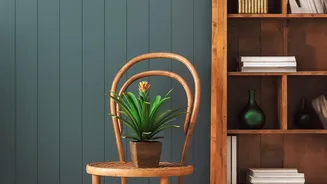
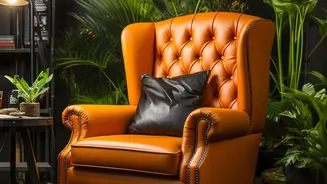
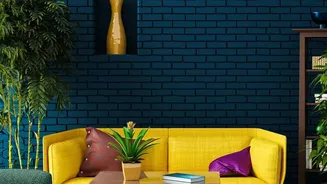
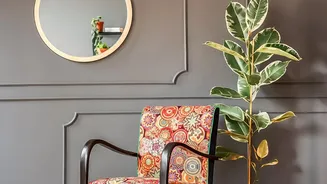
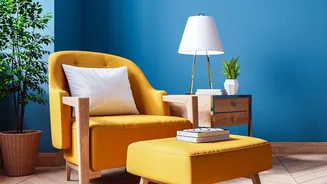
At the heart of this new approach is the 'hero' or 'statement' piece. This is a single item of furniture that acts as a focal point, anchoring the room's design and setting the tone. It could be a hand-carved swing, a brightly coloured accent chair, a vintage wooden chest, or a dining table made from solid Sheesham wood. Designers note that one or two high-quality, distinctive pieces can have more impact than a room full of coordinated but uninspired furniture. This hero piece becomes the conversation starter, the item that draws the eye and communicates a specific style, whether it's rustic, modern, or traditionally inspired.
The Social Media Effect
This trend is being powerfully fuelled by digital platforms. Nearly 80 percent of Indian home shoppers now discover products and ideas through social media. Platforms like Instagram and Pinterest have become vast visual search engines for interior design, exposing homeowners to a world of styles, from 'Japandi' minimalism to traditional Indian craftsmanship. Many now arrive at interior design discussions with saved posts and inspiration boards, seeking to replicate a specific feel rather than just fill a functional need. This constant flow of visual inspiration encourages a mix-and-match approach and gives people the confidence to experiment with bold colours, unique textures, and unconventional pieces.
A Shift Towards Individualism and Craftsmanship
The move towards individual furniture pieces is also part of a broader cultural shift. As incomes rise and global exposure increases, there's a growing desire for self-expression. A home is no longer just a place to live; it's a reflection of one's identity, travels, and values. This has sparked a renewed appreciation for local craftsmanship and artisanal goods. Homeowners are seeking out custom-made furniture and unique finds from local markets, valuing the skill and story behind a handcrafted item over a mass-produced one. This focus on quality and durability means investing in pieces that will last for decades, becoming heirlooms rather than temporary fixtures.
How the Market is Responding
Furniture retailers and artisans are adapting to this new demand. The Indian furniture market, valued at over USD 23 billion, is seeing significant growth in the custom and modular furniture segments. Brands are offering more options for personalisation, allowing customers to choose fabrics, finishes, and configurations. At the same time, there's a revival in traditional furniture making, with artisans blending age-old techniques with contemporary designs to create one-of-a-kind pieces. This evolving market empowers consumers, making it easier than ever to find furniture that is not only functional but also deeply personal.