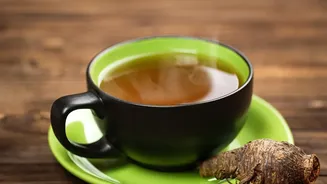




The Comfort of Steam: What It Really Does
Inhaling warm, moist air is a go-to for many people suffering from nasal congestion, and for good reason. The primary benefit of steam is its ability to provide temporary comfort. The warmth and moisture can help soothe irritated nasal passages and thin
out thick, stubborn mucus, making it easier to clear. This can create a feeling of openness and relieve some of the pressure in your sinuses. However, it's important to understand that steam is a supportive measure, not a cure. It helps manage symptoms but doesn't kill the underlying virus or bacteria causing the infection. Research confirms that while it can make you feel better, it doesn't shorten the duration of the illness itself.
Do Herbal Add-ins Make a Difference?
Many people add herbs or essential oils like eucalyptus, peppermint, or thyme to their steam, believing it boosts the decongestant effect. These botanicals release aromatic compounds that can create a powerful cooling or clearing sensation. Eucalyptus, for example, contains a compound called cineole which has been studied for its ability to help reduce mucus and inflammation. While these additions can enhance the soothing experience and make you feel like you're breathing more freely, the scientific evidence suggests their main role is providing sensory relief rather than acting as a medical treatment. The feeling of clear passages is often a subjective comfort effect, but a welcome one nonetheless.
Viral vs. Bacterial: Why It Matters for Treatment
Most sinus problems start as a viral infection, much like the common cold. These tend to resolve on their own within about a week to 10 days, and home care like steam inhalation, rest, and hydration is often sufficient. A bacterial infection, however, is different. It can develop after a viral infection lingers, allowing bacteria to multiply in the trapped mucus. Bacterial sinusitis often involves more severe symptoms, may last longer, and sometimes requires antibiotics for treatment. A key difference often comes down to timing: a viral infection typically starts to improve after 5-7 days, whereas a bacterial one may persist for 10 days or longer, or even seem to get better before suddenly getting worse.
Red Flags: When to Call a Doctor
While home care is great for mild cases, certain symptoms are clear signals that you need to seek medical attention. According to health authorities, you should consult a doctor if you experience any of the following: symptoms that last for more than 10 days without improving; a high fever that persists for more than 3-4 days; or symptoms that initially improve but then return with greater intensity. Other significant warning signs include severe headache or facial pain, swelling or redness around your eyes, vision changes like double vision, or a stiff neck. These can be signs of a more serious infection that requires prompt medical evaluation.
Beyond Acute: Understanding Chronic Sinusitis
If you find yourself battling sinus symptoms for weeks on end, you might be dealing with chronic sinusitis. This condition is defined as inflammation of the sinuses that lasts for 12 weeks or longer, despite attempts at treatment. Symptoms often include persistent nasal congestion, thick discolored discharge, facial pain or pressure, and a reduced sense of smell and taste. Unlike a simple acute infection, chronic sinusitis is a persistent condition that will not be solved by herbal steam alone. It requires a proper diagnosis from a healthcare provider, who can identify underlying causes like nasal polyps or structural issues and create a long-term management plan, which may include treatments like nasal corticosteroid sprays or saline irrigation.