




That layer of dust on your houseplant's leaves is more than a cosmetic issue. It can block sunlight and hinder photosynthesis, impacting your plant's health and growth. Keeping leaves clean is a simple but vital part of plant care.
Why Dusting Your Plants Matters
A plant's leaves are
like its solar panels. They absorb light, which is essential for photosynthesis, the process plants use to create food. When dust accumulates, it forms a barrier that reduces the amount of light the leaves can absorb. This can lead to slower growth and a weaker plant. A regular cleaning also gives you a chance to inspect your plants up close for early signs of pests like spider mites or mealybugs, which are easier to manage when caught early. Clean leaves not only look more vibrant but also function more efficiently, contributing to a healthier plant overall.
The Classic Wipe-Down Method
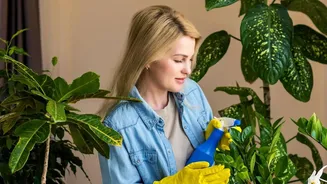
For most houseplants with large, smooth leaves like Monsteras, Fiddle Leaf Figs, and Rubber Plants, a gentle wipe with a damp cloth is the most effective method. Use a soft microfiber cloth or sponge moistened with lukewarm water. Hot or cold water can shock the plant. Support the underside of each leaf with one hand to prevent tearing, and gently wipe from the base of the leaf to the tip. Don't forget to wipe the undersides, as this is a common hiding spot for pests. For most situations, plain water is all you need to restore your plant's natural shine.
Giving Your Plants a Shower
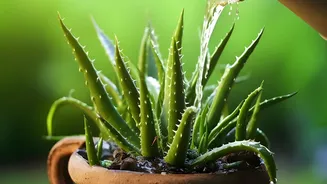
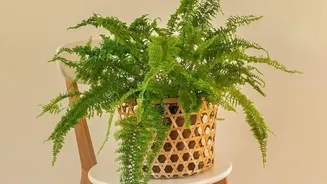
For plants with many small leaves or those that are too tedious to wipe individually, a trip to the shower can be a quick and effective cleaning solution. Use a gentle, lukewarm spray to rinse the foliage thoroughly. This method is great for ferns, palms, and pothos. If you're concerned about soil washing out, you can cover the pot with a plastic bag. After the shower, give the plant a gentle shake and let it drip dry in a spot away from direct sunlight, which could scorch the wet leaves.
Caring for Fuzzy or Delicate Leaves
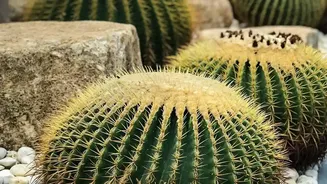
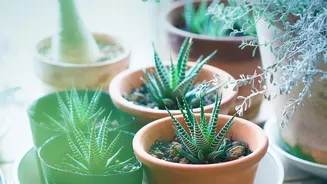
Plants with fuzzy or hairy leaves, such as African violets, require a different approach as water can get trapped in the fine hairs and cause spotting or rot. For these types of plants, it is best to use a soft, dry brush to gently sweep away dust. A small, clean paintbrush or a soft makeup brush works perfectly. Brush gently from the center of the leaf outward. This method also works well for cacti and succulents that have a protective powdery coating, which should not be wiped off.
Products and Cleaners to Avoid
While many commercial 'leaf shine' products promise a glossy finish, they often contain oils or waxes that can clog the leaf's pores, called stomata, interfering with the plant's ability to breathe. It's also best to avoid DIY remedies like mayonnaise, milk, or vinegar. These can leave a sticky residue that attracts more dust and pests, and acidic substances like vinegar can burn the leaves. A small amount of mild dish soap can be used for very stubborn grime, but it should be heavily diluted and rinsed off thoroughly, as soap can damage the protective waxy layer on leaves.