



Choosing Your Plants
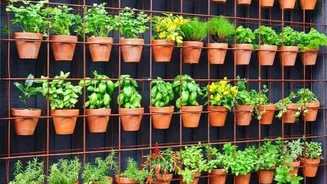
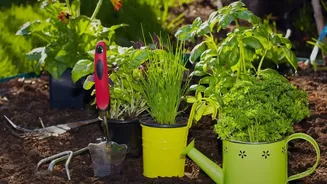
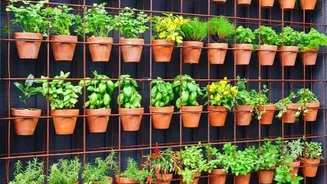
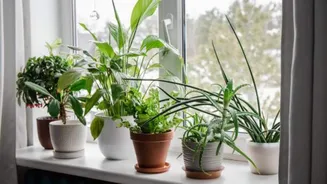
The first step is selecting plants that do well in containers. For Indian kitchens, herbs like coriander (dhania), mint (pudina), curry leaves (kadi patta), and tulsi are excellent choices. Many grow quickly and can be harvested multiple times. Small
vegetables are also great candidates. Cherry tomatoes, chillies, spinach (palak), fenugreek (methi), and brinjal thrive in pots, provided they have adequate space and sun. When starting, pick just a few varieties. It is better to successfully grow two or three plants than to become overwhelmed by too many at once.
The Right Home: Pots and Soil
Your plants' home is critical. Ensure every pot has drainage holes at the bottom to prevent water from stagnating, which can cause root rot. Terracotta pots are breathable, but plastic ones retain moisture longer, which can be useful in hot summers. The ideal soil for pots is not just garden soil, which compacts easily. A good potting mix provides drainage, aeration, and nutrients. A popular and effective mix for Indian conditions is a blend of garden soil, compost or vermicompost, and cocopeat. A common starting ratio is 40% soil, 30% compost, and 30% cocopeat. This creates a medium that holds moisture without becoming waterlogged and provides essential nutrients.
Sunlight: The Source of Energy
Sunlight is plant food. Before you start, observe your balcony to understand how much direct sun it gets. Most vegetable plants, especially fruiting ones like tomatoes and chillies, need at least five to six hours of direct sunlight to be productive. East-facing balconies that receive gentle morning sun are perfect for herbs and leafy greens like spinach. South and west-facing balconies often get more intense, prolonged sun, ideal for sun-loving plants but requiring more attention to watering. A north-facing balcony with less direct sun is better suited for shade-tolerant plants.
Watering Wisely
Overwatering is one of the most common mistakes in container gardening. Instead of following a rigid schedule, check the soil first. A simple 'finger test' works best: insert your finger about an inch or two into the soil. If it feels dry, it's time to water. If it feels moist, wait another day. Plants in balcony pots dry out faster than those in the ground, especially during hot and windy days, and may need daily watering in peak summer. When you do water, do it thoroughly until water runs out of the drainage holes. This encourages roots to grow deep into the pot.
Feeding Your Greens
The nutrients in your initial potting mix will eventually be used up by the growing plants. To keep them healthy and productive, you’ll need to replenish these nutrients. You can 'top-dress' your pots every few weeks by adding a layer of compost or vermicompost to the topsoil. Liquid fertilisers, such as seaweed solution or diluted compost tea, can also be applied every 15-20 days during the growing season. For fruiting vegetables like tomatoes, adding amendments like bone meal at the time of planting can provide a slow-release source of phosphorus for strong roots.
Keeping Pests at Bay
Healthy plants are less susceptible to pests. Ensure good air circulation and avoid overwatering to prevent fungal issues. For common pests like aphids and spider mites, a simple spray of neem oil mixed with water and a mild liquid soap is a highly effective organic solution. You can also physically remove pests with a strong jet of water. Regularly inspect your plants, especially the undersides of leaves, to catch any infestations early. Starting with healthy plants from a reliable nursery is a great first line of defence.