







The Forecast: A Dry End to the Season
The India Meteorological Department (IMD) has predicted that rainfall for September 2026 is likely to be below normal for the country as a whole. After a season marked by uneven distribution, with a significant deficit of 14% by the end of August, this
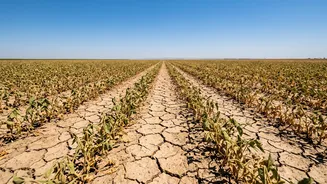
final leg is crucial. The forecast suggests that rainfall could be less than 91% of the long-term average for the month. This is largely attributed to strengthening El Niño conditions in the Pacific Ocean, which typically weaken monsoon winds and lead to drier weather in India. While some parts of the country might still see normal rain, the overall picture points towards a moisture deficit at a critical time.
Why September's Rain Is So Critical
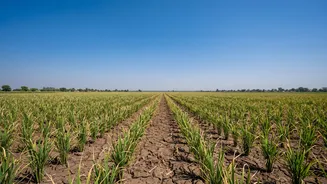
September is not just another rainy month; it is vital for the Kharif (summer-sown) crops that are in their final stages of growth. Adequate rainfall during this period is essential for grain filling and maturation, which directly determines the yield. Beyond helping the standing crops, September rains are crucial for replenishing soil moisture ahead of the Rabi (winter-sown) crop season. A significant shortfall can therefore have a cascading effect, hurting not only the current harvest but also impacting the foundation for the next planting cycle. Furthermore, the monsoon is the primary source for refilling India's reservoirs, and a weak finish could strain water availability for irrigation, hydropower, and drinking water through the winter.
Which Crops Are Most Vulnerable?
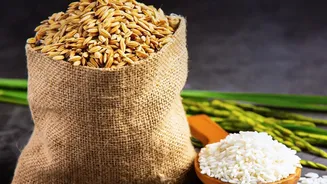
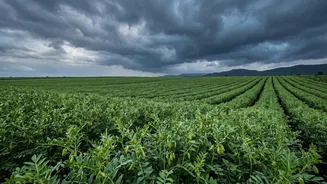
Several key crops in India's food basket are at risk from a prolonged dry spell. Rice, the main Kharif staple, is particularly vulnerable. Sowing of paddy was already trailing last year's figures as of late August due to patchy rains in key growing states. Other major crops feeling the pressure include sugarcane, soybeans, corn, and pulses. Deficits in soil moisture could hurt the yields of these rain-dependent crops. The USDA's Foreign Agricultural Service has already projected potential cuts to India's rice and corn production for the year due to the weak monsoon. Even though sowing for most crops is largely complete, the final yield now depends heavily on how the last few weeks of the monsoon play out.
The Ripple Effect on Your Wallet
The agricultural outlook has a direct link to household budgets across the nation. A weaker-than-expected harvest tightens the supply of essential commodities, which often leads to higher food prices. Signs of food inflation were already visible in July, with prices rising 5.5% year-on-year, the highest level in 2026. Items like ginger, garlic, and onions have seen sharp price increases. Concerns over the harvest have already prompted policy action, with the government allowing duty-free sugar imports to ease domestic shortages. If the September forecast holds true, consumers could face sustained pressure on food bills, while farmers grapple with lower yields and potentially higher costs for irrigation to save their standing crops.
Watching the Skies and the Markets
For now, the country is in a wait-and-watch mode. While the national forecast points to a deficit, the actual impact will depend on the regional distribution of the remaining rainfall. Some experts point out that while the overall harvest may be affected, India has record carryover stocks of grains like rice from previous years, which could provide a buffer against a severe shortage. However, the unevenness of the monsoon remains the biggest concern. Key agricultural belts in the west and south are facing moisture stress, and even areas that received heavy rain earlier are now looking to the skies. All eyes are on the final weeks of September to see if late showers can salvage yields or if the dry spell will confirm fears of a strained harvest and rising inflation.