





What Exactly Are Compression Cubes?
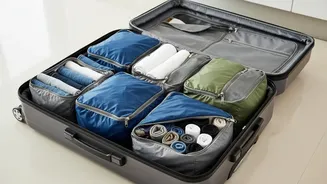
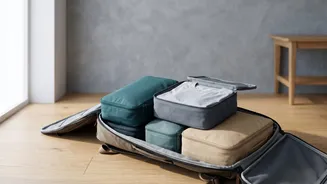
At first glance, compression packing cubes look like regular packing cubes: small, fabric pouches used to organise clothes inside a suitcase. The key difference is an extra zipper. You fill the cube with clothes, close the main zipper, and then close a second
compression zipper that runs around the outside. This secondary zip squeezes the cube, forcing out excess air and reducing the overall volume of the contents. They are specifically designed to make soft, bulky items like sweaters, jackets, and t-shirts more compact. This simple mechanism is what separates them from standard packing cubes, which are purely for organisation.
The Critical Truth: They Reduce Volume, Not Weight
Here is the most important fact to understand: compression cubes do not make your clothes lighter. A 5 kg pile of sweaters will still weigh 5 kg after it has been compressed. The laws of physics are non-negotiable, and airline scales are unforgiving. The headline promise of staying under weight restrictions can be misleading if you're not careful. The primary function of a compression cube is to solve a space problem, not a weight one. Where they become a powerful tool is in how managing space more effectively can indirectly help you manage weight.
How Saving Space Helps You Beat Weight Limits
So, how does a smaller bag help with weight? First, by compressing your clothes, you might be able to fit everything into a carry-on instead of a larger checked bag. In India, most domestic airlines like IndiGo and SpiceJet have a carry-on limit of around 7 kg and a checked baggage limit starting at 15 kg. By using a smaller, lighter carry-on bag, you start with a lower base weight, giving you more capacity for your actual belongings before hitting the 7 kg ceiling. Second, efficient packing prevents you from overpacking. When your bag is neatly organised and space is optimised, you are less likely to throw in last-minute, heavy items. The compact nature of the cubes can, however, be deceptive. Because you can fit more in, it's easy to accidentally create a carry-on that is small but shockingly heavy.
Best Practices for Using Compression Cubes
To get the most out of your cubes, follow a few simple rules. Rolling your clothes before placing them in the cube is a popular method that can maximise space and help reduce some wrinkles. Don't overfill a single cube; the compression zipper works best when it's not under extreme strain. For bulky items like jackets, folding them flat might work better than rolling. A crucial tip is to distribute weight intelligently. Don't put all your heavy items, like jeans and hoodies, into one cube. Instead, spread them across different cubes and arrange them in your suitcase to keep the bag balanced. It’s also wise to keep one cube for miscellaneous items or for separating dirty laundry during your trip.
Choosing the Right Cubes and Avoiding Pitfalls
When buying compression cubes, look for durable materials like ripstop nylon and, most importantly, high-quality zippers, as this is the part that will be under the most stress. Sets with multiple sizes are generally the most useful, allowing you to pack different types of clothing more effectively. Be aware of the main downside: compressing clothes tightly can lead to more wrinkles, especially with fabrics like linen. The biggest pitfall, however, remains weight. The ability to pack more into a small space is a double-edged sword. To avoid a costly surprise at the airport, the single most important accessory to pair with your compression cubes is a simple, inexpensive luggage scale. Always weigh your packed bag before you leave home.