
What Exactly Happened?
On October 14, Air India flight AI2030, a Boeing 787 carrying 306 people from Frankfurt to Delhi, was ordered to divert to Jaipur. The reason was a 'Squawk 7500' alert received by Air Traffic Control (ATC) — an internationally recognised code for unlawful
interference or hijacking. Upon landing in Jaipur, the aircraft was moved to an isolation bay, and all passengers and crew underwent security checks as per protocol before being cleared to continue to Delhi. While the crew on board reported normal operations throughout, the trigger for the serious alert remained a mystery, prompting an immediate investigation by the Directorate General of Civil Aviation (DGCA).
A Ghost in the Machine
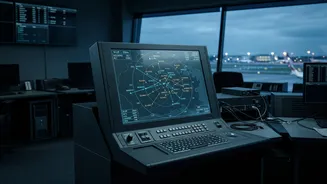
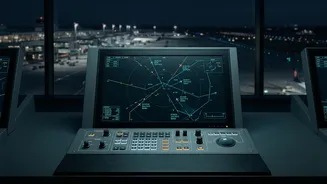
Attention has quickly turned to a potential technology failure. Specifically, a newly installed ATC radar system in Mumbai is under scrutiny. According to multiple reports, the pilots of AI2030 have maintained they did not enter the 7500 hijack code. Entering this code is a deliberate, multi-step process, with senior pilots calling an accidental input a 'one in a trillion' chance. This has led investigators to focus on the possibility that the ground-based system erroneously generated the alert. The probe is examining whether a software malfunction or a radar glitch created a false signal that was interpreted as a hijack code, setting off the entire security response.
Understanding Transponder Codes
To understand how this could happen, it helps to know about transponders. A transponder is a device on an aircraft that communicates with ground-based radar. When it receives a signal from ATC, it replies with a four-digit 'squawk' code. This code allows controllers to identify planes on their crowded screens. While most codes are for routine identification, a few are reserved for emergencies: 7500 for hijacking, 7600 for a loss of communications, and 7700 for a general emergency. When an emergency code like 7500 is detected, it immediately changes the aircraft's appearance on the controller's screen, often turning it red and sounding an alarm, triggering an urgent response.
Safety Protocols and Human Judgment
Even with the pilots reporting normal conditions, ATC instructed the plane to divert. This might seem strange, but it highlights the rigid safety protocols that govern aviation. An electronic 7500 alert cannot be ignored, as the consequences of dismissing a real threat are catastrophic. The procedure mandates treating the threat as real until proven otherwise. Controllers and pilots followed the established playbook, diverting the aircraft for a thorough on-ground inspection to ensure the safety of everyone on board. The incident, while disruptive, shows that the procedural safety net worked, prioritising caution over convenience even when technology might have failed.
Are Our Skies Still Safe?
An incident like this understandably raises questions about the reliability of aviation technology. However, it's also a reminder of the multiple layers of safety built into the system. The communication between the pilots and ATC, the adherence to security protocols, and the subsequent investigation all function as checks and balances. The DGCA's ongoing probe is critical; it will analyse aircraft and ATC logs to pinpoint the source of the erroneous alert. Identifying whether it was a bug in the new radar system, a data processing error, or another unforeseen technical issue will be crucial in preventing a recurrence and reinforcing the robustness of India's air traffic management infrastructure.