



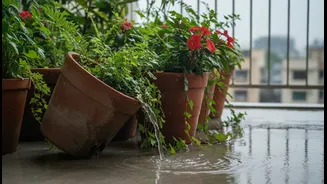


Watering on a Fixed Schedule
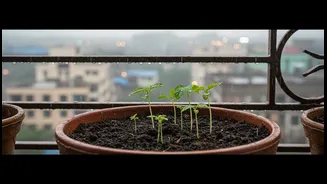
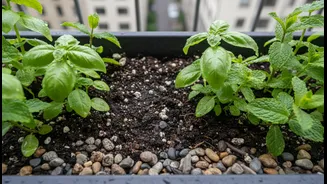
The most common mistake is continuing your summer watering routine. During the monsoon, frequent rains and high humidity mean soil stays moist for much longer. Watering your plants daily out of habit is the fastest way to cause root rot, a condition where
roots suffocate and decay due to a lack of oxygen in waterlogged soil. The earliest signs often include yellowing leaves and a musty smell from the pot. Instead of a fixed schedule, always check the soil first. The 'finger test' is your best friend: insert your finger about two inches into the soil. If it feels damp, your plant does not need more water.
Ignoring Poor Drainage
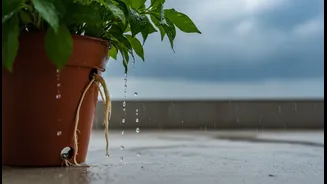
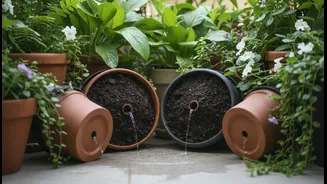
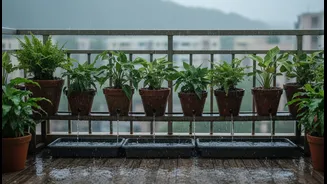
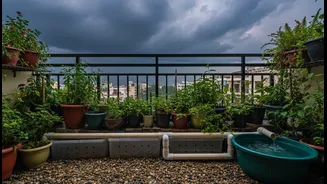
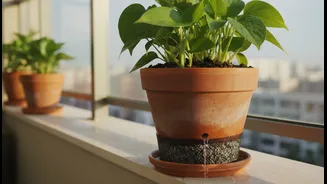
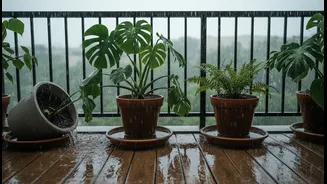
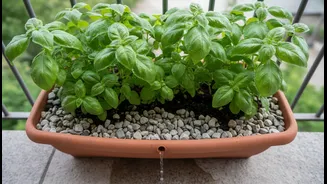
Proper drainage is non-negotiable during the rains. Many gardeners unknowingly let drainage holes at the bottom of pots get clogged with compacted soil. Another frequent error is leaving pots sitting in decorative saucers that collect rainwater. When a pot stands in stagnant water, its roots are constantly submerged, leading to inevitable rot. To prevent this, ensure every pot has clear drainage holes. Elevating your pots on bricks, small stands, or 'pot feet' allows excess water to escape freely and lets air circulate underneath. After a heavy downpour, make it a habit to empty any water collected in trays.
Overlooking Pests and Fungi
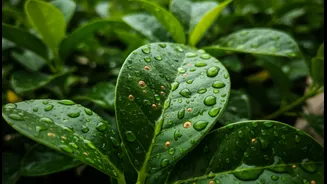
The warm, wet, and humid monsoon weather creates a perfect breeding ground for pests and fungal diseases like powdery mildew and leaf spot. Issues that were minor in the dry season can explode into major infestations. Many gardeners relax their vigilance, assuming the rain washes everything clean, but the opposite is true. Pests like aphids, mealybugs, and snails multiply rapidly in these conditions. Get into the habit of inspecting your plants regularly, paying close attention to the undersides of leaves. Good air circulation is key, so avoid crowding your plants. For prevention, a simple spray of neem oil solution can work wonders against both pests and fungi.
Fertilizing Too Much or Too Often
Plants generally slow their growth during the cloudy, low-light days of the monsoon. Because they are not photosynthesizing as actively, they don’t require as many nutrients. Continuing a heavy fertilizing schedule from summer can do more harm than good, leading to fertilizer 'burn' on the roots. A surplus of nutrients in wet soil can become toxic. It's best to reduce both the frequency and the strength of your fertilizer during the rainy season. A diluted feed once a month is often sufficient for most balcony plants until the sunny days return.
Leaving Delicate Plants Exposed
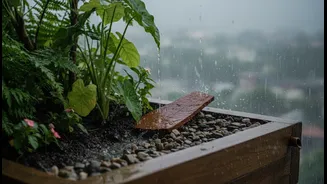
Not all plants are built to withstand the force of heavy monsoon downpours and strong winds. Delicate flowering plants, succulents, and those with large, soft leaves can be physically damaged by intense rain. Succulents, in particular, are prone to rotting with excessive water. While it may seem like a hassle, moving more sensitive plants to a sheltered part of the balcony—under an overhang or closer to the wall—can save them from being battered or waterlogged. If you don't have a sheltered area, you can create temporary shields using shade nets.
Crowding Plants Together
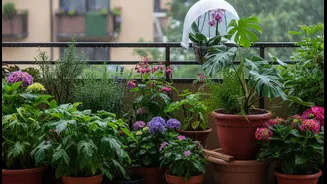
A lush, jungle-like look is tempting, but overcrowding plants on a monsoon balcony is a recipe for disaster. When pots are packed too tightly, air cannot circulate between them. This traps moisture on the leaves and soil surface, creating an ideal environment for fungal diseases to take hold and spread rapidly from one plant to another. Ensure there is enough space between your pots for air to move freely. This helps the foliage dry faster after a rain shower. Regular pruning to remove dead or excess leaves also improves airflow and overall plant health.