





The Antidote to Rushed Tourism
Slow travel is more than a trend; it's a mindset. It is a conscious choice to experience a destination deeply rather than rushing through a list of attractions. This philosophy has its roots in the Slow Food movement, which began in Italy in the 1980s
as a response to the rise of fast food. Just as slow food champions local culinary traditions, slow travel encourages a more meaningful connection with a place and its people. It’s about quality over quantity, prioritising intentional and immersive experiences where you can pace yourself and eliminate the stress of rushing around. Instead of visiting three cities in three days, a slow traveller might spend the entire time exploring one, allowing moments of spontaneous discovery to unfold naturally.
Tasting the True Culture
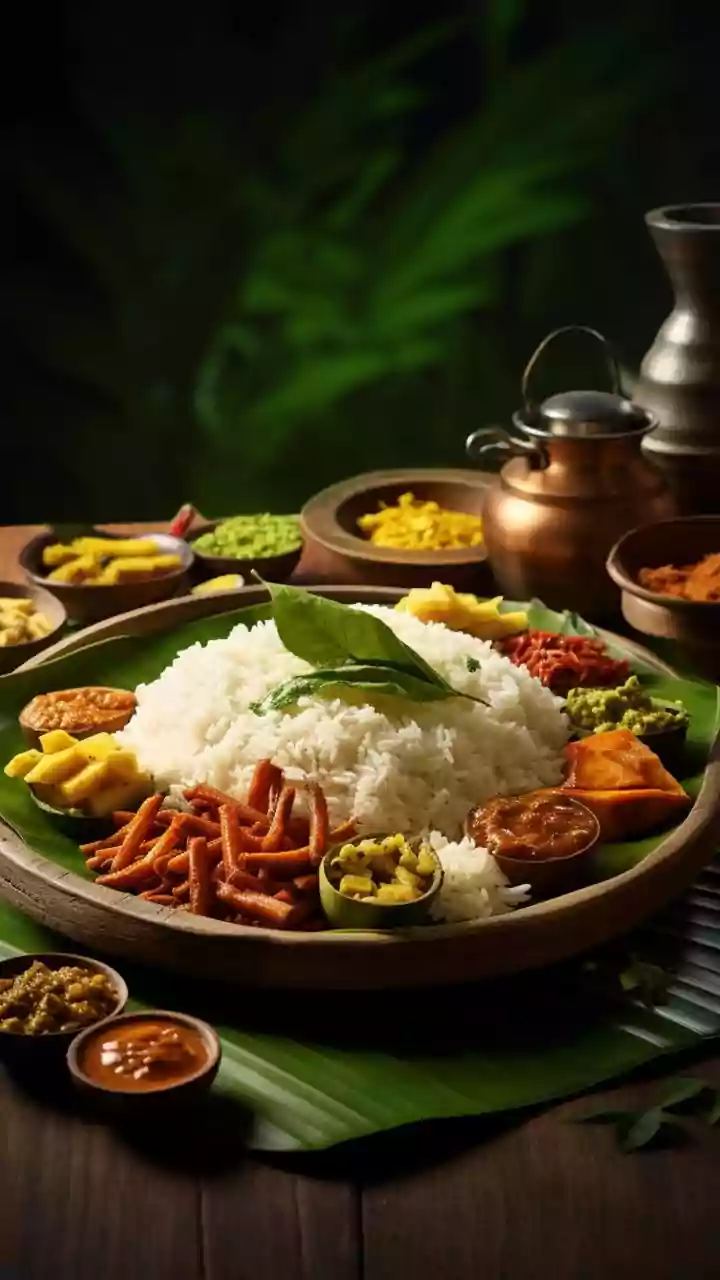
One of the most powerful ways to connect with a new place is through its food. Culinary tourism goes beyond just eating; it's about immersing yourself in a culture's flavours, traditions, and history. A single dish can tell the story of a region's geography, trade routes, and social customs, passed down through generations. Seeking out local food is a direct path to the heart of a community. It means choosing a family-run restaurant over a global chain, visiting a bustling morning market to see what’s in season, or trying a street food delicacy that locals line up for. These are not just meals; they are authentic cultural experiences.
A Plate Full of Stories
When you choose local food, you are engaging with an entire ecosystem. You support small-scale farmers, independent restaurateurs, and artisans who keep culinary traditions alive. Attending a cooking class, for instance, allows you to learn the stories behind recipes and ingredients. A local chef might explain how a particular spice came to the region or why a certain dish is served during a specific festival. These interactions provide a richer understanding than any guidebook could offer. By engaging with food at its source, you move from being a passive observer to an active participant in the local culture, creating memories that engage all the senses.
Walking at the Pace of Life
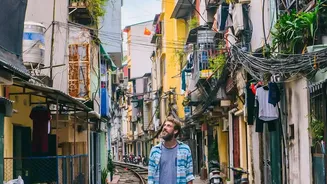
Equally important to the slow travel ethos is exploring on foot. When we abandon cars and tour buses, our perspective changes entirely. Walking encourages a natural pace, allowing us to absorb the details we would otherwise miss: the intricate design of a doorway, the smell of a neighbourhood bakery, or the sound of children playing in a hidden courtyard. It helps build a mental map of a place, fostering a sense of orientation and connection that faster modes of transport simply cannot provide. Walking is the best way to discover the things that don't appear in travel guides but give a city its unique character.
Discovering the Unseen City
Neighbourhood walks lead to spontaneous discoveries and genuine interactions. A conversation with a shop owner, a recommendation from a local at a coffee shop, or simply getting lost on a charming side street can become the most cherished memory of a trip. This kind of exploration stimulates our minds, heightening our awareness of the environment around us. Walkable cities and neighbourhoods are often more vibrant and full of character, offering a unique sense of place that attracts visitors seeking authenticity. By choosing to wander without a strict itinerary, you give yourself the freedom to truly see, hear, and feel the rhythm of daily life.