





The Soothing Science of Steam
Steam inhalation is one of the most common home remedies for respiratory discomfort. The principle is simple: breathing in warm, moist air helps to hydrate and soothe irritated airways. This moisture can thin out thick, stubborn mucus that has collected
in your nasal passages and sinuses, making it easier to clear. As the mucus loosens and drainage improves, the uncomfortable pressure in your head can ease, providing temporary but welcome relief from congestion. For many, it’s a go-to method because it’s accessible, inexpensive, and feels comforting when you're under the weather.
Why Add Herbs to the Mix?
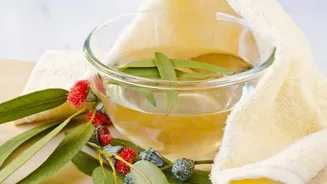
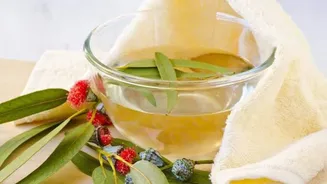
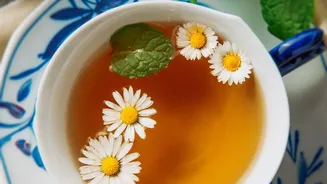
Adding herbs like eucalyptus, peppermint, chamomile, or thyme to the steam is a practice rooted in tradition. Many of these botanicals are believed to have therapeutic properties, such as being anti-inflammatory, antimicrobial, or acting as decongestants. The essential oils released from the herbs into the steam are inhaled, with the goal of enhancing the steam's effects. For instance, the menthol in peppermint is known for its cooling sensation that can make airways feel more open, while chamomile is often used for its calming properties. This aromatic boost turns a simple steam session into a more holistic wellness ritual.
The Hidden Risk of Irritation
Despite the pleasant aroma, adding herbs or essential oils isn't always beneficial. The same potent compounds that give herbs their scent can be irritating to the sensitive mucous membranes lining your nose, throat, and lungs. For individuals with allergies, asthma, or generally sensitive airways, this can be a significant problem. Instead of soothing, the herbal vapours can trigger inflammation, coughing, or even worsen breathing difficulties. Some people may experience redness, itching, or dryness in their nasal passages. While many people use herbal steam without issue, it's a reminder that 'natural' doesn't automatically mean 'harmless' for everyone.
A Serious Caution: The Danger of Burns
The most immediate and serious danger associated with traditional steam inhalation has nothing to do with herbs—it’s the risk of severe scalds. Using a bowl of hot water creates a significant hazard, especially in households with children. Spilling the bowl can cause devastating burns to the lap, chest, or other body parts. Studies have documented numerous cases of hospital admissions, particularly for children, resulting from accidents during steam inhalation. Even direct contact with steam that is too hot can burn the delicate tissues of the face and airways. For this reason, many healthcare professionals now actively discourage the bowl-and-towel method, recommending safer alternatives.
How to Steam Safely (If You Choose To)
If you still want to try steam inhalation, safety must be your top priority. First, never use boiling water; let it cool slightly so the steam is warm, not scalding. Position your face at a comfortable distance—at least 12 inches away from the water—to avoid burns. Keep sessions short, around 5 to 10 minutes. A much safer alternative to a bowl is to sit in a bathroom while a hot shower runs, filling the room with gentle, ambient steam. If you're considering adding herbs, start with a very small amount to see how your body reacts. If you experience any irritation, dizziness, or difficulty breathing, stop immediately.
Proven Alternatives for Sinus Relief
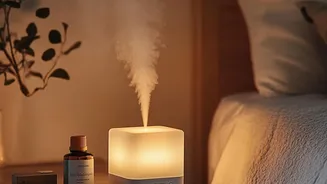
While steam provides temporary comfort, research suggests other methods may be more effective for sinus symptoms. Nasal saline irrigation, using a neti pot or rinse bottle, is well-supported by evidence for its ability to flush out mucus and allergens. Staying well-hydrated by drinking plenty of fluids helps keep mucus thin from the inside out. Using a humidifier in your room can also add moisture to the air, especially in dry winter months, soothing your airways as you sleep. For persistent or severe sinus issues, these methods, sometimes in combination with medical advice, often provide more reliable and safer relief than steam.