








The weekly grocery run often involves navigating a maze of health claims on food packets. Soon, a simple, mandatory warning label proposed by Indian regulators could cut through the noise, making healthy choices easier than ever.
What Are These New Warnings?
The Food Safety and Standards
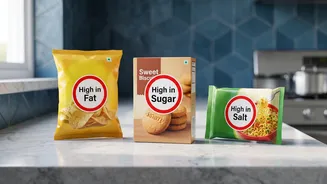
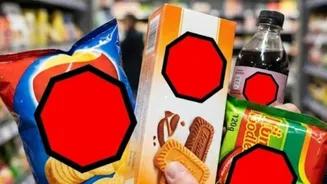
Authority of India (FSSAI) has proposed a new system of front-of-pack nutrition labelling (FOPL) to simplify how we understand packaged foods. Instead of searching for tiny text on the back, shoppers will see a clear, unmissable symbol on the front of products high in salt, sugar, or fat. The proposed design is a red hexagon with a white background, prominently displaying which nutrients exceed recommended levels. This system aims to give consumers a quick, at-a-glance understanding of a product's nutritional profile right at the point of purchase.
Decoding the Red Hexagon
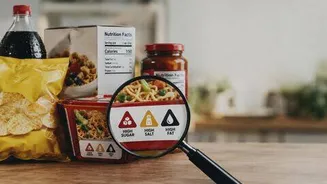
The new warning label is designed for simplicity. If a product is high in a specific nutrient, the hexagon will clearly state it with text like “HIGH SUGAR,” “HIGH FAT,” or “HIGH SALT”. Under the latest proposal submitted to the Supreme Court, a warning could be triggered even if a product crosses the threshold for just one of these nutrients. If a product is high in multiple nutrients, they will all be listed within the same red hexagon. The FSSAI has also proposed a separate declaration, “CONTAINS NON CALORIC SWEETENER,” for products with artificial sweeteners. This direct approach replaces earlier discussions about a more complex 'Health Star Rating' system.
Why This Change Matters for Your Health
The push for these labels is rooted in public health. With a rising incidence of diet-related non-communicable diseases in India, helping consumers make healthier choices is a national priority. High consumption of foods laden with sugar, salt, and unhealthy fats is a significant risk factor. The current nutrition panels on the back of packs are often complex and written in small print, making them difficult for busy shoppers to use. By placing a simple, visual warning on the front, the goal is to break through marketing claims like “natural” or “multigrain” and provide clear, factual information that can empower consumers to better manage their health and the health of their families.
How to Use the Labels While Shopping
When these labels appear in stores, they become a powerful tool. The most immediate use is for comparison. When choosing between two similar products, like breakfast cereals or snacks, a quick glance can tell you if one has a high-sugar warning while the other does not. This allows for an instant, healthier swap. For families, the labels can guide meal planning and help in selecting lower-salt or lower-sugar options for children. A parent packing a tiffin can quickly identify which snacks contribute less to the daily quota of unhealthy nutrients. The key is to use the label as a quick filter. See the red hexagon? Pause and consider if there's a better alternative available.
A Tool, Not a Rulebook
It's important to remember that these front-of-pack warnings are a guide, not a complete diet plan. A food without a warning isn't automatically a superfood, and a product with a warning can still be enjoyed occasionally as part of a balanced diet. The labels are designed to highlight specific nutrients of concern, but they don't replace the need to read the full ingredient list and nutrition panel for a complete picture. For example, you should still check for whole grains, fibre content, and protein. The new warnings are simply one more powerful piece of information, helping you to make a more informed, conscious decision in the few seconds you have in the supermarket aisle.