






Prepare Your Canvas: Soil and Beds
A successful winter garden starts with healthy soil. As the monsoon ends, it's time to clear out spent summer plants and weeds. These old plants can harbour pests and diseases, so removing them is a crucial first step. Loosen the soil in your pots or
garden beds to improve aeration, which is vital for root health. This is also the ideal moment to enrich your soil. Mix in a generous amount of organic matter like compost or well-rotted cow dung manure. This not only provides essential nutrients but also improves soil texture and drainage, preventing waterlogging during winter. For pots, a reliable mix is garden soil, cocopeat, and compost. Ensure all your containers have drainage holes to prevent roots from rotting in the slowly drying winter soil.
For Festive Blooms: Marigolds
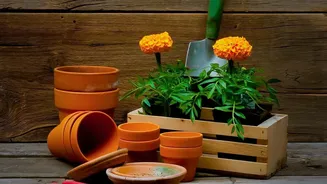
Marigolds, or 'Genda', are staples of Indian gardens, especially with festival season around the corner. October is an excellent time to sow marigold seeds in most parts of India. They thrive in full sun, needing at least 6 to 8 hours of direct sunlight for prolific blooms. Sow seeds about half an inch deep in well-draining soil. While they are not fussy, enriching the soil with some compost will give you better results. Water when the top layer of soil feels dry, but avoid waterlogging, which can lead to root rot. To encourage a bushier plant and more flowers, pinch off the tips of young plants once they are a few inches tall. Regularly removing spent or dried flowers, a practice known as deadheading, will also promote continuous blooming through the season.
Caring for Chrysanthemums (Guldaudi)
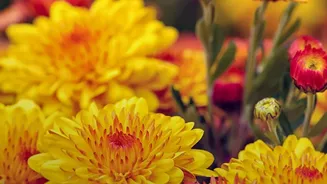
Chrysanthemums, known as 'Guldaudi', are the stars of the winter garden, and their main blooming season is from October to February in India. These plants are heavy feeders and require nutrient-rich soil to produce their dense clusters of flowers. They love sunshine, so place them where they can receive 5 to 6 hours of direct sunlight, preferably the morning sun. Proper watering is key; water at the base of the plant when the top inch of soil feels dry. Overwatering is a common mistake and can lead to yellowing leaves and root rot. For bushy growth and maximum blooms, pinch off the growing tips every few weeks until mid-November. As buds begin to form, switch to a potassium-rich fertiliser to support flowering, but avoid high-nitrogen feeds which only encourage leafy growth.
Sowing Organic Winter Spinach (Palak)
Homegrown spinach is a delight, and winter is the perfect time to grow it. In most parts of India, spinach can be sown from October onwards as it prefers cool temperatures between 10°C and 25°C. Spinach is one of the easiest winter vegetables for beginners. For container gardening, choose a pot that is at least 6-8 inches deep and has good drainage. Sow the seeds directly into loose, well-drained soil enriched with compost, about half an inch deep. There is no need to soak the seeds beforehand. Keep the soil consistently moist but not wet; watering every 2-3 days is usually sufficient in winter. The plants will need about 3 to 5 hours of daily sunlight. You can start harvesting tender leaves in as little as 25 to 40 days.
Your General October Checklist
Beyond these featured plants, October is the primary sowing month for a wide variety of cool-season crops. This is your chance to plant other winter favourites directly into pots or beds. Consider sowing seeds for leafy greens like coriander (dhania) and fenugreek (methi), and root vegetables like carrots, radishes, and beetroot. For vegetables like cauliflower, cabbage, and broccoli, you can start seeds in trays now for transplanting later. It's also a great time to plant winter flowering annuals such as petunia, dianthus, and calendula to ensure a colourful display through the colder months. As you plant, continue to water new seedlings gently and monitor for pests. A weekly check can help you catch any issues early.