


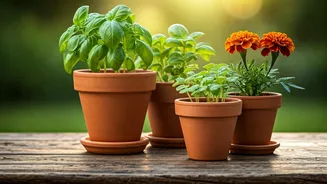



Why the Monsoon is Perfect for Balcony Gardening
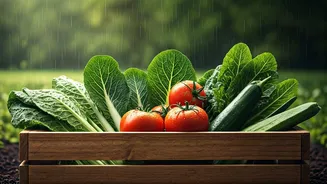
Many people assume the heavy rains and cloudy skies of the monsoon are bad for plants. While there are challenges, the rainy season offers distinct advantages for a budding kitchen gardener. The ambient humidity is great for seed germination and plant growth,
reducing the need for constant watering. The cooler temperatures are less stressful for many vegetable varieties compared to the harsh summer heat. With a bit of planning around pot drainage and sunlight, the monsoon can yield a surprisingly bountiful harvest right on your balcony.
1. Lady's Finger (Bhindi)
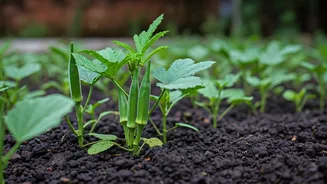
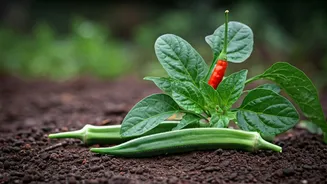
A staple in Indian kitchens, Bhindi thrives in the warm and humid conditions of the monsoon. It's a relatively easy-to-grow, low-maintenance plant perfect for beginners. Plant the seeds in a medium-to-large pot (at least 10-12 inches deep) with well-draining soil. Bhindi plants love the sun, so place them in a spot on your balcony that receives at least 4-5 hours of direct sunlight. Ensure your pot has plenty of drainage holes to prevent the roots from rotting in the heavy rain. You can expect to start harvesting in about 50-60 days.
2. Tomatoes (Tamatar)
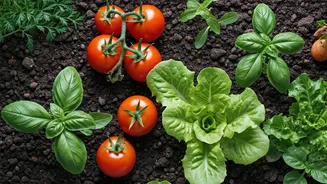
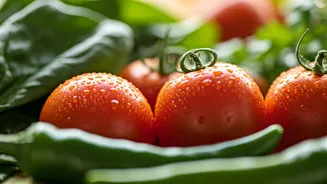
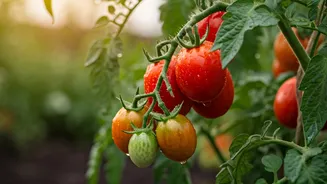
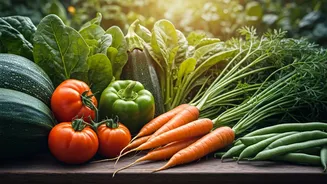
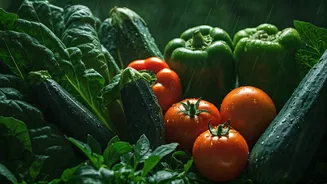
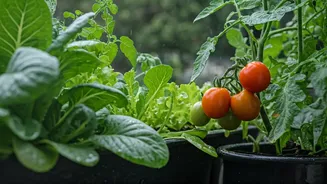
Fresh, juicy tomatoes from your own garden are a delight. Choose a determinate (bush) variety, as they are more compact and manageable for balcony pots. While tomatoes love sun, the monsoon sun is less harsh, which they appreciate. Use a large pot and provide a stake or a small trellis for support as the plant grows and starts to bear fruit. Protect the plant from heavy, direct downpours if possible, as this can sometimes damage the flowers or fruit. Proper drainage is absolutely critical for tomatoes.
3. Chillies (Mirch)
No Indian home is complete without a steady supply of chillies. Chilli plants are hardy and grow exceptionally well in containers during the monsoon. They require good sunlight but can tolerate the partial shade of cloudy days. A 7-10 inch pot is sufficient for a single plant. Use a well-draining soil mix rich in organic matter. Be mindful not to overwater; let the top inch of the soil dry out before watering again, as the monsoon humidity already provides a lot of moisture. You'll have a continuous supply of fresh chillies for your curries and tadkas.
4. Spinach (Palak)
Leafy greens like spinach grow quickly and are perfect for the monsoon. They don't require intense sunlight and can thrive in the cooler, overcast conditions. You can grow spinach in wide, shallow containers or rectangular planters. Sow the seeds directly into the soil and you should be able to start harvesting tender leaves in just 30-40 days. The ‘cut-and-come-again’ method works wonderfully with spinach—just trim the outer leaves and the plant will continue to produce more.
5. Coriander (Dhania)
Fresh coriander is essential for garnishing, and it grows incredibly fast in the monsoon. It prefers cooler weather and doesn't need much sunlight, making it an ideal choice for this season. Use a wide, shallow pot with excellent drainage. Crush the seeds gently before sowing to improve germination rates. Keep the soil consistently moist but not waterlogged. In a few weeks, you'll be able to snip off fresh leaves as needed. For a continuous supply, sow a new batch of seeds every two to three weeks.
Essential Monsoon Care Tips
To ensure your balcony garden thrives, keep these key points in mind. First, drainage is non-negotiable. Ensure every pot has multiple drainage holes. It's also wise to place pots on stands to prevent them from sitting in puddles. Use a light, well-draining potting mix—a combination of soil, cocopeat, and compost is ideal. Finally, keep an eye out for pests like aphids and slugs, which are more common in the damp weather. A simple spray of neem oil solution is an effective organic deterrent.