





Aim for Consistency, Not Perfection
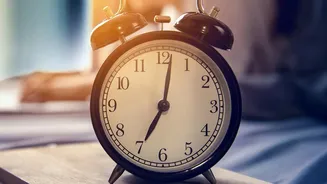
The golden rule of healthy sleep is maintaining a consistent schedule, even on weekends. Your body's internal clock, or circadian rhythm, thrives on routine. During a festive period, however, sticking to a rigid 10 PM bedtime might be unrealistic. Instead
of abandoning your schedule entirely, aim to keep your bedtime and wake-up time within a reasonable window. If your usual bedtime is 11 PM, try to be in bed by 12:30 AM at the latest, even after a party. More importantly, try to wake up at your regular time the next morning. Sleeping in might feel good momentarily, but it can make it harder to fall asleep the following night, creating a cycle of sleep disruption.
Use Naps Strategically
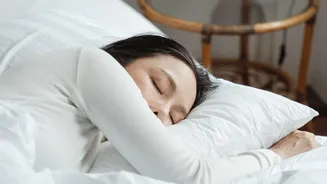
When a late night is unavoidable, a well-timed nap can be your best friend for managing sleep debt. However, the length and timing are crucial. A short 'power nap' of 20-30 minutes is ideal for boosting alertness without making you feel groggy or interfering with nighttime sleep. The best time for a nap is typically in the early afternoon, about seven to eight hours after you wake up. Napping too late in the day can make it difficult to fall asleep at your regular bedtime. Think of it as a small deposit back into your sleep bank, helping you function better until you can have a full night's rest.
Be Mindful of What You Eat and Drink
Festive foods and celebratory drinks are part of the fun, but they can significantly disrupt sleep. Heavy, spicy, or high-fat meals eaten late at night can cause indigestion and heartburn, making it difficult to rest comfortably. Try to have your main meal at least three hours before you plan to sleep. Alcohol is another common culprit. While it might make you feel drowsy initially, it leads to fragmented sleep in the second half of the night and suppresses restorative REM sleep. Similarly, be wary of hidden caffeine in desserts like chocolate or certain soft drinks, as its stimulating effects can last for hours.
Create a Restful Wind-Down Routine
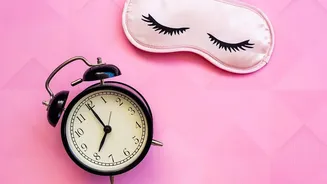
After the high energy of a party, it’s important to signal to your body that it’s time to wind down. Even a short 20-30 minute routine can be effective. Avoid scrolling through your phone, as the blue light from screens suppresses the sleep hormone melatonin. Instead, try some gentle stretching, listening to calming music, or reading a book. Taking a warm bath can also help. The subsequent drop in body temperature after you get out promotes sleepiness. This quiet transition period helps you shift from a state of high alert to one of relaxation, making it easier to fall asleep.
Get Back on Track Quickly
One or two late nights won't ruin your sleep health if you get back to your routine promptly. Don't stress about a single night of poor sleep; worrying can make it harder to rest the following night. The next day, prioritise getting natural sunlight in the morning. Light is the most powerful signal for resetting your body's internal clock. It helps reinforce your sleep-wake cycle and tells your brain that the day has begun. Avoid the temptation to have a long lie-in, and instead focus on getting to bed at your regular time the next night to repay your sleep debt.