
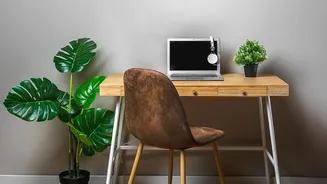
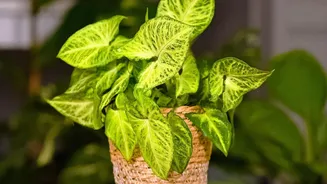
The Science Behind a Greener Workspace
Before diving into the hacks, it's worth understanding why plants have such a profound effect on us. The concept of 'biophilia' suggests that humans have an innate tendency to seek connections with nature. When we bring natural elements indoors, we satisfy
this biological need. Studies have shown that adding plants to a workspace can reduce stress, improve focus, and even boost creativity and productivity by as much as 15%. Simply being around greenery can lower stress hormones and create a sense of calm, making your work-from-home setup a healthier and happier environment. It’s not just about aesthetics; it’s about creating a space that supports your mental well-being.
Hack 1: Choose Nearly Indestructible Plants
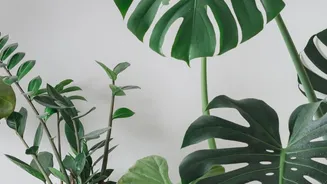
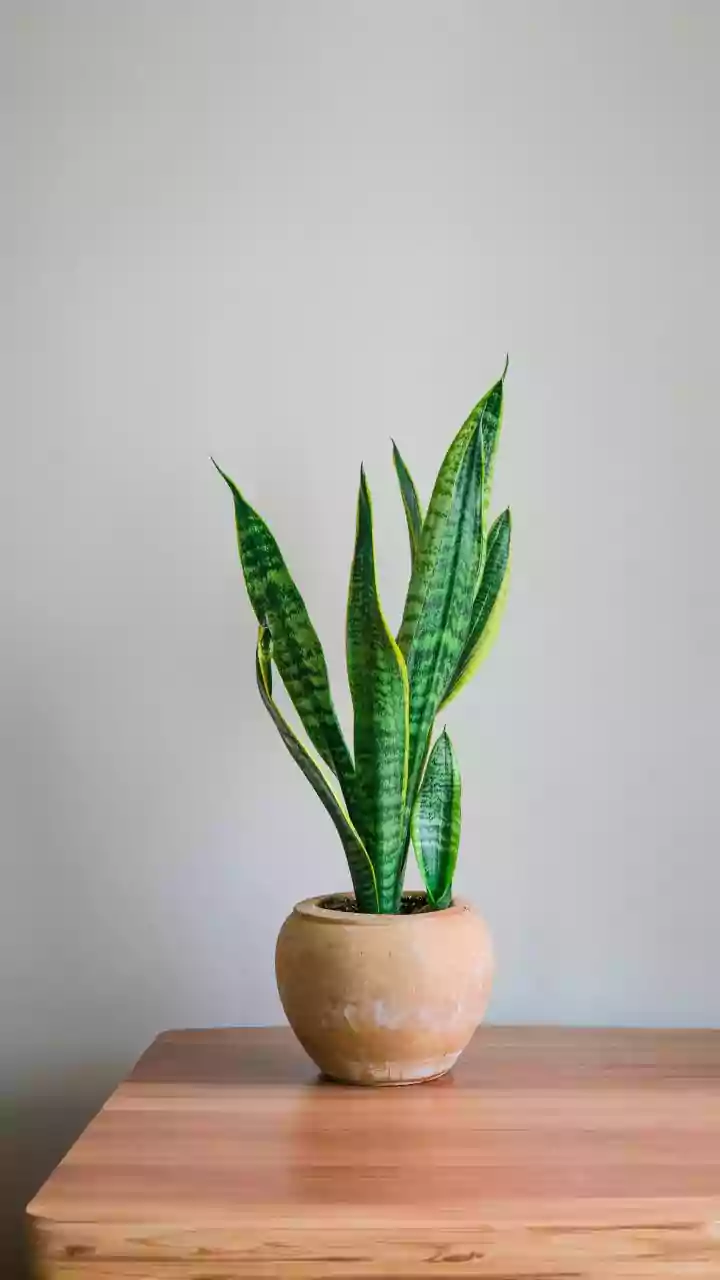
The biggest fear for any beginner is accidentally killing their new green friend. The solution is to start with plants that are famously forgiving. For Indian homes and apartments, which may have variable light conditions, certain plants are practically foolproof. The Snake Plant is a champion of low-light tolerance and requires minimal watering. Similarly, the ZZ Plant (Zamioculcas zamiifolia) thrives on neglect, needing water only when its soil is completely dry. The Money Plant (Pothos) is another excellent choice; it’s highly adaptable, grows well in low light, and can even be grown in a simple jar of water on your desk. These plants purify the air and add lushness without demanding constant attention, making them perfect for busy professionals.
Hack 2: Go Vertical to Save Space
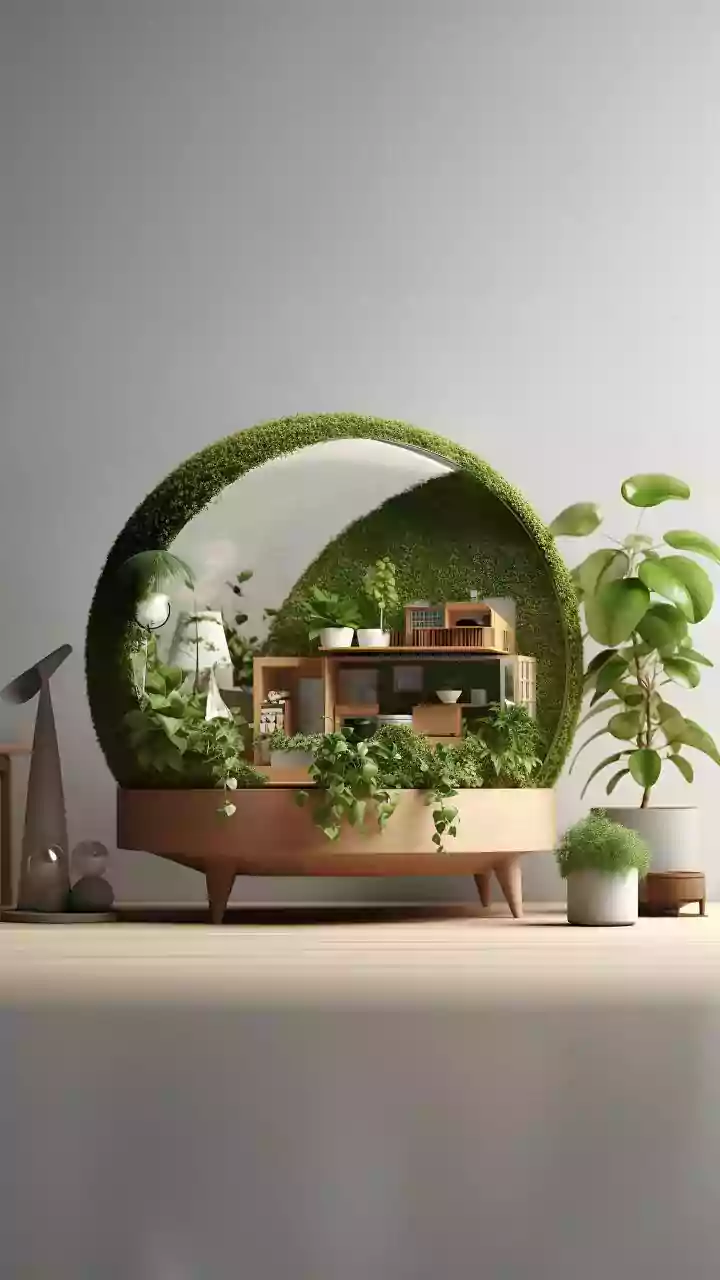
If your desk or floor space is limited, think upwards. Vertical gardening is a game-changer for small work-from-home areas. You don't need a complex setup; it can be as simple as using hanging planters or macrame holders to display trailing plants like Pothos or Spider Plants. Another easy hack is to install a few floating shelves above your desk to create a multi-level plant display. This draws the eye upward and makes the room feel more dynamic and full of life without cluttering your workspace. You can also find wall-mounted planters or create a DIY vertical garden using a pallet or a series of small pots attached to a board. This turns a blank wall into a living piece of art.
Hack 3: Get Creative with Planters
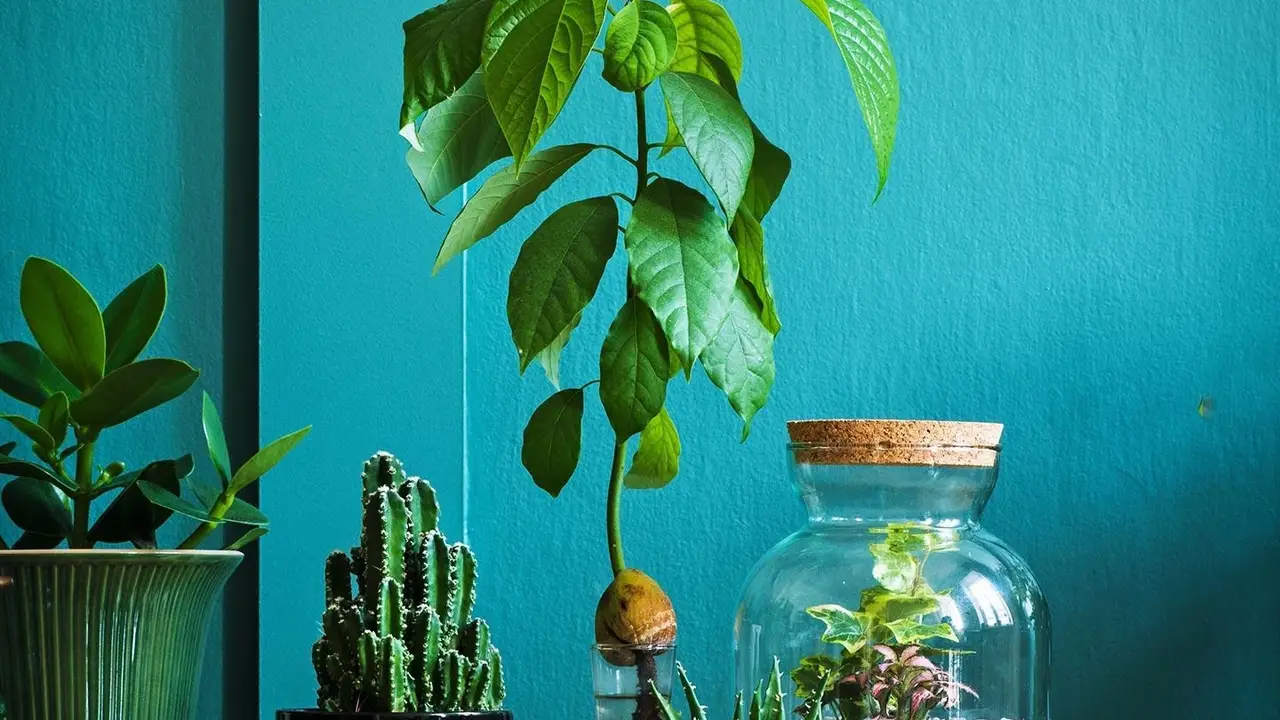
You don't need to spend a fortune on fancy pots. One of the best hacks for beginners is to repurpose items you already own. An old ceramic mug, a colourful tin can, or a glass jar can all become charming homes for small plants like succulents or herbs. Just ensure you have a layer of pebbles at the bottom for drainage if the container doesn't have a hole. This approach not only saves money but also adds a personal touch to your workstation. Grouping several small, unconventional planters together on a shelf or in a corner can create a delightful and eclectic green vignette that reflects your personality.
Hack 4: Group for Greater Impact
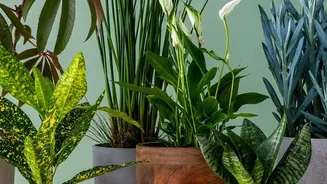
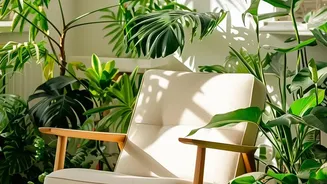
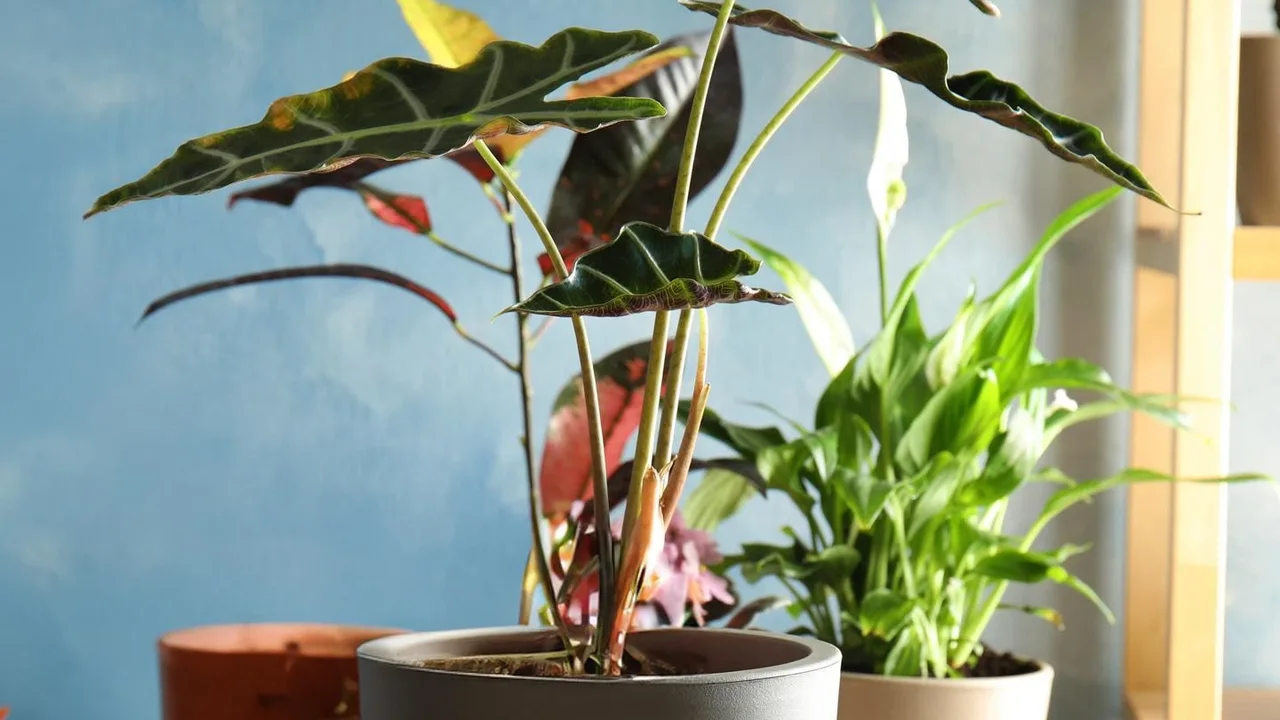
One lonely plant can look a bit sparse. To make a real visual impact, group several plants together. This technique, known as 'clustering', not only looks more lush and intentional but is also beneficial for the plants. Grouping plants can create a small pocket of humidity, which many popular tropical houseplants love. You can create a 'green corner' on a side table, a bookshelf, or a dedicated plant stand. Try mixing plants of different heights, leaf shapes, and textures to create a more interesting and natural-looking arrangement. A tall Snake Plant next to a bushy Peace Lily and a trailing Pothos can instantly elevate the look of your entire workstation.
Hack 5: Simplify Your Watering Routine
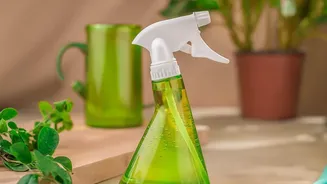
Overwatering is the most common mistake beginners make. A simple hack to avoid this is to set a consistent schedule. For many low-maintenance plants, watering thoroughly once every 10-14 days is sufficient. Always check the soil first; if the top inch or two is dry, it's time to water. For an even easier method, try using self-watering pots, which have a reservoir that allows the plant to draw water as needed. Another popular trick is the ice cube method for smaller pots: placing one or two ice cubes on the soil allows the water to melt slowly and absorb evenly without flooding the plant or dripping.