
Beyond the Basic Bowl
The monsoon season in India has always been synonymous with specific comfort foods. For many, the pitter-patter of rain is inextricably linked to the craving for a steaming bowl of soup or a hearty broth. Traditionally, these have been simple, home-style
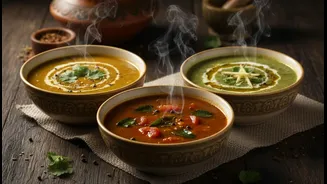
preparations—a nourishing rasam, a simple dal shorba, or a clear vegetable soup designed to soothe and warm. However, a delicious new trend is simmering in professional kitchens across the country. Chefs are now looking beyond the basics, transforming these familiar comforts into premium culinary statements. This isn't about replacing tradition, but refining it. The move towards 'premium' involves using high-quality, seasonal ingredients, employing advanced cooking techniques, and focusing on complex, layered flavours that pay homage to a dish's roots while presenting it in a modern context. Think less of a quick, one-pot meal and more of a thoughtfully composed dish, where every element, from the broth's clarity to the aromatic garnish, is carefully considered.
A Taste of Regional Terroir
This culinary evolution is deeply rooted in regionalism. Instead of generic 'Indian soup', chefs are championing the incredible diversity of the subcontinent's liquid-based dishes. In the south, the classic peppery rasam, long known for its digestive and healing properties, is being reinterpreted. Some restaurants now offer variations like beetroot rasam or even a rich Chettinad kozhi rasam made with chicken and bold spices. From Kashmir comes the elegant yakhni, a delicate mutton or chicken broth simmered with yogurt and aromatic fennel, traditionally light but now finding its place on fine-dining menus as a refined shorba. In Maharashtra, the coconut-based Pandhara Rassa is being presented not just as a curry accompaniment but as a standalone soup. Even lesser-known treasures like Ulavacharu, a hearty horse gram soup from Andhra Pradesh, are being introduced to a wider audience, celebrated for their unique, earthy flavours perfect for the monsoon. This focus on regionality allows diners to travel across India one spoonful at a time.
The Chefs Behind the Cauldron
Driving this trend are innovative chefs who are passionate about showcasing the depth of Indian cuisine. Many see themselves as culinary custodians, digging into their heritage to unearth forgotten recipes or re-examine familiar ones. Their philosophy is not about fusion for its own sake, but about evolution. They are applying global techniques to local ingredients to enhance, not mask, their authentic flavours. For example, a simple tomato shorba might be elevated by slow-roasting the tomatoes to intensify their sweetness or clarifying the broth for a cleaner, more elegant presentation. Chefs are also increasingly focused on sourcing seasonal and local produce, ensuring that their monsoon menus are not only comforting but also fresh and sustainable. This approach balances a respect for nostalgia with a desire for novelty, creating dishes that feel both familiar and excitingly new. It’s a testament to the creativity flourishing in modern Indian kitchens, where tradition is the starting point for innovation.
Redefining Comfort in a Bowl
Ultimately, this trend redefines what 'comfort food' can be. While the emotional connection to a simple, home-cooked meal remains powerful, these premium broths and soups prove that comfort can also coexist with sophistication. A bowl of Mutton Paya soup, slow-cooked for hours to create a rich, collagen-filled broth, offers a deep, soul-satisfying warmth that is both rustic and luxurious. A light, aromatic seafood rasam can be both healing and a gourmet experience. As restaurants create special monsoon menus featuring everything from hearty noodle soups like Thukpa to inventive creations like a Kaffir Lime Veg Rasam, they invite us to expand our palates. This shift reflects a broader confidence in Indian food, celebrating its regional nuances and proving that the country's culinary traditions have a place at the highest tables of global gastronomy. The simple act of enjoying a hot soup on a rainy day has been transformed into a richer, more flavourful affair.