








The Undeniable Pull of Power
Walk into any modern gym in India, and you'll see the evidence: strength training is king. From college students to corporate professionals, the pursuit of lifting heavier—whether in powerlifting, CrossFit, or general strength conditioning—has become
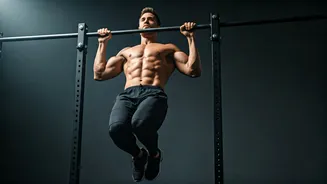
a dominant fitness culture. And for good reason. The benefits are well-documented and profound. Building muscle through progressive overload helps increase metabolic rate, strengthens bones (a crucial defence against osteoporosis), improves insulin sensitivity, and, of course, builds a strong, capable physique. Powerlifting, with its focus on the three big lifts (squat, bench press, and deadlift), is the ultimate expression of raw strength. For many, it's not just a workout; it's a discipline that builds mental fortitude and confidence.
When Strength Meets Longevity
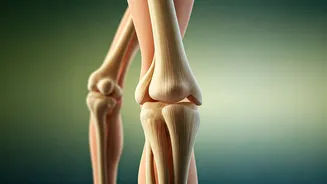
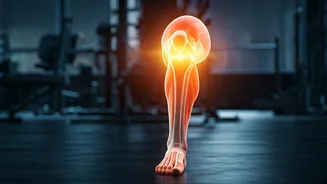
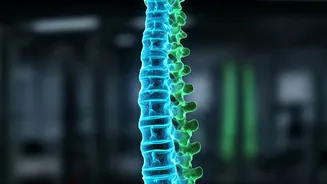
However, the conversation around fitness is evolving. The new goal for many isn't just to be the strongest person in the room today, but to be the most mobile and pain-free person in their 70s and 80s. This is where the narrative around high-impact, maximum-load training like powerlifting gets more complex. While immensely beneficial, a lifelong dedication to lifting at maximal capacity can take a toll. The stress on joints—particularly in the shoulders, hips, and lower back—can lead to chronic pain or injury over decades. Recovery also becomes a bigger factor as we age; the body simply doesn't bounce back from gruelling sessions as quickly. This has led many to seek a more sustainable approach to fitness, one that prioritises functional wellness over peak power.
The Rise of Functional Yoga
Enter the “new” yoga trend. This isn't your typical class focused solely on serene stretching and chanting. Instead, it’s a dynamic, intelligent approach often called 'functional yoga' or 'mobility-focused yoga'. This style borrows principles from physical therapy, biomechanics, and modern movement science. The goal isn't necessarily to achieve the most Instagram-worthy pretzel pose, but to build usable strength, stability, and range of motion that translates directly to everyday life. Think of it as preparing your body to sit, stand, walk, bend, and lift without pain or restriction for decades to come. Poses and flows are designed to improve how your joints function, activate underused stabiliser muscles, and enhance the mind-body connection that is crucial for balance and coordination—two things that decline with age.
Movement Over Muscle
So what does this yoga trend offer that heavy lifting might miss? The key lies in its focus on multi-planar movement and mobility. Powerlifting builds incredible strength in specific, linear patterns. Functional yoga, on the other hand, trains the body to move with control and fluidity in all directions—twisting, bending sideways, and rotating. This is vital for preventing the stiffness and brittleness that can lead to falls and injuries in later life. It improves proprioception (your body's awareness of its position in space) and strengthens the small, stabilising muscles around the joints that heavy compound lifts can sometimes neglect. Furthermore, it incorporates breathwork that helps regulate the nervous system, reducing stress and improving recovery—a critical component of healthy ageing that is often overlooked in pure strength disciplines.
A Complement, Not a Replacement
The headline's call to “ditch powerlifting” is intentionally provocative. The reality for most people is far more nuanced. The smartest approach to lifelong fitness isn't an either/or choice, but a balanced one. For many, the ideal routine might involve a foundation of strength training (perhaps with less emphasis on one-rep maxes) complemented by a regular functional yoga practice. The lifting maintains bone density and muscle mass, while the yoga ensures the joints remain healthy, mobility is preserved, and the body stays resilient. Yoga can improve your lifting by unlocking hip mobility for a deeper squat or improving shoulder stability for a safer bench press. It’s not about abandoning strength; it’s about adding intelligence and sustainability to how you build and maintain it.