






Understanding the El Niño Effect
El Niño is a naturally occurring climate pattern characterized by the warming of sea surface temperatures in the central and eastern equatorial Pacific Ocean. This isn't just a distant weather event; it has global ripple effects. For India, a strong El Niño often
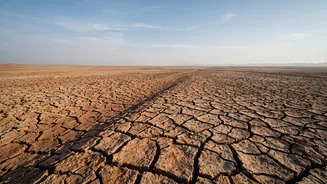
means a weaker southwest monsoon. The warm Pacific waters can disrupt the atmospheric circulation patterns that are essential for driving moisture-laden winds from the ocean to the Indian subcontinent. Forecasts from international agencies like the UK Met Office suggest that the El Niño developing in 2026 could be one of the strongest in over a century, with its peak impact expected between late 2026 and early 2027. This has put scientists and policymakers on high alert, as a significant portion of the country's agriculture depends on rainfed irrigation.
A Monsoon Under Threat
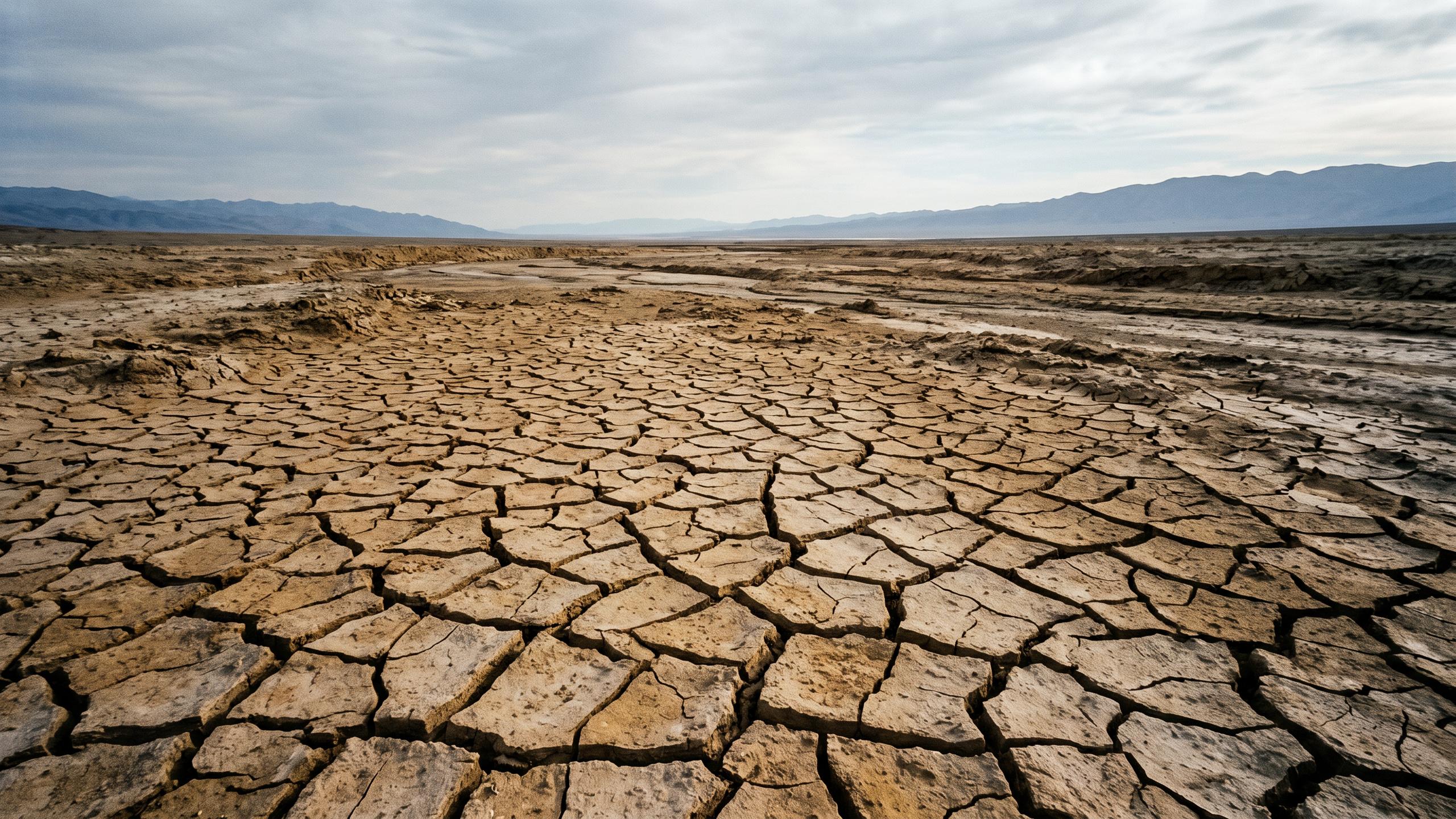
The Indian monsoon is the lifeblood of the economy, delivering about 70% of the country's annual rainfall. A disruption can have severe consequences. Even before the El Niño reaches its peak strength, its effects are being felt. Reports in August 2026 indicated that monsoon rainfall was already 13% below normal, with about 40% of the country receiving deficient rainfall. Historically, strong El Niño years have been associated with droughts in India. The current forecasts have raised concerns that the ongoing monsoon could be further suppressed, impacting the critical Kharif (summer) crop season and potentially the Rabi (winter) sowing, which relies on moisture left in the soil.
The Ripple Effect on Agriculture and Food
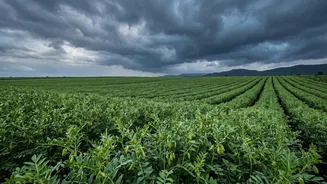
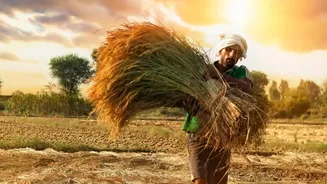
With nearly half of India's farmland lacking irrigation, the monsoon's performance is directly linked to agricultural output and food prices. A weak monsoon triggered by El Niño puts rainfed crops like rice, maize, soybeans, and cotton at significant risk. The Food and Agriculture Organization (FAO) has already warned that India is among the countries most exposed to agricultural drought from the current El Niño event. Lower crop yields can lead to a domino effect: farmer incomes are reduced, rural demand slows down, and food inflation can spike, affecting household budgets across the country. The government often has to dip into buffer stocks of grains like rice and wheat to control prices, and in severe cases, may need to consider imports to meet domestic demand.
India's Water Worries
Beyond agriculture, a weak monsoon places immense strain on the country's water resources. India's major reservoirs, which supply water for drinking, irrigation, and hydropower generation, depend on monsoon rains for replenishment. Data from the Central Water Commission in August 2026 showed that while a recent revival in rains helped, water storage in 166 monitored reservoirs was still significantly below the levels recorded in the previous year. The situation is particularly concerning in the southern and northern regions, which have shown a significant decline in water availability compared to last year. This not only threatens drinking water supplies in major cities and towns but also impacts hydropower generation and the availability of water for the crucial Rabi crop season, which is more dependent on reservoir storage.
Preparedness and the Path Forward
The threat of a strong El Niño is not a certainty of disaster, but a call for proactive measures. Indian authorities are aware of the risks and have been drawing up contingency plans. These include preparing for weaker-than-usual rains by identifying vulnerable districts, advising farmers on alternative crops, and ensuring the readiness of crop insurance schemes. Managing water resources becomes paramount. This involves careful monitoring of reservoir levels, promoting water-saving irrigation techniques, and preparing for potential water shortages in vulnerable areas. While the full impact of this potentially record-breaking El Niño will unfold over the coming months, the focus remains on building resilience to mitigate the pressure on India’s critical food and water systems.