





The Science of a Cooler Rooftop
The magic behind a terrace garden’s cooling power lies in two natural processes: shading and evapotranspiration. The layer of soil and plants acts as a green blanket, physically blocking the sun's harsh rays from heating the concrete slab below. Studies
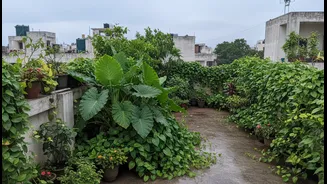
have shown that a green roof can significantly lower surface temperatures compared to a conventional bare roof. But the real cooling champion is evapotranspiration. This is the process where plants release moisture into the air as water vapour. As the water evaporates, it absorbs heat from the surrounding environment, actively cooling the air and the surface of the roof. This natural air conditioning not only lowers the temperature of the terrace but also reduces the heat that radiates down into the rooms below, decreasing the need for fans and air conditioners.
Preparing Your Terrace: First Steps
Before you start buying plants, two critical preparations are essential: waterproofing and checking the structural load. A terrace garden involves constant moisture, making high-quality waterproofing non-negotiable to prevent leaks and structural damage. This typically involves cleaning the surface, repairing any cracks, and applying a reliable waterproofing membrane, such as a bituminous, PVC, or liquid-applied layer. It’s also vital to ensure your roof can handle the additional weight of soil, pots, and water-laden plants. Consulting a structural engineer or architect is a wise investment to assess your terrace's load-bearing capacity and avoid future problems. Once these are sorted, you can plan your garden's layout.
Monsoon-Proof Your Garden with Proper Drainage
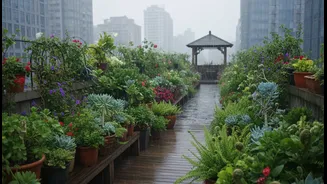
The biggest challenge during the monsoon is not a lack of water, but an excess of it. Heavy downpours can quickly waterlog pots, leading to root rot and killing your plants. Therefore, an effective drainage system is crucial. Ensure your terrace has a slight slope to guide water towards drainage outlets. Use pots with plenty of drainage holes. To prevent soil from clogging these holes, you can add a layer of gravel or geotextile fabric at the bottom before adding soil. For larger garden beds, installing a proper drainage layer and filter fabric is key. Some gardeners even create 'rain gardens' — depressed areas designed to collect and slowly filter excess rainwater, which helps manage runoff effectively.
Best Plants for the Indian Monsoon
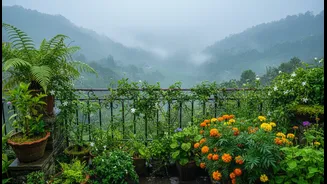
Choosing the right plants is key to a thriving monsoon garden. You need species that love humidity and can handle ample water, provided the drainage is good. Flowering plants like hibiscus, balsam, marigolds, and the aptly named rain lily flourish during this season. For greenery, ferns and coleus are excellent choices as they thrive in the humid, often shady conditions. The monsoon is also a fantastic time to grow your own food. Herbs like mint and coriander, and vegetables such as spinach, okra (bhindi), and various gourds (lauki, karela) grow vigorously in the moist environment. These plants not only add beauty and utility but are well-suited to the Indian climate.
Beyond Cooling: The Added Benefits
While a cooler home is the main goal, a terrace garden offers a host of other advantages. It significantly improves air quality by filtering pollutants and producing oxygen. It can become a small ecosystem, attracting birds and pollinators like bees and butterflies, thus supporting urban biodiversity. Growing your own herbs and vegetables provides access to fresh, pesticide-free produce right at home. Furthermore, the act of gardening and having a green space to relax in has well-documented benefits for mental well-being, reducing stress and providing a connection to nature amidst the urban jungle.