





Master Your Drainage System
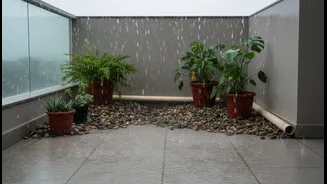
The first rule of a dry balcony is ensuring water can escape efficiently. Stagnant water is the primary cause of fungal growth and structural damage. Start by regularly inspecting your balcony's drainage outlets. Remove any leaves, dirt, or debris that
could cause a blockage. During the monsoon, this might need to be done weekly. A properly constructed balcony should have a gentle slope, known as a 'fall,' that directs water towards the drain. If you notice water pooling consistently after rain, it's a clear sign your drainage isn't working correctly. While a structural slope issue may require professional help, simply keeping your drains clear is a powerful first step you can take yourself.
Strengthen Your Waterproofing
Beneath your tiles lies the most critical defence: a waterproofing membrane. Over time, this barrier can fail, leading to leaks and persistent dampness. Signs of a failed membrane include cracked or lifting tiles, peeling paint on the ceiling below your balcony, or a persistent musty smell. While replacing a failed membrane is a job for professionals, you can significantly boost your protection by maintaining the surface. Inspect the grout between your tiles for any cracks or gaps. Rake out any crumbling sections and re-grout using a high-quality waterproof or flexible epoxy grout. Applying a clear, penetrating sealant over your tiles and grout annually can also create an additional moisture barrier, preventing water from seeping through in the first place.
Rethink Your Plant Care Routine
A balcony garden brings joy, but it can also be a major source of moisture. Overwatering is a common mistake, especially during the rainy season when plants need less supplemental watering. Allow the topsoil to dry out between waterings to discourage fungus gnats and root rot. Ensure every pot has clear drainage holes. It's also wise to elevate your pots using small bricks or plant stands. This allows excess water to drain freely and improves air circulation around the base, preventing water from getting trapped between the pot and the floor. If possible, avoid crowding too many plants together, as this can trap humidity and create a perfect environment for mildew to thrive.
Choose Weather-Resistant Furnishings
The items you place on your balcony can either help or hinder your fight against dampness. Porous materials like untreated wood and natural fibre rugs can absorb and hold moisture for days, leading to mould and decay. Opt for furniture made from materials like powder-coated metal, plastic, or all-weather wicker that don't absorb water. If you use outdoor rugs or mats, make sure they are designed for exterior use and are quick-drying. After heavy rain, it's a good practice to lift mats and prop up furniture cushions to allow the surfaces underneath to dry out completely. Good air circulation is essential, so avoid clutter that can trap pockets of damp air against walls and floors.
Make Cleaning a Preventative Habit
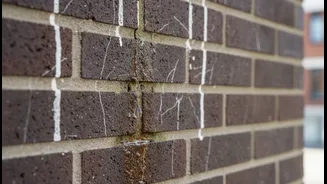
Regular cleaning is not just about aesthetics; it's about proactive maintenance. A weekly sweep to remove leaves and dirt prevents drain blockages and eliminates organic material that mould feeds on. When you clean, look for early warning signs of trouble, such as discolouration on the walls, new cracks in the grout, or rust stains near metal fixtures. Catching these issues early can prevent them from becoming major problems. For minor surface mould, a solution of vinegar and water can be effective. For more significant growth, a diluted bleach solution may be necessary, but always test it on a small, inconspicuous area first and ensure good ventilation.