





The Vinegar Question: Is It a Mould-Killing Miracle?
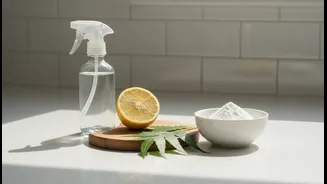
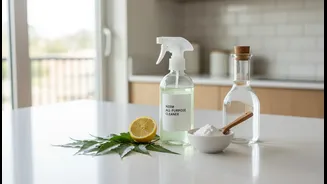
White vinegar is a popular choice for tackling monsoon mould, and for good reason. Its acidity can kill a significant percentage of common mould species. For small patches on non-porous surfaces, spraying undiluted white vinegar and letting it sit for an hour
before scrubbing can be effective. However, it’s not a universal solution. The key question is: what should you not clean with vinegar? Its acidic nature can damage certain materials. Never use it on natural stone countertops like marble or granite, as it can etch the surface and dull the finish. It can also degrade tile grout and damage the protective finish on hardwood floors over time. Additionally, avoid using it on electronic screens, as it can strip their protective coatings. For these sensitive surfaces, a simple solution of mild soap and water is a safer bet.
The Neem Question: A Natural Disinfectant and Pest Repellent?
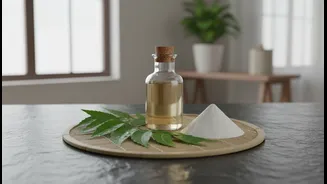
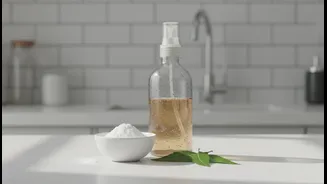
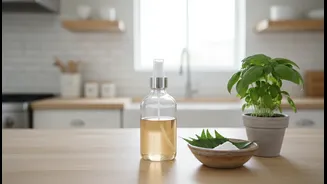
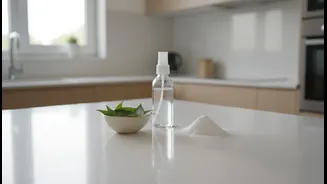
For generations, neem has been a cornerstone of traditional Indian home care, and science is catching up to its benefits. Neem possesses natural antibacterial and antifungal properties, making it a valuable tool during the damp monsoon months. Boiling neem leaves in water and using the strained liquid to mop floors can help disinfect surfaces and deter pests that thrive in the humidity. This age-old practice is praised for being a non-chemical way to keep disease-causing bacteria at bay. You can also place dried neem leaves in cupboards and storage boxes to absorb moisture and protect clothes and other items from fungus and insects like silverfish. While some sources suggest creating all-purpose sprays with neem oil, it's primarily a biopesticide, not a cleaning agent, and can leave residue or damage certain finishes. For general cleaning, sticking to neem-infused water is a safer and effective approach.
The Baking Soda Question: The Ultimate Odour and Grime Buster?
That musty, damp smell is a signature of the monsoon. Before you reach for chemical air fresheners, ask if baking soda can do the job. The answer is a resounding yes. Baking soda is excellent at absorbing and neutralising odours. Placing open bowls of it in stuffy corners, inside cupboards, or in the refrigerator can effectively combat musty smells. For fabrics, sprinkling baking soda on carpets, mattresses, or upholstery, letting it sit for about 30 minutes, and then vacuuming it up can refresh them significantly. It also works wonders in laundry; adding half a cup to your wash cycle helps deodorise damp-smelling clothes. As a mild abrasive, a paste of baking soda and water can be used to gently scrub away grime from many surfaces. However, its abrasive nature means you should avoid using it on delicate surfaces like glass or finished wood, as it can cause scratches.
The Combination Question: Should You Mix Vinegar and Baking Soda?
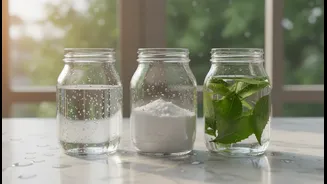
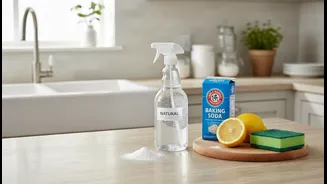
Many online hacks show a satisfying fizz when vinegar and baking soda are mixed, suggesting a super-powered cleaner. But is this effective? The simple answer is no. Chemically, vinegar is an acid and baking soda is a base. When you combine them, they react to neutralise each other. The dramatic bubbling you see is just carbon dioxide gas being released. What you are left with is mostly saltwater (sodium acetate), which has very little cleaning power. While the initial fizzing action might help mechanically loosen some surface grime, you lose the individual disinfecting power of vinegar and the deodorising ability of baking soda. For effective cleaning, it is far better to use them separately. For instance, you can use baking soda as a scrub first, and then rinse with a vinegar solution to disinfect.
A Renter’s Strategy: Putting It All Together
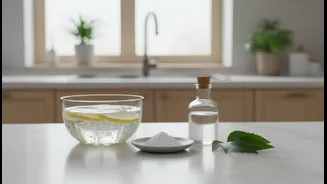
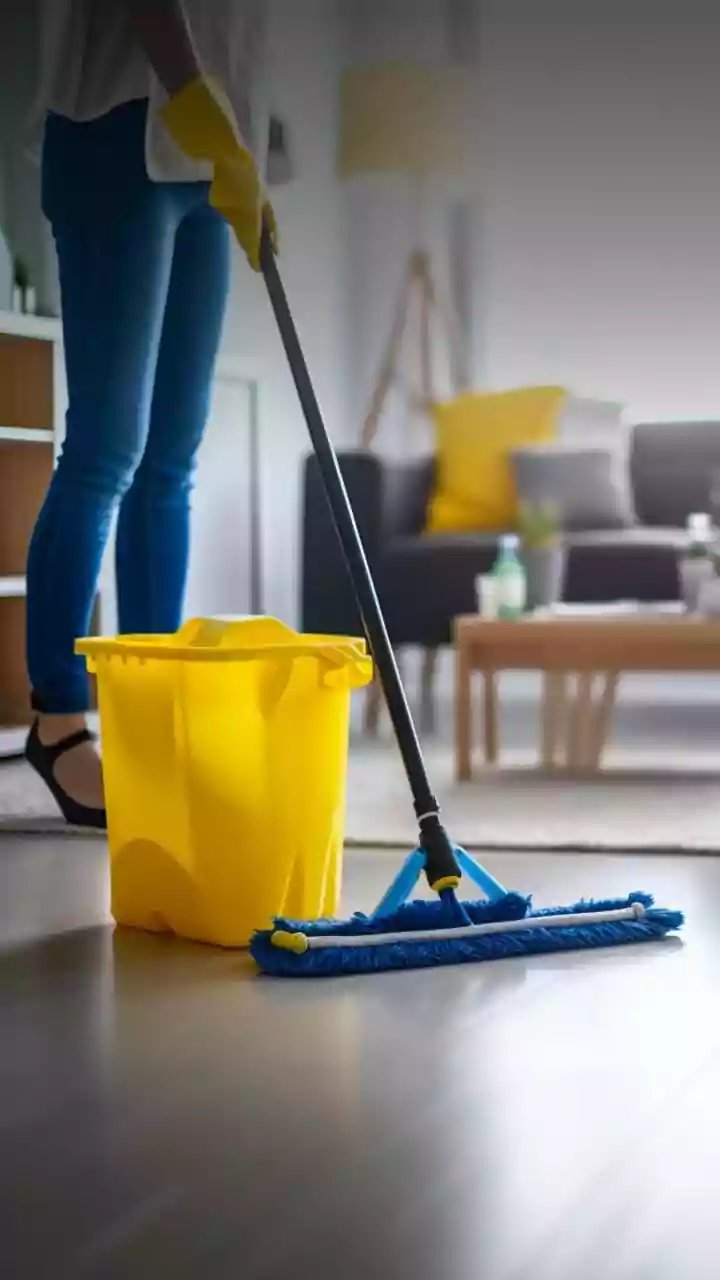
For renters, making permanent changes isn't an option, so smart, non-damaging cleaning is crucial. During the monsoon, focus on ventilation by opening windows whenever the rain stops. Use bowls of baking soda to manage damp smells in enclosed spaces like wardrobes and kitchen cabinets. For floor cleaning, adding neem water or a splash of white vinegar to your mop bucket can help disinfect and deter insects. Pay close attention to bathrooms and other damp-prone areas, wiping them down regularly to prevent mould growth. A weekly wipe-down of wooden furniture with a dry cloth, followed by placing neem leaves or silica gel packets inside, can prevent that dreaded musty odour and mould from taking hold. By understanding what these natural ingredients do—and what they don't—you can keep your rented space fresh and clean all season long without causing damage.