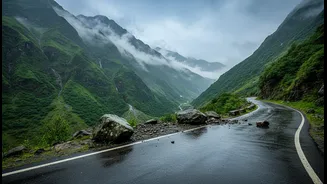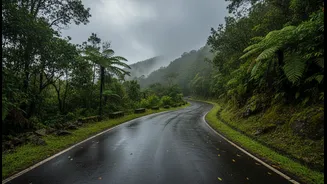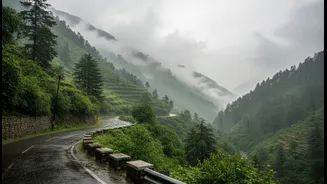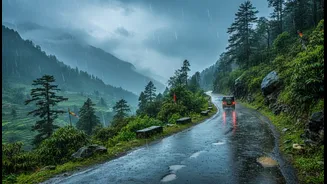

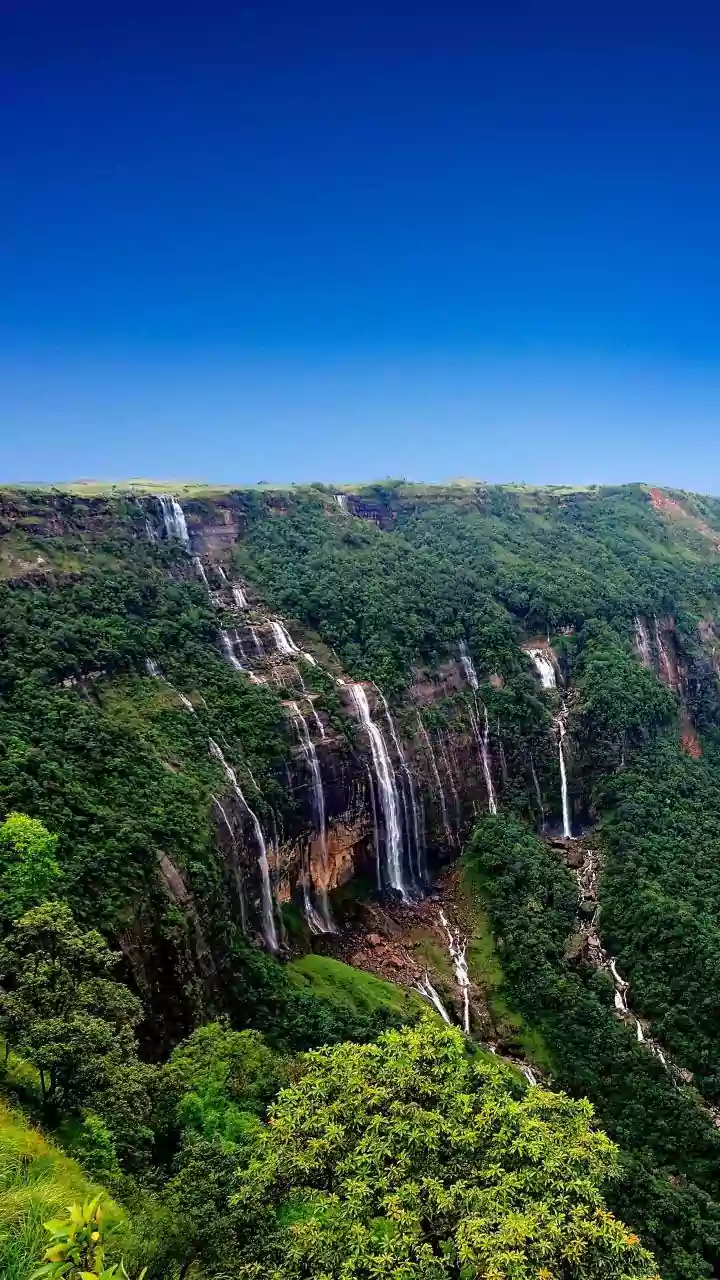




The Allure and The Alarm
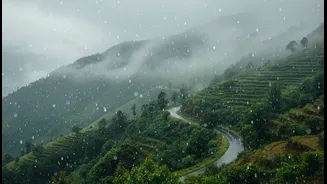
There's no denying the magic of Himachal during the rains. The tourist crowds thin out, hotel prices drop, and the landscape is reborn in vibrant shades of green. It’s a tempting escape, but the reality of the season can be harsh. The monsoon, which officially
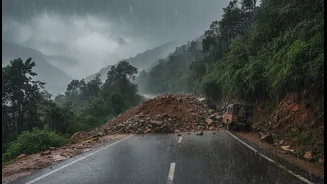
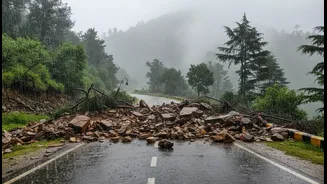
covered the state by early July 2026, brings with it a high risk of landslides, flash floods, and widespread road closures. Recent days have already seen heavy rainfall trigger flash floods in districts like Kinnaur and Chamba, blocking major national highways and stranding vehicles. The India Meteorological Department (IMD) has issued multiple 'orange' and 'yellow' alerts for heavy to very heavy rainfall across popular districts like Shimla, Kullu, Mandi, and Kangra, warning of hazardous conditions through mid-July. This isn't a reason to cancel all plans, but a firm reminder to plan with caution.
Check Everything Before You Go
Spontaneity is a luxury you cannot afford during the Himalayan monsoon. Your planning should start long before you pack your bags. First, become obsessed with the weather forecast. Monitor the IMD's website for daily updates and pay close attention to any orange or red alerts for your intended destination. Next, check the real-time road status. The Himachal Pradesh Police frequently post updates on their social media handles, and this information is critical. Key routes like the Mandi-Kullu stretch of NH-3 and parts of NH-5 connecting to Shimla and Kinnaur are notoriously vulnerable to landslides. Finally, make flexible bookings. Choose hotels that allow for last-minute cancellations or rescheduling. This provides a crucial financial safety net if roads are blocked or conditions become unsafe.
Choose Your Destination Wisely
Not all of Himachal is equally risky. High-altitude treks and remote valleys are best avoided. Instead, consider destinations that are more accessible and have robust infrastructure. Lower-elevation towns like Kasauli, Chail, and Palampur are generally safer bets with well-maintained roads. Popular spots like Shimla, Manali, and Dharamshala can be good bases, provided you plan for a relaxed stay rather than a packed itinerary of day trips. These towns offer plenty of cafes, monasteries, and local markets to explore even when the weather is moody. If you want to avoid the rain altogether, the rain-shadow region of Spiti Valley is an option, as it receives minimal rainfall. However, the roads to get there, particularly from the Manali side, are still prone to monsoon-related damage.
Pack for Safety, Not Just Style
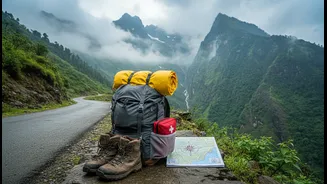
Your monsoon packing list for the hills is different. An umbrella is often useless against strong mountain winds; a good quality raincoat or poncho is essential. Opt for quick-drying clothes made from synthetic fabrics and avoid cotton, especially jeans, which take a long time to dry. Sturdy, waterproof footwear with a good grip is non-negotiable. Your bag should also contain a robust emergency kit: a powerful torch or headlamp (power cuts are common), a fully charged power bank, a first-aid kit, and some high-energy snacks like protein bars. Also, pack all electronics, documents, and even clothes in waterproof dry sacks or ziplock bags to protect them from the pervasive dampness.
On the Road: A Slower, Safer Pace
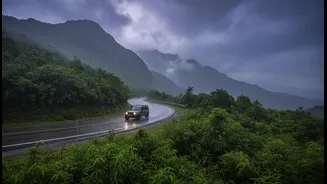
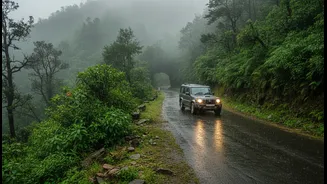
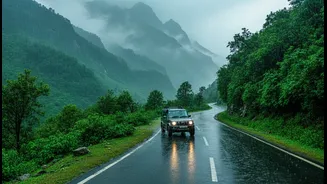
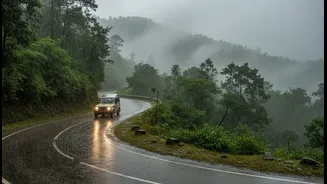
Driving during the monsoon demands a different mindset. The most important rule is to avoid travelling at night, as visibility is poor and the risk of encountering fresh landslides is higher. Start your drives early in the morning to cover distances before late-afternoon downpours, which are common. Always build buffer days into your itinerary to account for unexpected road closures. While driving, be vigilant. Do not park your vehicle near unstable slopes or weak-looking trees, as the saturated soil makes them prone to collapse. Most importantly, stay away from rivers and streams. Water levels can rise in minutes without warning, and authorities have begun fining tourists for venturing too close to riverbanks for photos.