







The Body Clock And The Night Shift
Every person operates on an internal 24-hour clock known as the circadian rhythm. This master clock, located in the brain, regulates nearly all of our bodily functions, from metabolism to hormone release, but its most famous job is managing the sleep-wake
cycle. Light is the primary signal that keeps this clock synchronised with the outside world. Bright, natural light tells your brain it's time to be awake and alert. Darkness signals that it's time to produce melatonin, the hormone that promotes sleep. Shift work throws this entire system into disarray. When you work through the night and need to sleep during the day, your body clock is receiving conflicting messages. You feel tired at work when you need to be alert, and wide awake at home when you desperately need to sleep. This misalignment is why shift workers often suffer from poor sleep quality, particularly a lack of deep, restorative sleep.
Fighting Daylight With Circadian Lighting
Circadian lighting is simply the strategic use of light to support your body's natural sleep-wake cycle. For a shift worker, this means creating an artificial sunset and night, even when the sun is high in the sky. The main culprit to avoid is blue light, the specific wavelength found abundantly in sunlight and electronic screens. Exposure to blue light suppresses melatonin production, tricking your brain into thinking it's still daytime. The goal for a shift worker ending their shift in the morning is to minimise blue light exposure and maximise exposure to warmer, dimmer light, which mimics the setting sun and encourages the brain to wind down for sleep.
Your Post-Shift Action Plan
The transition from work to bed is the most critical period to manage light. The journey home can be a major source of sleep-disrupting daylight. Experts strongly recommend investing in a pair of wraparound blue-light-blocking glasses. Put them on before you leave your workplace and wear them until you are in your darkened bedroom. Studies have shown this simple step can significantly improve sleep duration and quality for shift workers. These glasses work by filtering out the specific wavelengths of light that signal your brain to stay awake, helping to preserve the melatonin your body should be producing to prepare for sleep. Once home, resist the urge to turn on bright overhead lights. Keep the environment as dim as possible.
Create A Sleep-Inducing Sanctuary
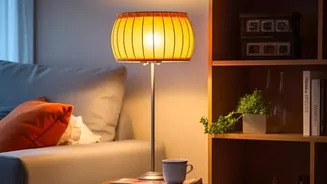
Your home lighting should continue the work your sunglasses started. Swap out bright, cool-toned bulbs in your bedroom and living areas for warm, amber, or red-hued alternatives. Smart bulbs that can be programmed to dim and change colour temperature are an excellent tool for creating an artificial sunset. In the hour or two before you plan to sleep, dim the lights significantly. This “wind-down” period is essential for signaling to your brain that the day is over. Avoid all screens during this time, including phones, tablets, and televisions. If you must use a device, enable its 'night mode' and use blue-light-blocking screen filters. The goal is to make your pre-sleep environment as dark and tech-free as possible to allow melatonin to rise naturally.
Beyond Lighting: Complete Your Sleep Toolkit
While controlling light is a game-changer, other strategies can further enhance your sleep. Make your bedroom a true cave of darkness by using blackout curtains, or a high-quality sleep mask, to block out all daylight. Maintain a consistent sleep schedule, even on your days off, to help your body clock adapt. Try to get some exposure to bright light, preferably sunlight, soon after you wake up before your next shift begins; this helps anchor your waking hours and reinforces your new cycle. A short nap of about 90 minutes before your shift can also improve alertness at work. By combining a smart lighting strategy with these proven sleep hygiene habits, you can take meaningful control over your rest and recovery.