




Meet the Cruciferous Family
You might be eating cruciferous vegetables every day without even realising it. This large family of plants, formally known as Brassicaceae, gets its name from the Latin for "cross-bearing" because their flowers have four petals in the shape of a cross.
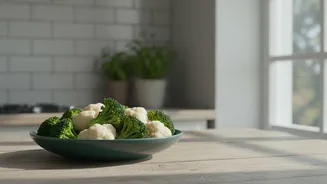
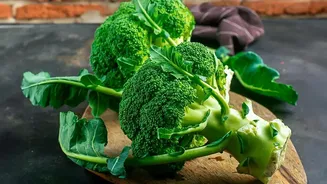
In India, they are staples in our kitchens. This group includes cauliflower (gobi), cabbage (patta gobhi), broccoli, radishes (mooli), and mustard greens (sarson). These vegetables are celebrated for being rich in essential vitamins like C and K, folate, and fibre, making them a crucial part of a healthy diet.
Understanding Polyphenols: The Hidden Health Boosters
So, what makes these vegetables so special? A large part of the answer lies in tiny compounds called polyphenols. These are naturally occurring micronutrients in plants that act as powerful antioxidants. Think of them as the plant's personal bodyguards, protecting it from environmental damage. When we eat these plants, those protective benefits are passed on to us. Research suggests that a diet rich in polyphenols can help protect our bodies against a range of conditions, including heart disease and type 2 diabetes, primarily due to their anti-inflammatory properties and ability to fight cell damage.
The Problem with Heat and Water
The way we cook our food can dramatically alter its nutritional profile. High heat and excessive water are the primary culprits when it comes to nutrient loss. When you boil cruciferous vegetables, many of the water-soluble compounds, including certain polyphenols and vitamins, leach out into the cooking water. One study noted significant losses of polyphenols when vegetables were boiled for even 15 minutes. Frying, with its high temperatures, can also cause substantial degradation of these delicate compounds. While cooking can sometimes make certain nutrients more available by breaking down cell walls, aggressive methods often do more harm than good, literally washing the benefits down the drain.
Why Steaming Is the Superior Method
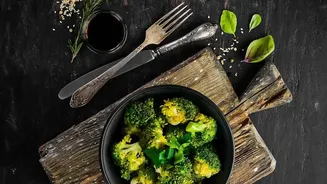
This is where steaming comes in. Unlike boiling, steaming cooks the vegetables with hot water vapour without submerging them. This indirect contact with water significantly reduces the leaching of water-soluble nutrients. Multiple studies have shown that steaming is one of the best methods for retaining, and in some cases even increasing, the polyphenol content in cruciferous vegetables like broccoli. Steaming also preserves another crucial compound in broccoli called myrosinase, an enzyme necessary to form the cancer-fighting compound sulforaphane. Boiling and microwaving, by contrast, can destroy this enzyme very quickly. By gently cooking the vegetables, steaming softens them just enough to make them palatable while keeping their nutritional integrity largely intact.
Simple Steaming Tips for Your Kitchen
Incorporating steaming into your daily cooking is simple. All you need is a pot with a tight-fitting lid and a steamer basket. Cut your vegetables into uniform pieces to ensure they cook evenly. Bring about an inch of water to a boil, place the vegetables in the basket above the water, cover, and let the steam work its magic. Cooking times vary by vegetable, but a good rule of thumb is to aim for 'tender-crisp'. Broccoli and cauliflower florets typically take 5 to 7 minutes. The vegetables should be vibrant in colour and easily pierced with a fork but still have a slight bite. This prevents them from becoming mushy and ensures you’re getting the most nutritional benefit.