

The Unseen Climate Connection
The story of India's weather is often a global one, heavily influenced by the El Niño-Southern Oscillation (ENSO) cycle in the Pacific Ocean. This cycle has two main phases: El Niño and La Niña, and they have a profound impact on our seasons. A La Niña phase is often associated
with a stronger, wetter-than-average monsoon in India. Conversely, an El Niño phase typically weakens monsoon winds, leading to drier conditions. This isn't just a weather fun fact; it sets the stage for the winter to come. Historically, strong monsoons linked to La Niña can be followed by colder, harsher winters, particularly in the northern plains and Himalayas. A weak, El Niño-affected monsoon, on the other hand, often precedes a milder winter. So, the rain that fell (or didn't fall) over the past few months is a key indicator of the temperatures and conditions you can expect for your December or January getaway.
For Lovers of Snow and Mountains
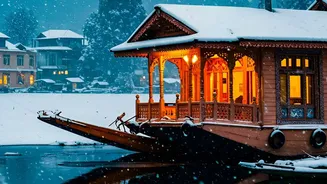
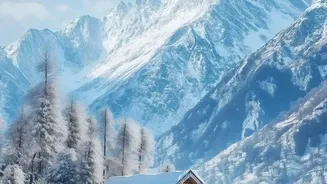
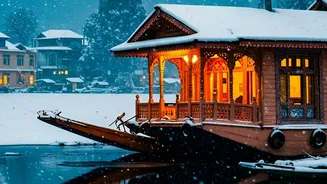
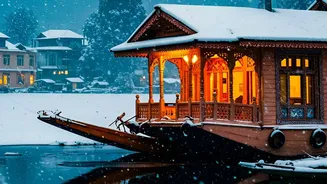
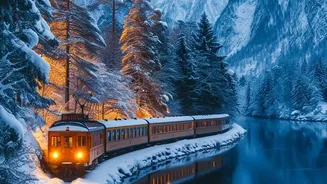
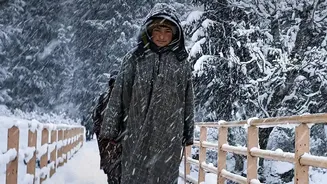
If your winter dream involves skiing in Gulmarg or seeing a snow-covered Shimla, the strength of the preceding monsoon is a critical clue. A year with a strong monsoon often points towards a winter with heavier and more frequent snowfall in the Western Himalayas. This is fantastic news for winter sports enthusiasts, promising excellent conditions on the slopes. However, it also comes with a caution for travellers. Heavier snowfall increases the likelihood of road closures, flight delays due to fog in the northern plains, and the need for more careful planning around accessibility. If the monsoon was weaker than average, you might expect a milder winter in the mountains. This could mean less reliable snow for skiing but potentially easier travel conditions, with clearer skies and more accessible roads for those looking to simply enjoy the crisp mountain air and stunning views without being snowed in.
For Sun, Sand, and Southern Coasts
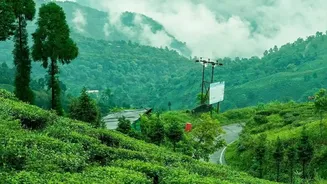
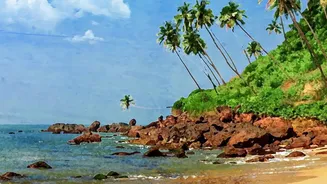
The connection is just as important for those planning a trip to the sun-drenched coasts of Goa or the tranquil backwaters of Kerala. A bountiful monsoon directly translates to a more beautiful winter in these regions. Abundant rainfall fills the rivers, lakes, and reservoirs, which means waterfalls like Dudhsagar in Goa are at their most majestic, and the backwaters and spice plantations of Kerala are exceptionally lush and vibrant. The entire landscape benefits from the post-monsoon greenery that extends well into the early winter months, making it a photographer's paradise. While a weak monsoon won't ruin a beach holiday—the weather in South India remains pleasantly mild and sunny in winter regardless—it might mean that the region's natural attractions are slightly less spectacular. The waterfalls may be less powerful, and the landscape not quite as emerald green.
For Deserts and Heritage Trails
Even for a desert state like Rajasthan, the monsoon leaves its mark. A healthy monsoon season can transform the arid landscapes around cities like Udaipur and Jaipur, leaving behind a surprising amount of greenery that lingers into the early winter. The lakes, which are central to the charm of cities like Udaipur, are fuller, reflecting the magnificent forts and palaces more beautifully. While winter in Rajasthan is reliably dry and pleasant for sightseeing, a good monsoon enhances the aesthetic experience. It adds a layer of vibrancy to a region primarily known for its golden hues. Travellers in early winter might be treated to a unique combination of lush, post-monsoon landscapes and the comfortable, cool temperatures ideal for exploring the region's rich heritage without the extreme heat of other seasons.
How to Plan Your Winter Trip
So, how can you use this knowledge? First, pay attention to the overall monsoon performance reports issued by meteorological departments. Was it a surplus, deficit, or normal monsoon? This gives you a baseline for your expectations. For mountain trips, especially if driving, build some buffer days into your itinerary in a strong-monsoon year to account for potential delays. For southern getaways, book after a strong monsoon to see the region in its most glorious, green state. Regardless of the forecast, the winter season from December to February is generally considered one of the best times to travel across most of India due to pleasant weather. By understanding the monsoon's influence, you're not just booking a trip; you're timing it to perfection for the experience you truly want.