







Why Protective Styling Matters Now
The post-monsoon season in India is a transitional period for your hair. Humidity can still be high, leading to frizz, while increased dryness in the air can cause brittleness. Add the daily exposure to environmental pollutants and friction from a helmet
or scarf during your commute, and you have a recipe for hair damage. Protective hairstyles are styles that keep your hair ends tucked away and secure. This minimises tangling, reduces friction, and shields your strands from environmental stressors, helping to retain moisture and prevent breakage. They are a simple and effective way to maintain hair health without a complicated routine.
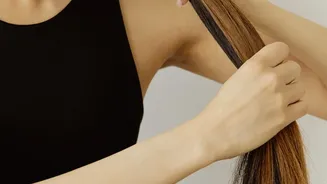
The Classic Three-Strand Braid
A simple, loosely tied braid is perhaps the most effective and timeless protective style. It keeps hair contained, preventing it from tangling due to wind or catching on your clothes and bag straps. A braid structurally strengthens the hair, reducing the chances of breakage during a bustling commute. For added benefit, you can apply a small amount of leave-in conditioner or anti-frizz serum before braiding to lock in moisture and keep hair smooth all day. This style works for nearly all hair lengths and types and sits comfortably under a helmet.
The Sleek Low Bun or Chignon
For a polished and professional look that offers maximum protection, the low bun is an excellent choice. It keeps all your hair, especially the fragile ends, completely tucked away from pollution and friction. To create it, gather your hair into a low ponytail at the nape of your neck. You can then twist or braid the ponytail before wrapping it into a bun and securing it with pins. This style is perfect for office-goers as it looks neat and stays in place throughout the day. A low bun also fits easily under a two-wheeler helmet without creating uncomfortable pressure points.
The High Ponytail for Volume and Control
While a tight ponytail can cause tension, a well-placed high ponytail can be a great way to manage hair, especially if you want to maintain some volume. This style keeps hair off your neck, which is ideal for humid days. The key is to secure it firmly but not so tightly that it pulls on your hairline. To combat frizz and flyaways, use a smoothing cream on the lengths of the ponytail. This style works best for non-helmet commutes, as a high ponytail can interfere with helmet fit.
The Twisted or Braided Headband
If you prefer to wear your hair down but want to keep it out of your face, a twisted or braided front section is a stylish solution. Take a section of hair from the front on one side, twist or braid it back, and pin it securely. This simple trick prevents the front sections of your hair from getting greasy or frizzy from sweat and exposure during your commute. It’s a quick style that works on both long and short hair, adding a touch of elegance to an everyday look while providing partial protection.
Tips for Commuters Using Helmets
For the millions who commute on twondwheelers, helmet hair is a real concern. The combination of compression, friction, and sweat can flatten roots and cause significant breakage. Before wearing your helmet, always ensure your hair is completely dry. Tying your hair in a low braid or a low bun is the best option to minimise friction. Consider wearing a silk or satin scarf or cap under your helmet; the smooth fabric reduces friction and helps prevent frizz and breakage. This small step can make a huge difference in protecting your hair on daily rides.