





The Old 'Just in Case' Mentality
For years, the conventional wisdom for packing was to prepare for every possible contingency. This often translated into huge, 70-litre-plus rucksacks filled with 'just in case' items: extra clothes, heavy gadgets, and redundant gear. While the term 'heavy
suitcases' in the headline is a bit of an exaggeration, it perfectly captures the spirit of this over-encumbered approach. Trekkers were effectively carrying their closets on their backs. The result was often exhaustion, sore shoulders, and a slower, less enjoyable pace, with the focus being more on managing the load than appreciating the spectacular Himalayan or Western Ghats scenery.
The Rise of the Minimalist Mindset
The shift towards basic waterproof packs is rooted in a broader minimalist and ultralight backpacking philosophy. The core idea is simple: every gram you carry costs energy. By drastically reducing the 'base weight'—the weight of your pack and essential gear before adding consumables like food and water—you gain freedom. This isn't about being unprepared; it's about being smarter. It's about choosing multi-purpose items, trusting modern materials, and understanding that a lighter load enables you to cover more ground with less fatigue, reduces the risk of strain-related injuries, and allows for a more immersive connection with nature.
What Defines a Modern Pack?
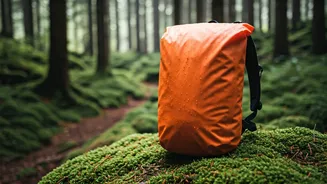
So, what are these 'basic waterproof packs'? They are marvels of material science and design efficiency. Instead of heavy canvas and complex frames, they use advanced, lightweight fabrics like Dyneema Composite Fabric (DCF) or high-denier, silicone-coated ripstop nylon. These materials are inherently waterproof or highly water-resistant, eliminating the need for a separate heavy rain cover. Key features include: - **Frameless or Simple Frames:** Many ultralight packs are frameless, relying on a sleeping pad for structure, or have a simple, removable foam back panel or lightweight aluminum stays. - **Minimalism in Design:** They do away with excess pockets, zippers, and straps. The design is often a simple roll-top closure, which is excellent for waterproofing and compressing the load, with a large main compartment and a few external mesh pockets for water bottles and quick-access items. - **Lower Volume:** Instead of 60-80 litre monsters, these packs are typically in the 30-50 litre range, which forces a more disciplined approach to packing.
It’s a Full System Overhaul
Swapping your pack is only the first step. The minimalist approach works because all the gear has become lighter and more compact. The 'big three'—your pack, shelter, and sleep system—are the primary targets for weight reduction. Heavy, multi-pole tents are being replaced by ultralight single-wall shelters or even tarps. Bulky synthetic sleeping bags are swapped for highly compressible, high-fill-power down quilts. This system-wide thinking extends to every item. Why carry a separate pot, pan, and bowl when a single titanium pot can do it all? Why pack three jackets when a versatile layering system of a fleece and a waterproof shell is more effective?
How to Lighten Your Own Load
Making the switch can feel daunting, but it’s a gradual process. Start by conducting a gear audit. Lay out everything you typically pack for a weekend trek and weigh each item. A simple kitchen scale works wonders. Identify the heaviest items—often the tent, sleeping bag, and pack itself. You don't have to replace everything at once. Focus on one piece of gear per season. A great first step is simply to be more ruthless in your clothing choices and leave behind non-essential electronics and 'comfort' items. Learn to love multi-purpose gear: a buff can be a hat, a scarf, and a towel. Your trekking poles can double as your tent poles. This change in mindset is the most powerful tool for lightening your pack.