






More Than Just a Sweet Treat
From Delhi to Lucknow and beyond, mango festivals have become a beloved summer tradition, drawing thousands of visitors. Organised by tourism departments, farmer collectives, and entrepreneurs, their stated aims are often ambitious: to connect farmers
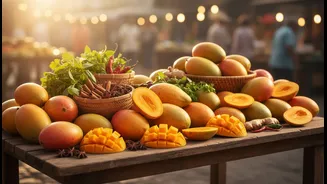
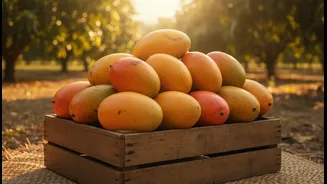
directly with consumers, promote India's vast mango heritage, and boost local economies. Events like the Uttar Pradesh Mango Festival and Delhi's long-running Aam Mahotsav showcase hundreds of varieties, from the famous Dasheri and Langra to rare, local specialities. They serve as a platform not just for sales, but for education, showing consumers the incredible diversity of a fruit many think has only a handful of varieties. The goal is to transform a seasonal celebration into a meaningful driver of agriculture and tourism.
A Lifeline for Small Farmers?
For many growers, these festivals offer a crucial opportunity to bypass traditional supply chains and sell directly to the public, earning better prices. A one-day festival in Jharkhand, for example, generated over ₹50,000 in direct sales for local farmers. Organisers of the UP Mango Festival highlight that such events give farmers greater visibility and confidence. Government bodies are also stepping in, using festivals as a platform to connect farmers with exporters and promote modern horticultural techniques. However, the long-term impact depends on moving beyond a few days of good sales. For these benefits to last, they need to be part of a larger, more resilient system, including strong farmer cooperatives and investment in infrastructure like pack houses, which help farmers meet export quality standards.
A Living Library of Flavours
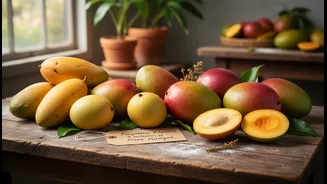
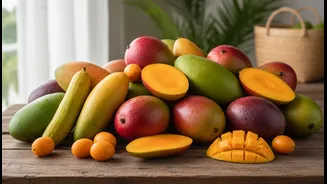
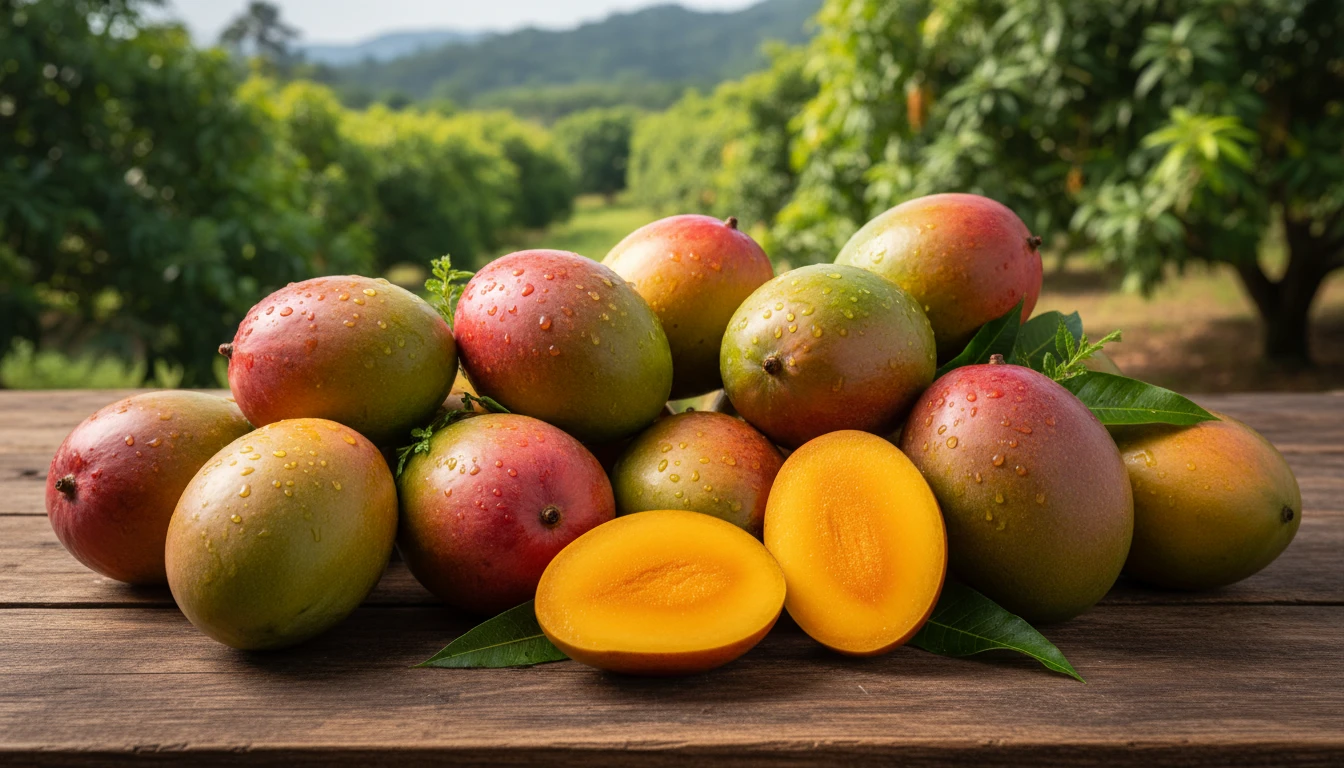
India is home to nearly 1,000 of the world's 1,500 mango varieties, a staggering genetic diversity. Festivals play a vital role in preserving this heritage. By creating a market for heirloom and indigenous varieties that might otherwise be lost to more commercially dominant types, they give farmers an incentive to keep growing them. Festivals in Delhi and Maharashtra have showcased over 400 and 330 varieties respectively, some as small as a grape and others as large as a papaya. This focus on biodiversity is crucial, as it builds resilience against climate change and protects a vital part of India's agricultural identity. Initiatives that bring together conservationists, researchers, and farmers at these events help ensure this unique biodiversity is secured for future generations.
Putting Regions on the Map
Mango festivals are a cornerstone of a growing trend in agri-tourism, which connects urban travellers with rural life. These events can put lesser-known regions on the tourist map, attracting visitors who come for orchard tours, tasting sessions, and a glimpse into farm life. Successful festivals integrate farm stays, workshops on organic farming, and local cultural performances to create an immersive experience. This model, unlike mass tourism, is often low-impact and community-driven. The challenge is to ensure the benefits are widespread and lasting. Agri-tourism requires good infrastructure, skilled staff, and strong community participation to move beyond a temporary influx of visitors and create a sustainable source of income for rural areas.
Beyond the Festival Hype
While the potential is clear, turning festival hype into long-term impact is not guaranteed. For these events to be truly transformative, they must be part of a consistent, year-round strategy. This includes policy support for farmers, promoting food processing to add value, and developing better transit links to get produce to wider markets. The success of agri-tourism depends on institutional support, like homestay schemes and rural tourism policies that empower local communities. Ultimately, the festival should be a catalyst, not the final destination. It can spark consumer interest in rare varieties and create direct farmer-to-buyer relationships that continue long after the event has ended, fostering a more sustainable and equitable agricultural ecosystem.