
The Plant-Based Iron Challenge
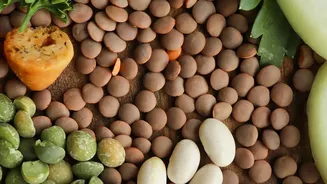
Iron is a vital mineral that helps carry oxygen in your blood and keeps you energetic. There are two types of dietary iron: heme and non-heme. Heme iron, found in meat, poultry, and fish, is easily absorbed by the body. Plant-based foods like lentils,
beans, spinach, and tofu contain non-heme iron. While abundant, non-heme iron is less bioavailable, meaning your body has a harder time absorbing it. In fact, your body absorbs up to 30 percent of heme iron, but only 2 to 10 percent of non-heme iron. This is because plant foods also contain compounds like phytates and tannins, found in grains, legumes, and tea, which can bind to iron and inhibit its absorption.
Vitamin C to the Rescue
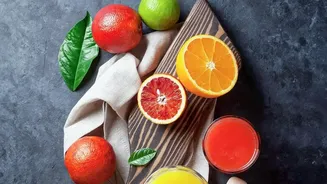
This is where Vitamin C, also known as ascorbic acid, works its magic. When you consume Vitamin C along with a source of non-heme iron, it triggers a crucial chemical reaction. Vitamin C is a powerful reducing agent, meaning it can donate electrons. It captures the non-heme iron and changes its chemical structure from its ferric (Fe3+) form to the ferrous (Fe2+) form. This ferrous form is much more soluble and readily absorbed by the cells in your intestine. Think of it as Vitamin C converting the iron into a VIP guest that gets escorted right past the velvet rope of your gut lining.
Can It Really Double Absorption?
The headline's claim of 'doubling' is bold, but not far from reality under the right conditions. The enhancement of iron absorption is directly proportional to the amount of Vitamin C you consume with your meal. Some studies have shown that as little as 100 milligrams of Vitamin C in a meal can increase iron absorption by over four times. Another meta-analysis found that it significantly boosts absorption on average, making the biggest difference in meals that are high in inhibitors like phytates. So, while 'doubling' is a convenient shorthand, the reality is that Vitamin C can cause a substantial, and often much greater, increase in how much plant-based iron your body actually gets to use. For those on a vegetarian or vegan diet, this is a game-changing strategy.
What About The Protein Connection?
The link between Vitamin C and protein is more about utilization than direct absorption. Vitamin C doesn't double the bioavailability of protein from the gut in the same way it does for iron. Instead, it's an essential cofactor in protein metabolism and synthesis within the body. Its most famous role is in the production of collagen, a crucial protein that makes up our skin, tendons, ligaments, and blood vessels. Vitamin C is required to help form the stable structure of collagen. So, while it won't necessarily help you absorb more protein from your dal or tofu, it is a vital partner that helps your body build and repair its own protein-based tissues once the amino acids are absorbed. Without enough Vitamin C, protein synthesis, especially for collagen, is impaired.
Smart Pairings for Your Plate
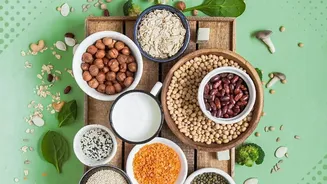
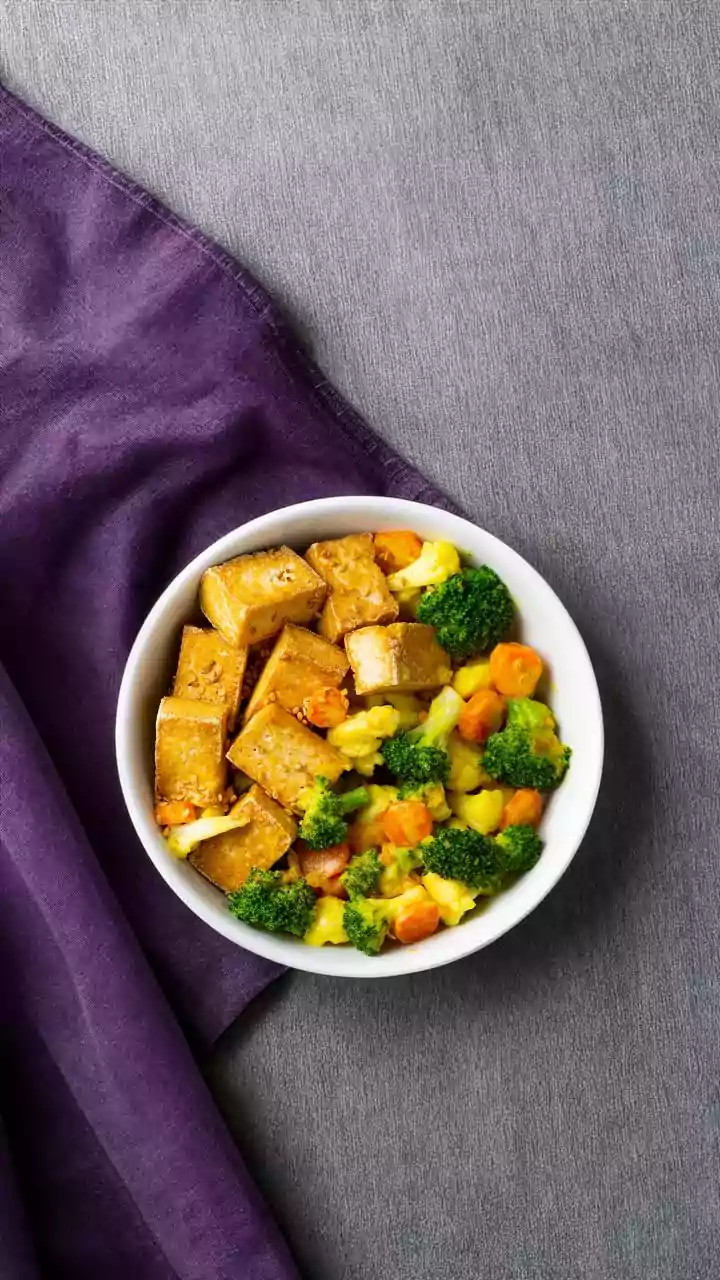
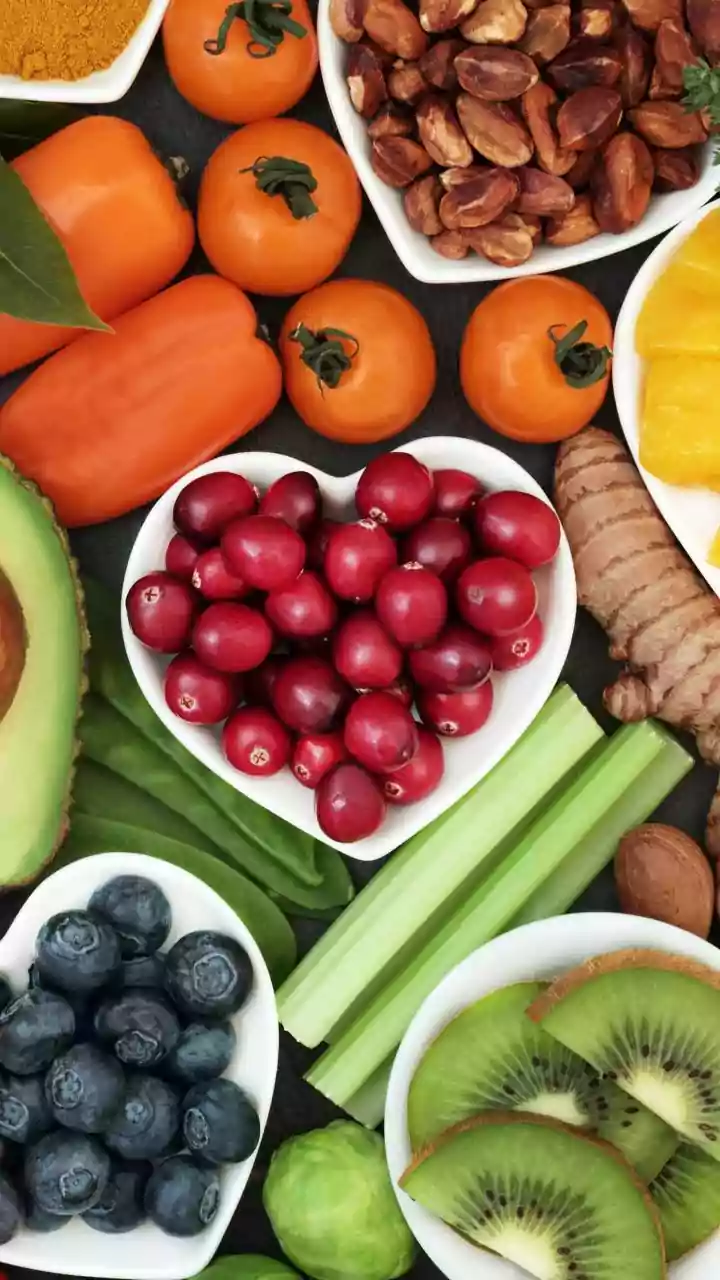
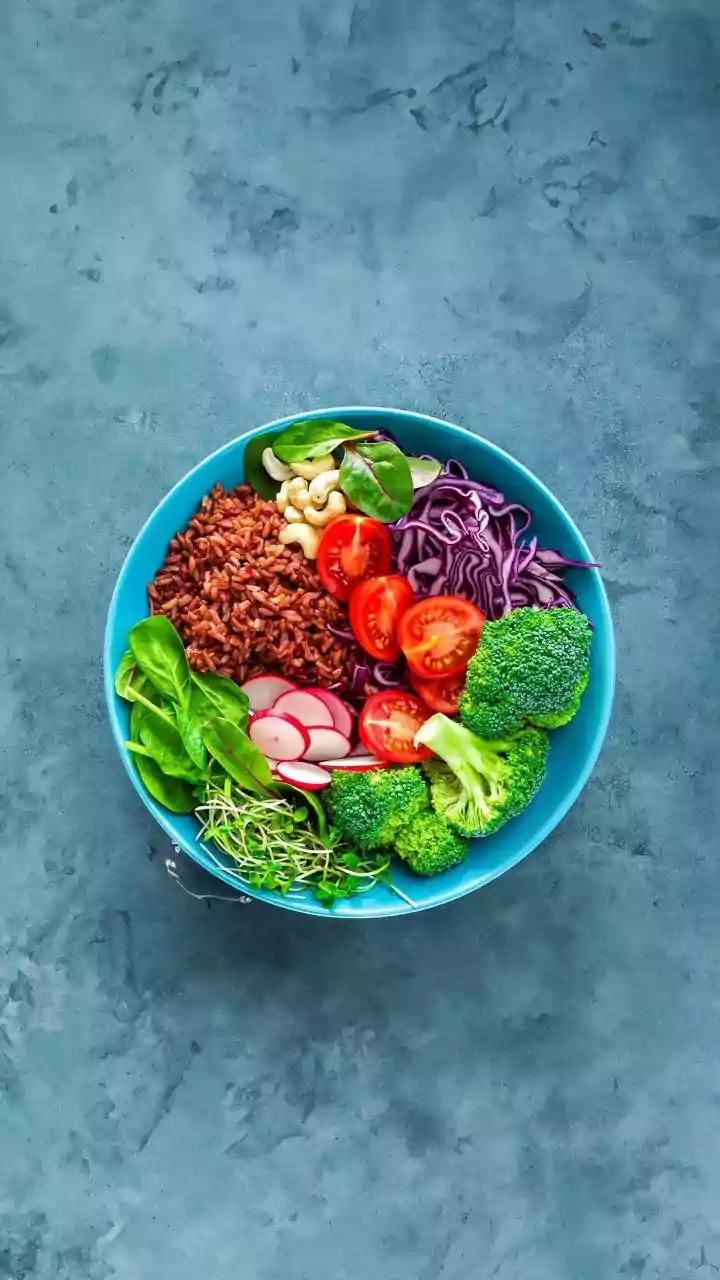
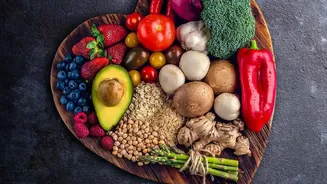
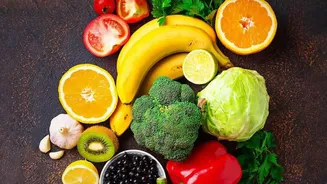
Making this science work for you is simple and delicious. The key is to combine iron-rich plant foods with Vitamin C-rich ones in the same meal. Here are some easy ideas relevant for an Indian kitchen: Dal and Lemon: Squeeze a generous amount of fresh lemon juice over your bowl of lentils or dal. Lentils are packed with iron, and the lemon provides the Vitamin C. Palak Paneer with Tomatoes: Spinach (palak) is a classic source of non-heme iron. Cooking it in a tomato-based gravy adds a significant dose of Vitamin C. Chickpea Salad with Bell Peppers: Combine boiled chickpeas (chana) with chopped red and yellow bell peppers, onions, and a citrus dressing. Bell peppers are an excellent source of Vitamin C. Amla on the Side: Having a piece of amla (Indian gooseberry), one of the richest natural sources of Vitamin C, with your meal can significantly boost iron absorption. * Bean Burritos with Salsa: Kidney beans (rajma) are a great iron source. Pairing them with fresh tomato salsa provides the necessary Vitamin C boost.