



A New Balance of Power in Washington
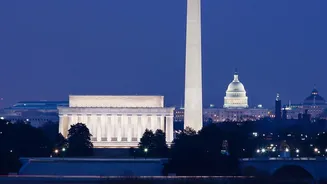
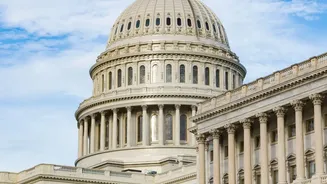
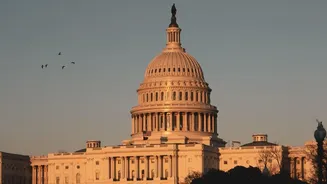
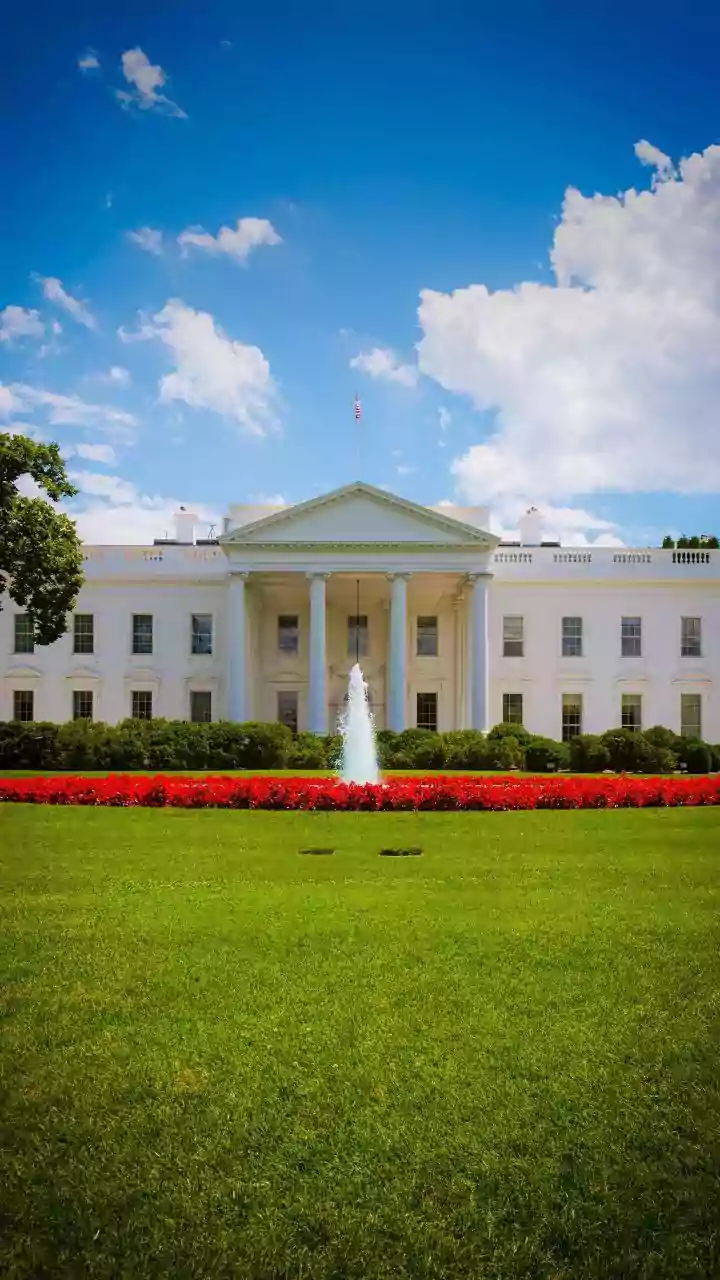
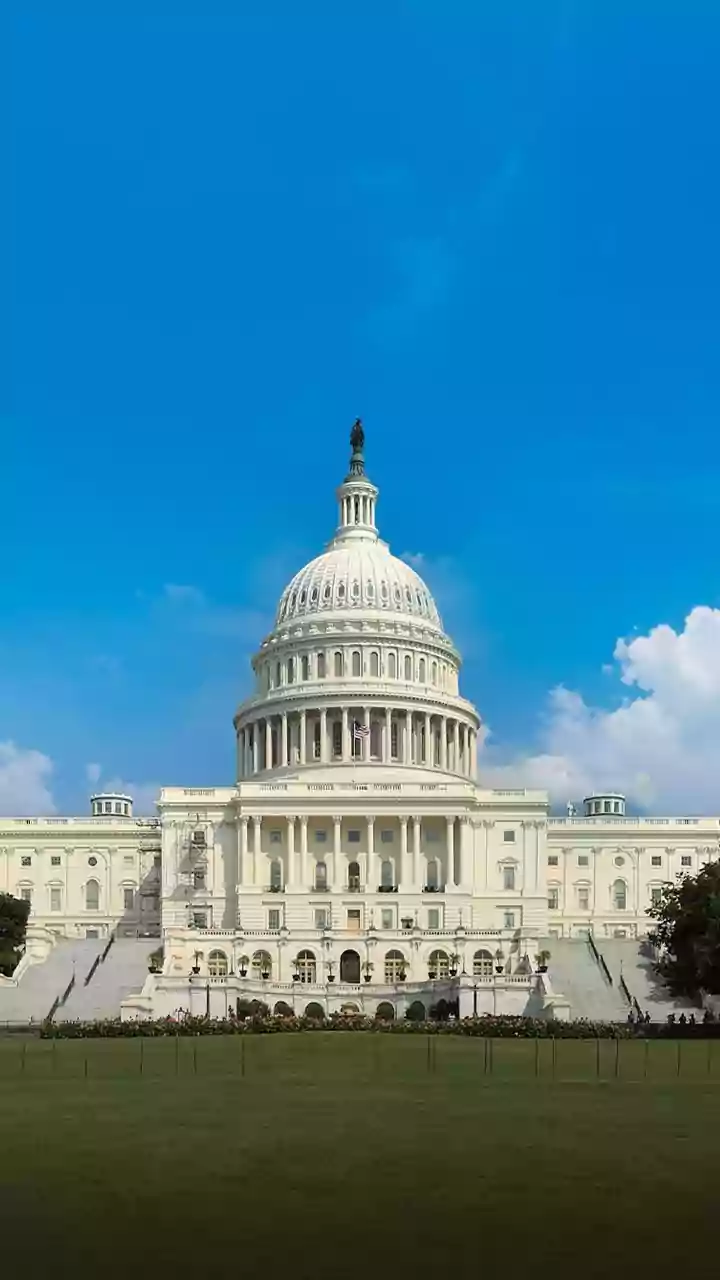
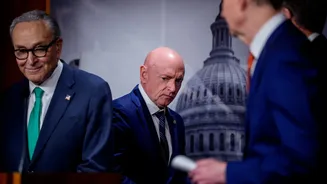
The immediate outcome of the midterm elections is a shift in the control of Congress, creating a divided government. For the next two years, the White House and the legislative branch will be controlled by opposing parties. This matters immensely for
foreign policy because while the President directs diplomacy and acts as commander-in-chief, Congress controls the country's finances. This 'power of the purse' allows lawmakers to approve, restrict, or block funding for everything from foreign aid to military operations and State Department initiatives. A divided government often leads to increased oversight, with congressional committees launching investigations and demanding testimony from administration officials, which can slow or alter policy implementation. This new dynamic sets the stage for potential gridlock but also forces negotiation and compromise on issues where interests might overlap.
The Persistent 'America First' Shadow
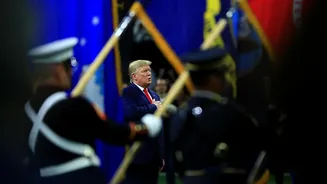
Donald Trump’s influence on the Republican party’s foreign policy did not end with his presidency and remains a potent force. His 'America First' doctrine, which questions the value of long-standing alliances and favors transactional relationships, continues to shape the views of many Republican voters and lawmakers. While some traditional conservatives support a more internationalist approach, including robust national defense and confronting adversaries, the 'America First' wing introduces a consistent element of unpredictability. This internal division within the party can lead to inconsistent messaging and actions. For instance, public sentiment on continued aid for Ukraine has become a point of friction among conservatives, with some questioning the high cost while others advocate for a strong stance against Russian aggression.
Flashpoint: The Future of Ukraine Aid
Support for Ukraine has largely enjoyed strong bipartisan backing since the conflict began. However, with a new Congress, particularly one where some members are skeptical of 'blank checks', the process of approving aid is likely to face more scrutiny. While many lawmakers in both parties see US support as crucial for Ukraine's security, debates over the level of funding and oversight mechanisms are expected to intensify. The new majority in Congress has signaled that aid to Kyiv is a priority and may be able to muster enough votes to overcome potential vetoes on new assistance packages. Nevertheless, any delay or contentious debate over funding sends a signal of wavering commitment, a development that both allies in Europe and adversaries in Moscow will watch closely.
Consensus and Conflict on China
One of the rare areas of broad agreement in Washington has been the need for a tougher policy on China. This bipartisan consensus views Beijing as the foremost geopolitical competitor to the United States. Both parties have supported measures to counter China's military modernization, address unfair trade practices, and limit its access to high-end technology. However, this consensus is not absolute. Fissures exist over tactics, with Democrats often favoring working through alliances while some Republicans prefer unilateral pressure. A divided government will likely continue this firm stance, with Congress pushing legislation on issues like technology export controls, but the specifics of the strategy could become a source of debate between the White House and lawmakers.
Allies Brace for Unpredictability
For US allies, particularly in Europe and the Indo-Pacific, the most significant consequence of the midterms is heightened uncertainty. Predictability is the cornerstone of strong alliances, and a divided American government can make consistent policy difficult to maintain. A president facing domestic opposition may turn their focus even more intensely to foreign affairs, where they have more executive authority, potentially leading to more adventurous or erratic actions. Allies will be looking for signs of stability, but the combination of a politically constrained White House and the lingering influence of 'America First' ideology means the next two years of US foreign policy are likely to be turbulent, forcing other nations to navigate a more complex and less reliable global landscape.