



A Five-Year Standstill
According to the latest assessment from Climate Action Tracker, released during the UN climate conference in Antalya, Türkiye, progress on curbing global warming has flatlined for the last five years. While the first five years after the landmark 2015
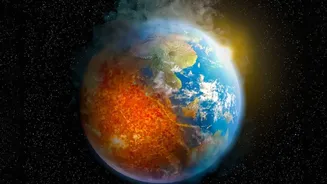
Paris Agreement saw initiatives that trimmed a full degree Celsius from warming projections, recent efforts have been cancelled out by a lack of follow-through and contradictory policies. The result is a dangerous stalemate. Even if all current national pledges are met, the planet is on a trajectory to warm by 2.6°C this century, a level that scientists warn would bring catastrophic consequences.
Why 1.5°C Is The Critical Line
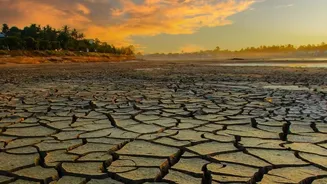
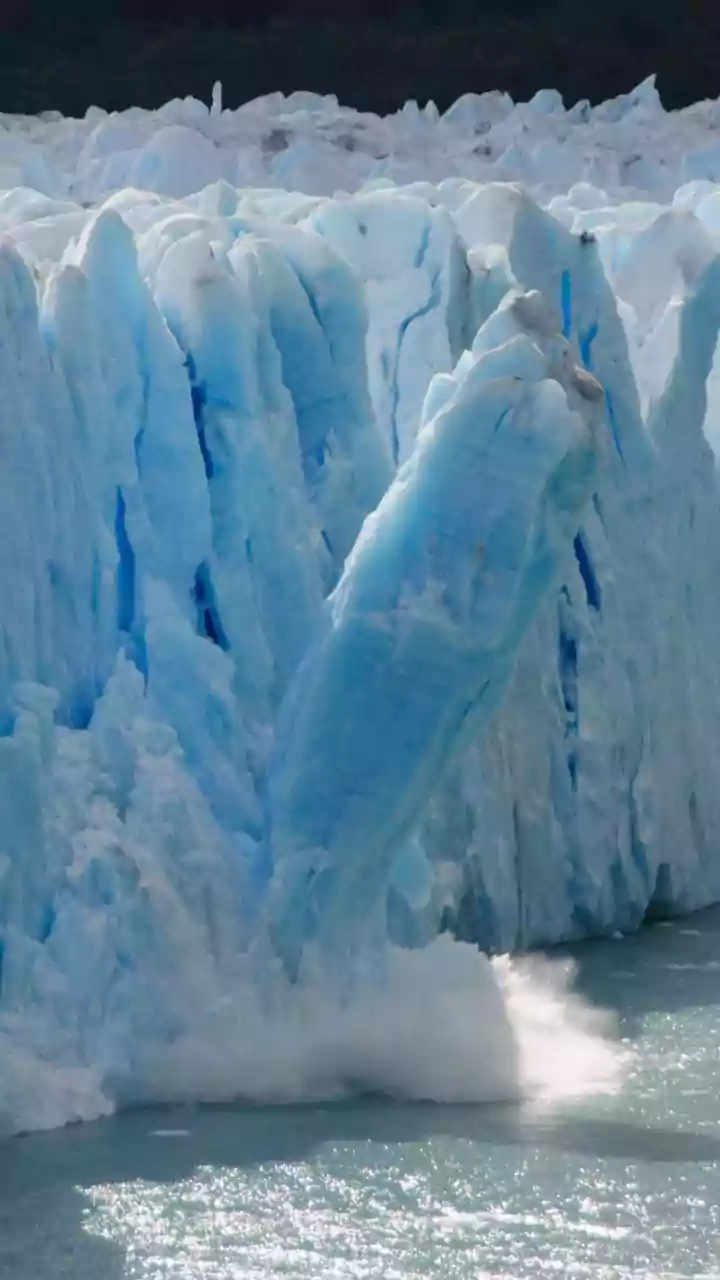
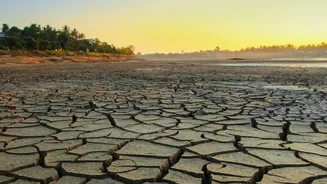
The Paris Agreement's goal to limit global warming to 1.5°C above pre-industrial levels is not an arbitrary number; it is a crucial guardrail against the most devastating and irreversible impacts of climate change. Beyond this threshold, the risks of extreme heatwaves, droughts, widespread crop failure, and collapsing ecosystems increase dramatically. For a nation like India, with its vast coastline and reliance on monsoon-fed agriculture, the difference between 1.5°C and 2°C of warming is profound, affecting water security, food production, and the health of millions. Scientists warn that exceeding 1.5°C, even temporarily, could trigger tipping points, like the rapid melt of polar ice sheets, leading to irreversible sea-level rise.
An 'Inevitable' Overshoot
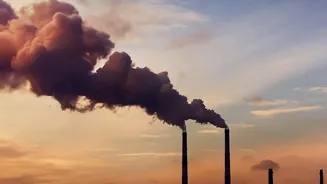
The latest UN Environment Programme (UNEP) Emissions Gap Report delivered a stark verdict even before the Türkiye summit: an 'overshoot' of the 1.5°C target is now essentially unavoidable. The conversation among scientists and policymakers is shifting from preventing the overshoot to minimizing its duration and magnitude. The world is currently emitting around 40 billion tonnes of CO2 per year, and at this rate, the carbon budget to stay under 1.5°C will be exhausted in just a few years. The new goal is to limit peak warming to between 1.7°C and 1.8°C and then rapidly deploy measures to bring the temperature back down by 2100. However, experts caution that this is not a 'get out of jail free' card, as some impacts, such as species extinction and sea-level rise, cannot be reversed.
The Role of Host Nation Türkiye
As the host of COP31, Türkiye is under a particular spotlight. The nation has positioned the summit as an 'Implementation COP', focused on turning climate pledges into tangible investments and projects. However, reports indicate a contradiction in its own policies. While Türkiye has made impressive strides in renewable energy, it also became Europe's largest producer of coal_fired electricity in 2024 and continues to invest in fossil fuel exploration. Furthermore, a recent UN report noted that Türkiye was among the G20 economies whose emissions increased in 2025, and its climate targets are not ambitious enough to drive significant new reductions. This has led to questions about its credibility in leading global climate efforts.
What Must Happen Now
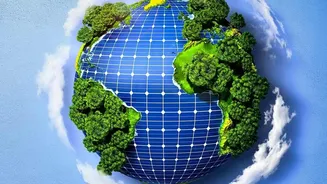
The message from the scientific community is unequivocal: deep, rapid, and sustained emissions cuts are required immediately. The latest reports call for a tripling of renewable energy capacity and a 75% cut in coal_fired electricity generation by 2035 to have a chance of limiting the overshoot. This requires unprecedented political will and a fundamental shift in the global energy system. For developing nations, this transition is impossible without adequate climate finance from developed countries, an area that reports consistently find is falling drastically short of the needed hundreds of billions per year. The summit in Antalya is seen as a critical moment for nations to strengthen their commitments and bridge the massive gap between promises and reality.