


An Unwritten Monsoon Rule
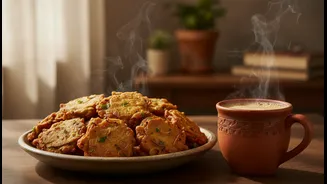
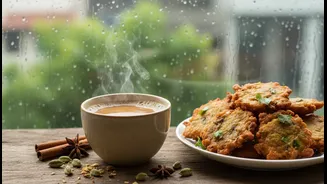
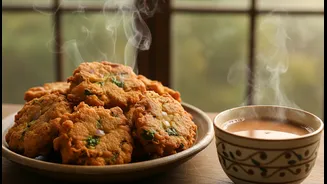
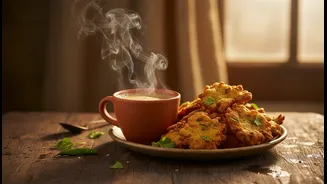
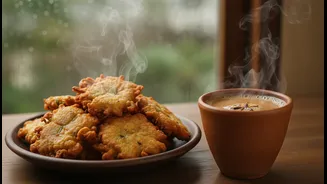
It happens like clockwork. The sky darkens, the temperature drops, and the earthy scent of petrichor fills the air. Almost instantly, a singular thought emerges in millions of households: it’s time for chai and pakoras. This isn't just a casual snack
suggestion; it feels like an instinct, an unwritten rule of the Indian monsoon. The pairing is so deeply woven into the season's fabric that the craving can feel automatic, a Pavlovian response to the sound of thunder or the sight of grey clouds. This near-universal experience isn't merely about food; it's a complex interplay of sensory triggers, psychological comfort, and cherished cultural traditions that come alive with the rains.
The Comfort of Contrast
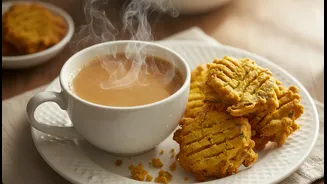
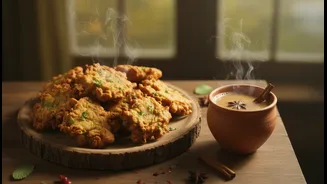
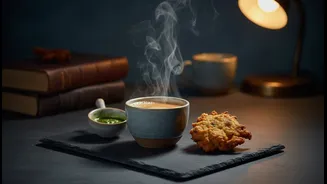
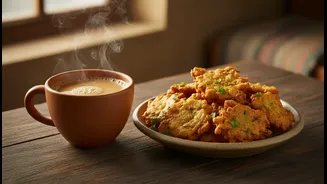
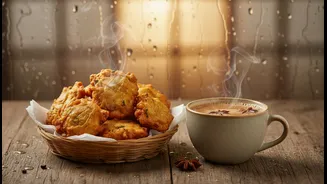
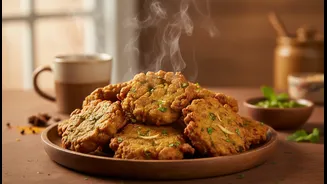
There's a simple science to why warm, fried food feels so right when it's cool and damp outside. Psychologists note that people naturally gravitate towards foods that provide physical and psychological warmth during cooler weather. A steaming cup of masala chai warms your hands, while hot, crispy pakoras fresh from the pan offer a satisfying contrast to the humid, gloomy atmosphere. The crunch of a freshly fried snack is a textural delight against the sogginess of the season. This craving is also partly physiological. Cooler temperatures can increase our appetite for calorie-dense foods, a historical impulse to stock up on energy. The combination of carbohydrates and spices can also trigger the release of serotonin, a neurotransmitter linked to happiness, helping to combat the gloominess that can sometimes accompany rainy weather.
A Taste of Nostalgia
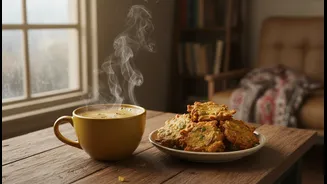
More than anything, the monsoon craving is a craving for memory. For many Indians, the taste of chai and pakoras is inextricably linked to childhood. It evokes memories of cancelled outdoor plans, gathering with family by a window to watch the rain, and the comforting sounds and smells of the kitchen. Psychologists refer to this as associative learning; when two experiences, like rain and comforting food, repeatedly occur together, one becomes a trigger for the other. The snack isn't just a snack; it's a vehicle for nostalgia. It recalls conversations that stretched for hours, the joy of unexpected school holidays, or the simple comfort of being taken care of. What you’re often craving isn't just the food, but the feeling that came with it.
A Ritual of Togetherness
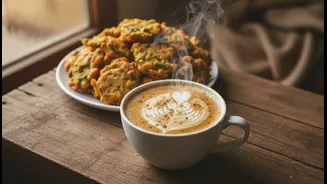
Chai in India is more than a beverage; it is a symbol of hospitality, community, and connection. It’s offered to guests as a gesture of welcome and shared among friends and family to foster conversation and bonding. The monsoon amplifies this ritual. The act of preparing and sharing chai and pakoras becomes a social event in itself. Families gather, friends stop by unannounced, and colleagues take a break to share a plate of bhajiyas from a roadside stall. This tradition transcends regional boundaries, with every part of the country having its own favourite rainy-day fritter, from kanda bhajji in Maharashtra to telebhaja in Kolkata. Yet, the spirit remains the same: the rain provides a reason to slow down, connect, and share a moment of simple joy.