




The Key to Entry: Securing Your Inner Line Permit
Before you even think about packing, your first step is obtaining an Inner Line Permit (ILP). This is a mandatory document for all Indian citizens who are not residents of Arunachal Pradesh. The permit system is in place to protect the state's unique
tribal cultures and regulate entry into a sensitive border region. Fortunately, the process has become straightforward. The easiest way is to apply for an eILP online through the official government portal. You will need a digital copy of a passport-sized photograph and a valid photo ID like an Aadhaar card or passport. The application requires you to specify the districts you plan to visit—make sure to list Ziro (in Lower Subansiri district)—and your intended travel dates. The fee varies based on the duration of your stay. Once approved, usually within a day or two, you can download and print the permit, which you must carry at all times during your trip.
Why Ziro is a Special Responsibility
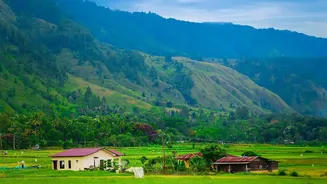
Ziro Valley isn't just another pretty destination; it's a living cultural landscape. It is the home of the Apatani people, whose remarkable agricultural system is so unique it's on the tentative list for UNESCO World Heritage status. Their method involves cultivating rice and rearing fish in the same irrigated fields, a brilliant model of sustainability that has been perfected over centuries without the use of machinery. Traveling here comes with the responsibility to preserve this delicate balance. The regulations and guidelines are not meant to be restrictive but to ensure that tourism remains a positive force, contributing to the local economy without eroding the culture or the environment that makes Ziro so extraordinary. Your visit is an opportunity to witness and support one of India's most fascinating indigenous cultures.
Guidelines for a Sustainable Stay
Sustainable travel in Ziro goes beyond just avoiding litter. It's about a conscious effort to respect the local way of life. Start by minimizing your plastic footprint; carry a reusable water bottle and refuse single-use plastics, as waste management is a challenge in remote regions. Always ask for permission before taking photographs of people, their homes, or their rituals. The Apatani people are welcoming, but their privacy must be respected. Support the local economy directly. Buy authentic, locally made handicrafts like cane and bamboo products instead of mass-produced souvenirs. Conserve resources like water and electricity, which are precious in the mountains. By following these simple principles, you help ensure that Ziro's pristine environment and rich cultural fabric remain intact for future generations.
The Homestay Experience: Your Window into Apatani Life
To truly experience Ziro, skip the conventional hotels and opt for a homestay. Staying with an Apatani family is the most authentic way to immerse yourself in the local culture. These homestays offer a direct glimpse into the daily rhythms of village life, from the food they eat to the structure of their bamboo homes. You’ll be treated to home-cooked meals made with fresh, local ingredients, offering a delicious education in Apatani cuisine. More importantly, homestays ensure your money directly supports the local community, empowering families and contributing to the preservation of their heritage. Many homestays are simple, clean, and run by warm, hospitable hosts eager to share their world with you.
Finding and Booking Your Homestay
Booking a homestay in Ziro can be part of the adventure. While some are now listed on online travel portals like Booking.com and Agoda, many are still run informally. Local tour operators and tourism organisations in Ziro, like Ngunu Ziro, often facilitate homestay bookings and can help you find a suitable place. If you're visiting during the popular Ziro Music Festival, it's crucial to book months in advance, as accommodation fills up rapidly. For the rest of the year, you have more flexibility. When you book, you're not just securing a room; you're arranging an experience. Expect simple comforts, shared facilities in some cases, and a priceless opportunity for genuine cultural exchange that a hotel could never offer.