



The Nutritional Power of Millets
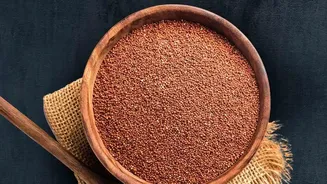
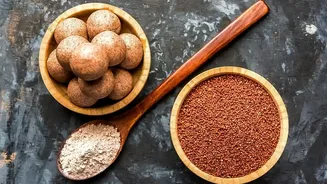
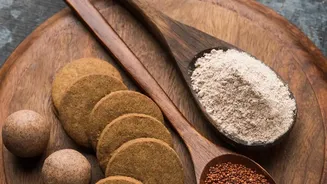
For generations, ragi (finger millet) and bajra (pearl millet) were staples in Indian households before refined wheat flour became commonplace. Their resurgence is driven by a renewed focus on wellness. Both flours are naturally gluten-free, making them
an excellent choice for those with sensitivities. Ragi stands out for its exceptionally high calcium content, which is vital for bone health. Bajra, on the other hand, is a powerhouse of iron, protein, and magnesium. What they share is a high concentration of dietary fiber. This fiber aids digestion, promotes a feeling of fullness to help with weight management, and can help in regulating blood sugar levels, making them a smart choice for a balanced diet.
Understanding Texture, Taste, and Aroma
Before you start baking, it’s important to understand how these flours behave. Ragi has a distinct, somewhat earthy flavour and lends a dense, hearty texture to baked goods. Its reddish-brown colour will also darken your creations, resulting in rich, chocolatey-looking cakes and cookies. Bajra has a nuttier, slightly bitter taste and creates a texture that can be crumbly if not handled correctly. Both flours are more absorbent than wheat flour and lack gluten, the protein that gives wheat-based dough its elasticity. This means they require different techniques to achieve soft, delicious results.
Golden Rules for Millet Baking Success
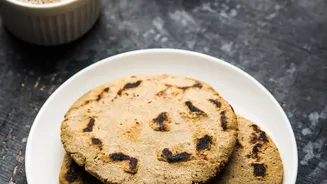
Baking with ragi and bajra is more of an art than an exact science, but a few guidelines can set you up for success. First, don't substitute them 1:1 for wheat flour, especially if you are a beginner. A good starting point is to replace 25-30% of the regular flour in a recipe with millet flour. Since they are gluten-free, you need a binding agent. For bread and rotis, mixing in some whole wheat flour or using hot water can help create a more pliable dough. For cakes, cookies, and pancakes, ingredients like eggs, curd, mashed bananas, or even flaxseed powder can provide the necessary structure and moisture. Be prepared to add a little extra liquid, as these flours absorb more moisture, which can otherwise lead to dry and dense outcomes.
Perfect Pairings to Enhance Flavour
The robust flavours of ragi and bajra pair wonderfully with certain ingredients that enhance their natural taste. Natural sweeteners like jaggery and dates complement their earthy notes far better than refined sugar. Spices such as cardamom, cinnamon, and ginger add warmth and complexity, cutting through the density of the millets. In savoury preparations like masala rotis or cheelas, onions, fresh coriander, and green chillies bring a burst of freshness. For richer desserts like cakes and brownies, cocoa powder is an excellent partner for ragi, creating a deep, satisfying chocolate flavour that is both healthy and indulgent.
Easy Swaps for Everyday Favourites
Incorporating these flours doesn't require you to learn a whole new set of recipes. Start by making simple swaps. Add a portion of ragi or bajra flour to your regular atta when making chapatis for an instant nutrient boost. Whisk some millet flour into your pancake or dosa batter for a heartier breakfast. When making cookies or muffins, start by substituting a quarter of the all-purpose flour. You’ll find they lend a wonderfully rustic texture and a satisfying, nutty flavour. Even brownies and simple cakes can be made healthier by blending millet flours with other flours like almond or oat for a soft, moist crumb.