





The Soul of the Brew: Nilgiri Tea
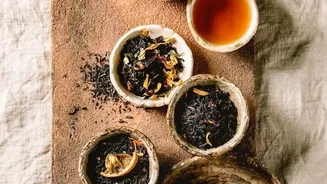
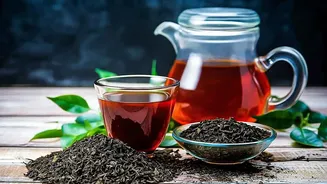
The foundation of this exciting new beverage trend is a classic: Nilgiri tea. Grown in the mist-covered slopes of the Western Ghats, this tea is often called the ‘hidden gem’ of Indian teas. Unlike the bold, malty character of Assam or the delicate, muscatel
notes of Darjeeling, Nilgiri tea is celebrated for its bright, clean, and incredibly fragrant profile. It boasts a brisk, full-bodied flavour with distinct floral and fruity notes. A key characteristic that makes it perfect for this modern twist is its low concentration of tannins. This means it rarely becomes bitter, even when brewed for a long time, and it has the unique quality of remaining crystal clear when chilled, making it an ideal base for iced and cold-brewed drinks.
The Cold Shoulder Treatment
So, why cold brew? The technique of steeping tea leaves in cold water over several hours, rather than minutes in hot water, fundamentally changes the flavour and composition of the drink. The slow, gentle extraction process pulls fewer tannins from the leaves, resulting in a beverage that is noticeably smoother, naturally sweeter, and less astringent. This means there is far less need for added sugars or sweeteners to mask any bitterness. Furthermore, the cold-brewing process extracts less caffeine, offering a milder, more sustained energy boost without the potential for jitters. Some studies even suggest that cold brewing can preserve or even enhance the antioxidant levels in the tea, adding a wellness dimension to its refreshing taste.
A Celebration of Local Flavours
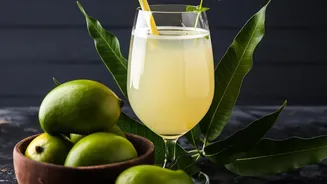
What truly sets these artisanal blends apart is the creative use of local Indian fruits. This is part of a larger, exciting trend in the Indian beverage market where both large companies and craft producers are turning to the country's rich agricultural diversity for inspiration. Instead of generic lemon or peach, imagine Nilgiri cold brew infused with the sweet tang of jamun, the sour-sweetness of kokum, the floral notes of litchi from West Bengal, or the unique aroma of bael. Small-batch creators are pairing the crispness of Nilgiri tea with regional heroes like the Khasi mandarin or juicy pomelo from the Northeast. This approach not only creates unique, delicious flavour profiles that resonate with the Indian palate but also supports local farmers and promotes sustainable agriculture. It’s a move away from artificial syrups and towards authentic, recognizable ingredients.
The Artisanal and Low-Sugar Promise
The words ‘artisanal’ and ‘low-sugar’ are at the heart of this movement, signalling a significant shift in consumer preferences. Today's drinkers are more health-conscious and ingredient-savvy than ever before. They are actively seeking out products with transparent labels and rejecting mass-produced drinks laden with refined sugars and artificial additives. Artisanal producers are meeting this demand by focusing on small-batch production, which allows for greater quality control and experimentation. By highlighting the natural sweetness of both the cold-brewed tea and the infused fruits, these brands can dramatically reduce or eliminate the need for added sugar. This taps directly into a growing market for 'better-for-you' beverages that don’t compromise on flavour, offering a guilt-free indulgence that is both sophisticated and satisfying.