




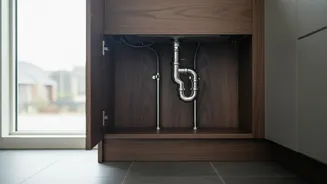

The Foundation: Focus on Leaks First
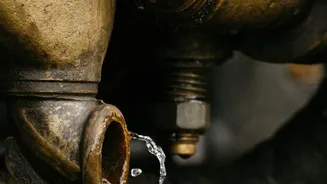
Water is the enemy of profit in a rental property. A proactive maintenance plan must therefore start with leaks, the most common and often hidden source of significant damage. The goal is to shift from expensive reactive repairs to a predictable schedule
of preventative checks. Your calendar should schedule leak inspections on a quarterly basis, with an additional check after heavy monsoon rains. Key areas include under sinks in kitchens and bathrooms, around toilet seals, and near water heaters. A simple but effective test for a leaking toilet is to add a few drops of food colouring to the tank; if the colour appears in the bowl without flushing, you have a leak that needs fixing. Also, regularly inspect the seals and caulking around windows and doors to prevent water intrusion during storms.
The Next Layer: Hunt for Damp Spots
Damp spots on walls and ceilings are red flags that point to underlying issues like hidden leaks or poor ventilation. These should be inspected seasonally, particularly before and after the monsoon season to catch problems early. Pay close attention to corners, areas near air conditioning units, and any walls that are shared with bathrooms. During the monsoon, high humidity can cause wooden doors and furniture to swell and warp, so ensuring good ventilation is key. Using dehumidifiers and encouraging airflow can prevent the growth of mould and protect interior finishes. Any signs of dampness, peeling paint, or a musty smell warrant immediate investigation to find the moisture source before it leads to greater structural issues.
Expanding to Drains: Prevent Clogs and Backups
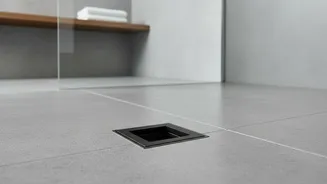
Once your leak and dampness checks are scheduled, the next logical step is drain maintenance. Clogged drains are a frequent tenant complaint and can lead to unpleasant backups and water damage if ignored. A monthly check of all drains—in the kitchen, bathrooms, and balconies—is a good practice. Encourage tenants to report slow drains immediately. At every tenant turnover, it’s wise to clean the sink traps to remove any hair or soap build-up. For a more thorough approach, schedule a professional cleaning of the main sewer line every one to two years. Techniques like high-pressure water jetting can effectively clear grease and other build-up from the entire drain line, preventing major blockages that could flood the property.
Structuring Your Annual Calendar
With the core water-related tasks identified, you can now structure your calendar. A simple and effective way to organise is by frequency. Monthly: Check for slow drains and test smoke detectors. Quarterly: Conduct a thorough leak inspection under all sinks, around toilets, and near water heaters. Inspect silicone sealing around windows and showers. Clean HVAC filters to ensure efficient operation. Seasonally (Pre- & Post-Monsoon): This is a critical time for Indian properties. Before the rains, inspect the roof, clear gutters, check for cracks on external walls, and ensure all drainage systems are clear. After the monsoon, check for any water intrusion or damp patches. Annually: Schedule professional servicing for major systems like the HVAC, water heater, and main drain lines. Conduct a full electrical audit and renew pest control contracts.
Beyond Water: Completing Your Maintenance Plan
While a water-centric plan is the strongest foundation, a truly comprehensive calendar includes other essential systems. Once you have your water-related schedule locked in, layer in these other crucial checks. Regular electrical safety inspections by a licensed electrician can prevent hazards, especially during the monsoon. Annual pest control is vital, particularly in hot and humid climates, to prevent infestations that can deter tenants. Don't forget major appliances; an annual tune-up for the air conditioner before summer can prevent breakdowns during peak heat. Also, check fire extinguishers and test all smoke and carbon monoxide detectors, replacing batteries as needed. These additions round out your plan, turning it into a powerful tool for preserving your property’s value.