





The Myth of 'Prep Time'
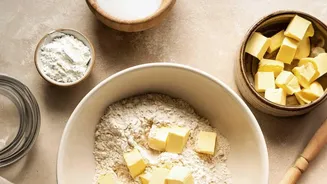
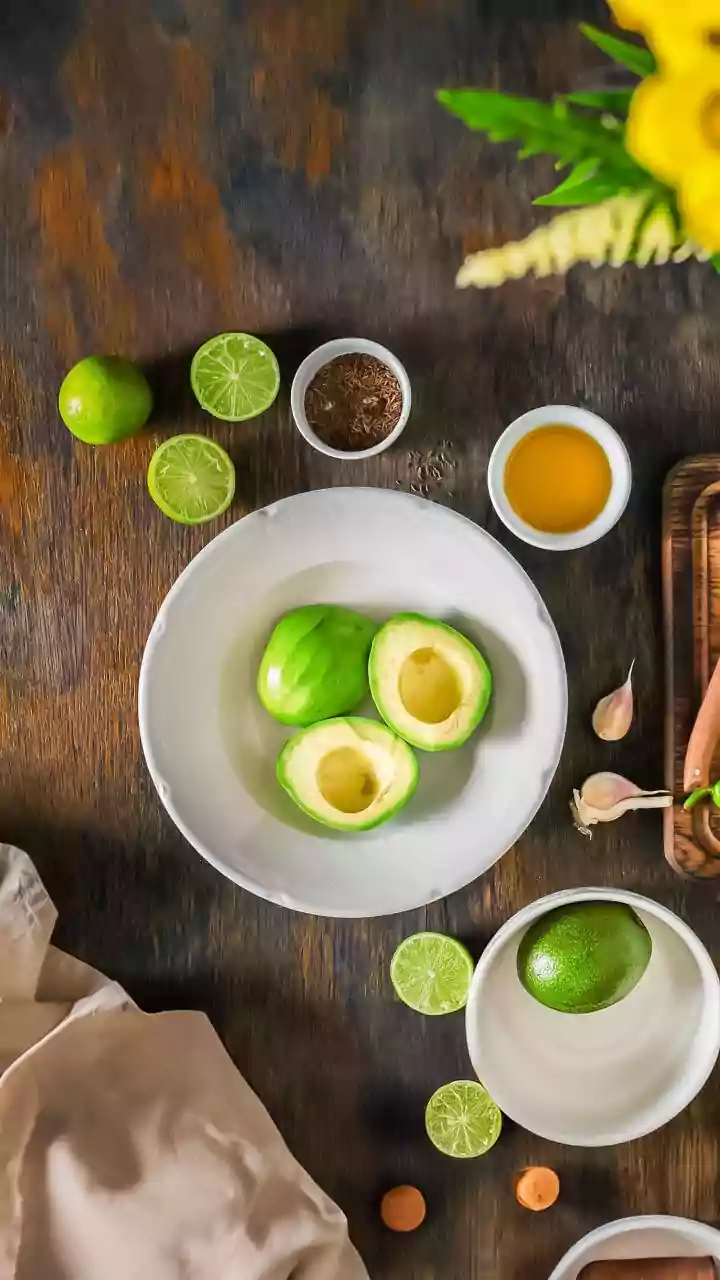
When a recipe lists a “prep time,” it often makes a huge assumption: that you’re starting with all your ingredients already gathered, measured, and prepared. This professional kitchen practice is called “mise en place,” a French term meaning “everything
in its place.” Recipe developers typically start their timer after the onions are chopped, the spices are measured, and the cans are opened. They don't include the time it takes to find that can of beans in the pantry, wash the vegetables, or bring butter to room temperature. Their prep time is purely for the assembly and mixing described in the instructions, assuming the foundational work is already complete.
Understanding Total Project Time
To get a realistic estimate, you need to think like a project manager, not just a cook. Your “Total Project Time” in the kitchen has four key phases: setup, active cooking, passive time, and cleanup. The recipe usually only gives you the “active cooking” part. Setup involves reading the recipe thoroughly, gathering tools, and doing all the chopping and measuring. Active cooking is when you’re sautéing, stirring, or flipping. Passive time includes waiting for water to boil, an oven to preheat, or a roast to rest. Finally, cleanup is the washing of every bowl, board, and utensil you used. Ignoring these other phases is why a simple dish can derail your evening schedule.
How to Estimate Your Real Duration
Before you even turn on the stove, read the recipe from start to finish. Twice. Mentally walk through the steps, imagining yourself doing them in your own kitchen. As you read, look for every action verb: chop, dice, mince, measure, zest, whisk. This is your true prep list. Be honest about your own skills; if you're not a lightning-fast chopper, give yourself a buffer. A good rule of thumb is to double the stated prep time as a starting point. Then, look for passive waiting periods. Can you prep vegetables while the oven preheats? Can you wash the first batch of prep bowls while the sauce simmers? Overlapping these tasks is the key to kitchen efficiency.
Factoring in Kitchen Variables
Even with perfect planning, your kitchen has its own personality. The time it takes to boil a pot of water depends on the power of your stovetop and the pot's size. Ovens can have hot spots or run slightly cooler or hotter than the dial suggests, affecting baking and roasting times. Your skill level and familiarity with a recipe also play a huge role; the first time you make something, it will almost always take longer. Even altitude and the ambient temperature of your kitchen can alter cooking and proofing times. Rather than trusting the clock blindly, learn to cook to indicators like colour, texture, and internal temperature for more reliable results.
Making Peace with Cleanup
The final, and most often ignored, component of any recipe is the cleanup. A simple stir-fry might only use one pan, but it likely required a cutting board, a knife, several small bowls for your prepped ingredients, and measuring spoons. Instead of leaving it all for a monolithic task at the end, embrace the “clean as you go” philosophy. Have a sink of warm, soapy water ready. While something is simmering or roasting, take a few minutes to wash the prep bowls and cutting board. This breaks the work into manageable chunks and prevents a daunting pile of dishes from souring an otherwise enjoyable meal. By considering cleanup as part of the recipe’s duration, your total time in the kitchen becomes more predictable and far less stressful.