
A Shift in the Snacking Mindset
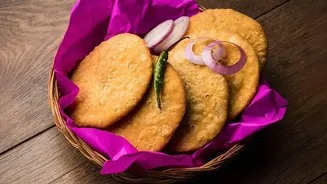
For generations, snacking in India was an act of simple indulgence. It was about the comfort of a warm pakora on a rainy day or the communal joy of sharing a plate of bhujia. These familiar, often fried, snacks are deeply woven into the country's cultural
fabric. However, a significant change is underway. An increasing number of Indians, particularly in urban areas, are viewing their snack choices through a different lens—one focused on health and nutrition. This isn't necessarily about abandoning traditional foods altogether, but about making more intentional choices. The shift reflects a broader cultural move towards preventive health, where diet is seen as a key pillar of long-term wellness.
The Drivers of Conscious Consumption
Several factors are fuelling this transformation. A growing awareness of lifestyle diseases like diabetes and obesity has made consumers more cautious about what they eat. This is especially true for urban millennials and Gen Z, who prioritise wellness and actively seek out products that align with their health goals. The boom in e-commerce and quick-commerce platforms has also made a wider variety of healthy options more accessible than ever before, even beyond major metropolitan areas. Consumers are now more likely to read ingredient labels, looking for clean-label products that are free from artificial colours, preservatives, and refined sugars. According to a 2026 report, a staggering 86% of surveyed consumers consider protein content an important factor when choosing a snack.
Defining the 'Better-For-You' Snack
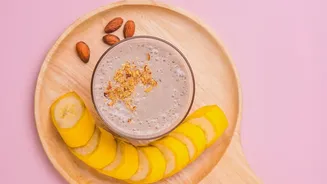
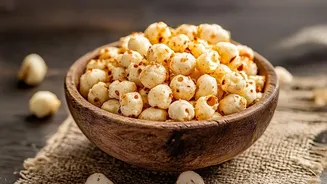
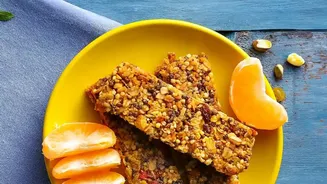
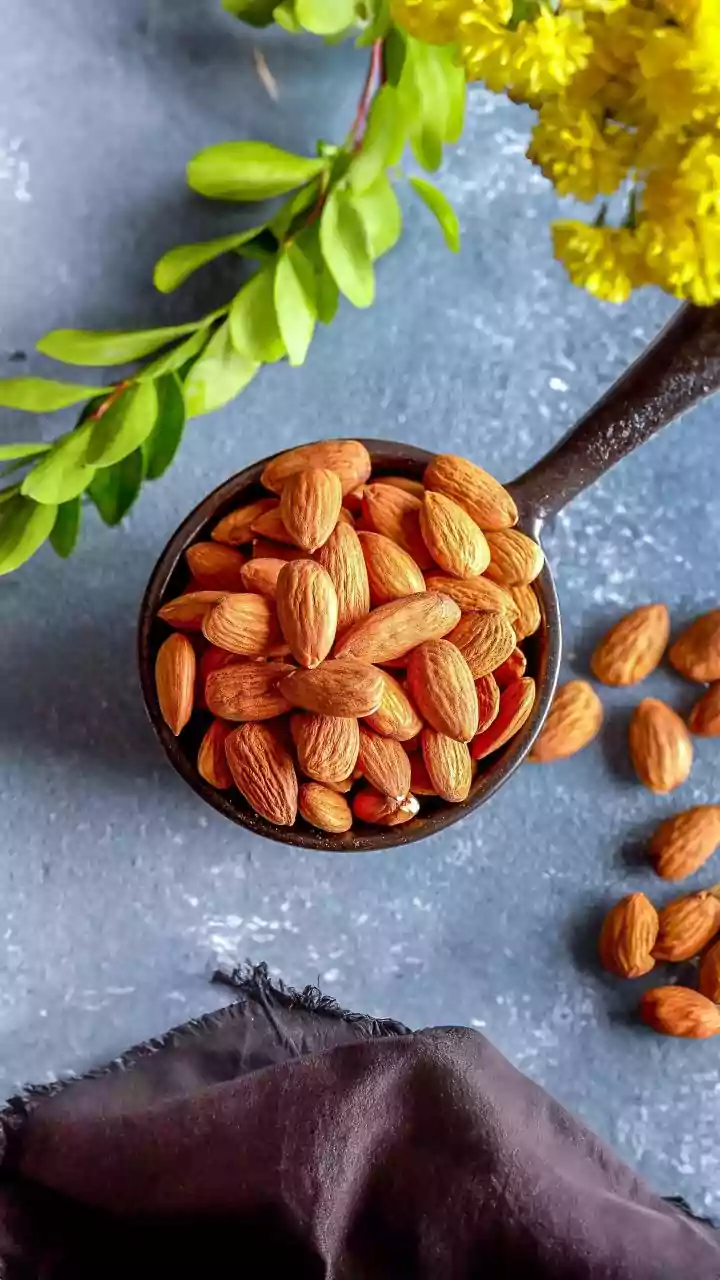
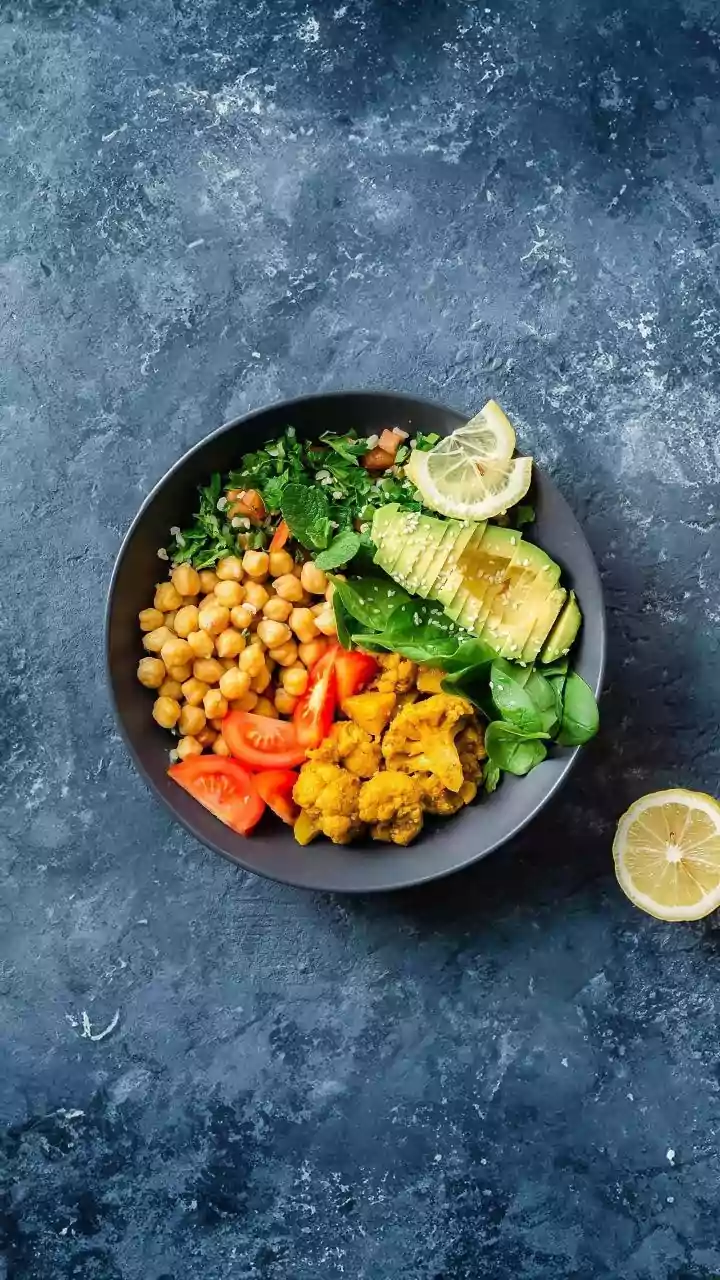
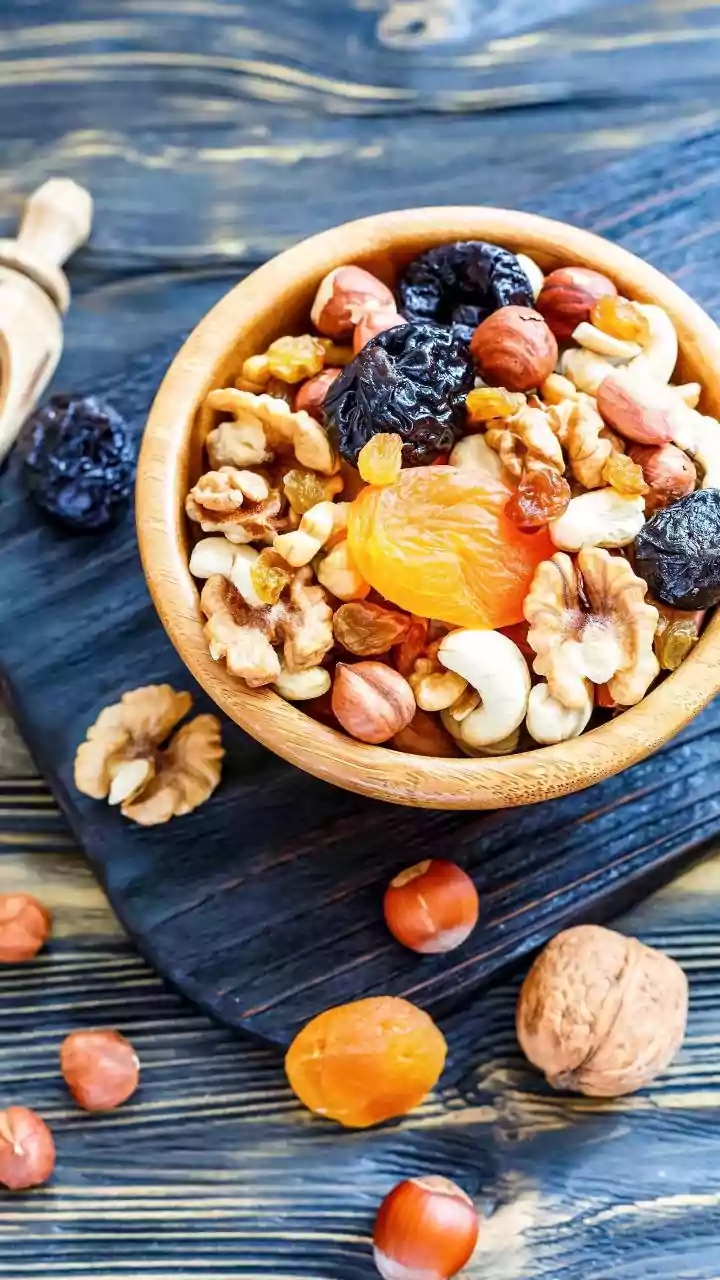
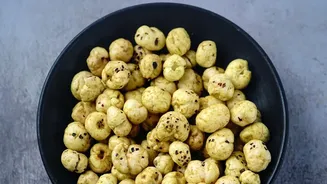
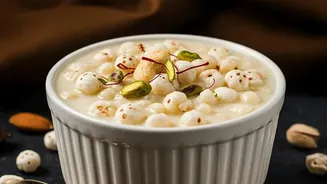
So, what are Indians snacking on instead? The 'better-for-you' category is broad and constantly evolving. It includes snacks that are baked, popped, or roasted instead of fried. Makhana (fox nuts), once primarily a food for fasting, has been repositioned as a mainstream, crunchy alternative to potato chips. Ancient grains are also making a major comeback. Millets like ragi, jowar, and bajra are now starring ingredients in everything from cookies and crackers to ready-to-cook mixes, valued for their fibre and nutritional profile. The market for millet-based packaged foods in India has seen explosive growth, skyrocketing in recent years. Other popular choices include nuts, seeds, protein bars, granola, and Greek yoghurt, all of which cater to the demand for functional foods that offer benefits beyond basic sustenance.
How the Market is Responding
This consumer-led movement has not gone unnoticed by the food industry. The Indian healthy food market is projected to grow significantly, with some estimates suggesting a compound annual growth rate of over 9% for the coming years. Both legacy food giants and a wave of new direct-to-consumer (D2C) brands are innovating to meet this demand. Traditional snack makers are launching baked versions of their popular products, while new entrants are building their entire brand around concepts of health, transparency, and natural ingredients. This competitive landscape is resulting in more choices for consumers, from ragi-based noodles to date-sweetened energy bars, all available with the tap of an app.