






A Modern Revival of Ancient Wisdom
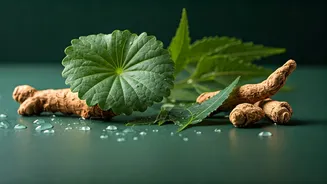
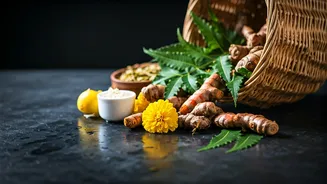
The foundation of this trend is a powerful reconnection with Indian heritage, specifically Ayurveda. For centuries, ingredients like turmeric, neem, sandalwood, and ashwagandha have been staples in traditional Indian wellness practices. What’s different
now is the packaging and positioning. This is not just about nostalgia; it’s about ‘premium Ayurveda’. Brands are translating these age-old remedies into sophisticated, stable, and luxurious products that appeal to the modern urban consumer. This revival is so significant that the Indian herbal beauty and skincare market, valued at USD 3.5 Billion in 2025, is projected to soar to over USD 11 Billion by 2034. This blend of cultural pride and modern convenience has created a potent formula for success.
The Global ‘Clean Beauty’ Wave Arrives
Alongside the return to tradition is a growing health consciousness, heavily influenced by the global ‘clean beauty’ movement. Indian consumers, especially in metros, are more informed and vigilant than ever about what they put on their skin. There is a rising awareness about the potentially harsh effects of synthetic ingredients like parabens, sulphates, and mineral oils. This has led to a significant shift in preference. According to one survey, a staggering 71% of Indian consumers prefer natural beauty products over synthetic ones. The demand is for transparency, safety, and formulations that are perceived as gentle and nourishing, making ‘natural’ and ‘toxin-free’ powerful drivers of purchasing decisions.
From Kitchen Remedies to Lab-Perfected Formulations
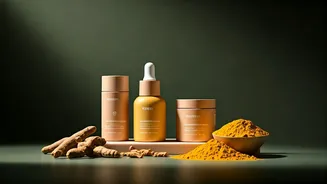
The current boom is not about simply bottling kitchen remedies. The most successful brands are creating innovative hybrid products. They masterfully fuse traditional botanical extracts with scientifically-backed active ingredients like hyaluronic acid, niacinamide, and Vitamin C. This fusion offers consumers the best of both worlds: the trusted, holistic benefits of Ayurveda and the proven efficacy of modern dermatology. This shift addresses a key consumer desire for products that are both culturally resonant and deliver visible results, moving beyond simple DIY pastes to clinically-refined serums and creams that fit seamlessly into a fast-paced urban lifestyle.
The Rise of the Digital Shelf
The rapid growth of these botanical brands would be unimaginable without the digital revolution. The direct-to-consumer (D2C) model has been a game-changer, allowing brands like Mamaearth, Wow Skin Science, and Minimalist to bypass traditional retail and connect directly with their target audience online. Social media platforms like Instagram have become virtual storefronts where brands build vibrant communities. Influencers and beauty bloggers play a pivotal role, educating their followers about the benefits of natural ingredients, creating compelling reviews, and driving viral sales, creating a powerful ecosystem of trust and demand that fuels the ‘sell-out’ phenomenon.
A New Definition of Beauty
Fundamentally, this trend reflects a deeper shift in the consumer mindset. The focus is moving away from a narrow pursuit of fairness or masking imperfections towards a more holistic goal of skin health and wellness. Today’s consumers are interested in strengthening their skin barrier, achieving a natural glow, and ensuring long-term skin health. This philosophy is perfectly aligned with the principles of botanical and Ayurvedic skincare, which emphasize balance, nourishment, and inner well-being. As people prioritize wellness over whitening, products that promise gentle, sustainable results with safe, natural ingredients are becoming the new standard of beauty.