







The 'Natural' Myth
The word 'natural' on a food package can be misleading. In India, the Food Safety and Standards Authority of India (FSSAI) has specific rules for it. A single-ingredient food, like a plain apple or a piece of chicken, can be called 'natural' if it has only
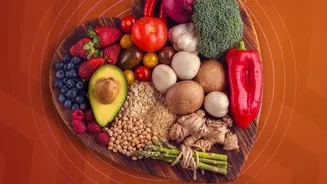
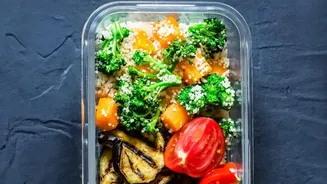
undergone basic processing like washing or trimming. However, for a product with multiple ingredients, like a cereal or sauce, the claim is more complex. It might say 'made from natural ingredients', but this doesn't guarantee it's low in sugar or healthy. The term 'natural' is not a synonym for 'sugar-free' or 'healthy'.
Know Your Daily Sugar Budget
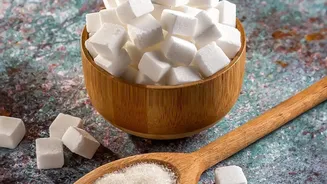
So, how much sugar is too much? Global and national health bodies offer clear advice. The World Health Organization (WHO) suggests that for optimal health, adults should limit their intake of 'free sugars' to less than 5% of their daily energy intake. For a 2,000-calorie diet, that's about 25 grams, or six teaspoons, per day. India's own guidelines from the ICMR-National Institute of Nutrition are similar, recommending that adults consume no more than 20-25 grams of added sugar daily. This budget includes sugar you add to your chai, but also the hidden sugars in packaged foods and drinks.
How to Read the Label Like a Pro
The nutrition facts label is your best tool for uncovering hidden sugars. Thanks to updated FSSAI rules, it's easier than ever. Look for the 'Carbohydrates' section. You will see 'Total Sugars' and, right below it, a line for 'Added Sugars'. This is the number you need to watch. 'Total Sugars' includes naturally occurring sugars (like lactose in milk), while 'Added Sugars' are those added during processing. As a rule of thumb, a product with 5% or less of the Daily Value (DV) for added sugar is considered low, while 20% or more is high.
Scan the Ingredient List
Next, turn to the ingredient list. Ingredients are listed in descending order by weight, so if a form of sugar is one of the first three ingredients, the product is likely high in sugar. Manufacturers often use a trick called 'ingredient splitting', using multiple different types of sugar so that no single one appears at the top of the list. If you see two or three different sugars listed—like invert sugar, corn syrup, and dextrose—add them up in your mind. Together, they might be the main ingredient.
Sugar's Many Disguises
Sugar doesn't always go by its own name. It has more than 60 aliases, making it hard to spot. A simple trick is to look for words ending in '-ose', such as sucrose (table sugar), fructose, glucose, and dextrose. But it also hides behind healthier-sounding names. Watch out for ingredients like corn syrup, agave nectar, brown rice syrup, fruit juice concentrate, maltodextrin, and even 'natural' sweeteners like honey, jaggery, and maple syrup. While these may be less refined, your body processes them as added sugar.
Common 'Healthy' Culprits
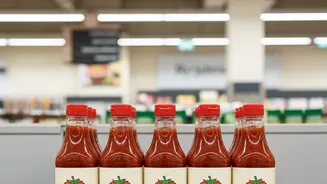
Some of the biggest sugar traps are foods we perceive as healthy. That flavoured yoghurt can have several teaspoons of sugar per serving. Many breakfast cereals and granola bars, even those promising whole grains and fibre, are loaded with sweeteners. Savoury foods are not immune either. Jarred pasta sauces, ketchup, barbecue sauce, and many salad dressings often contain a surprising amount of sugar to enhance flavour and shelf life. Even seemingly simple items like bread, packaged soups, and nut butters can have added sugars.