



A Dangerously Exposed Surface
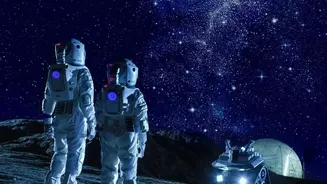
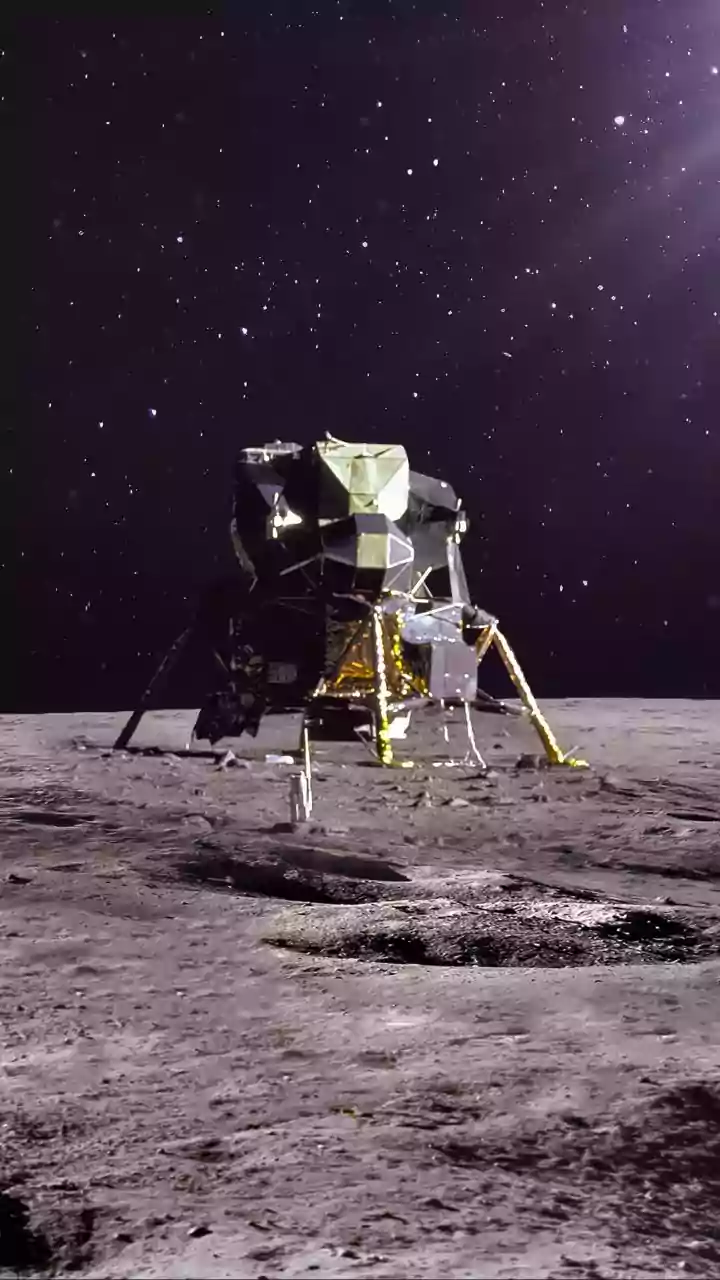
Living on the Moon isn't as simple as planting a flag. The lunar surface is one of the most hostile environments imaginable for humans. Without a protective atmosphere or magnetic field like Earth's, it's completely exposed to the harshness of space.
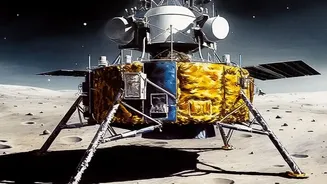
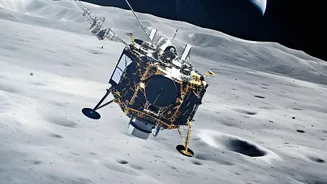
This means astronauts would face a continuous barrage of galactic cosmic rays and intense blasts of solar radiation from solar flares. This exposure dramatically increases the risk of cancer and other serious health issues. Data from China's Chang'e-4 lander confirmed that radiation levels on the Moon are 200 to 1,000 times higher than on Earth. Beyond radiation, there are micrometeoroid impacts, which can strike at incredible speeds, and wild temperature swings that go from scorching hot to freezing cold over the course of a single lunar day. Any long-term human presence would require heavy, thick-walled shelters to mitigate these dangers.
Nature’s Underground Sanctuaries
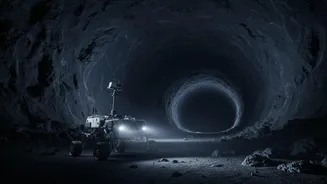
The most promising solution may have been there all along, created by the Moon's own volcanic past. Scientists are increasingly confident about the existence of vast, underground tunnels known as lava tubes. These were formed billions of years ago when the surface of molten lava rivers cooled and solidified, while the lava inside continued to flow, leaving behind huge, hollow conduits. Some of these tubes are thought to be massive, potentially hundreds of meters wide—large enough to house entire cities. The thick basalt roof of these caves, estimated to be 40 meters or more, would provide near-perfect natural shielding from radiation, micrometeorites, and extreme temperatures. Inside a lava tube, the radiation dose could drop to levels comparable to what we experience on Earth, and the temperature remains at a stable, albeit cold, -20°C.
Sending in the Robotic Scouts
While these lava tubes sound like ideal locations for a future lunar base, exploring them is a monumental challenge. The entrances, known as 'skylights,' are essentially deep pits, and the interiors are completely unknown, dark, and potentially treacherous. Sending astronauts into such a dangerous and unmapped environment first is not an option. This is where the business of robotic exploration becomes critical. Space agencies like NASA and the European Space Agency (ESA), along with private technology firms, are designing the robotic vanguard needed to scout these caves safely. These missions are tasked with determining if the tubes are structurally sound, mapping their interiors in 3D, and confirming they provide adequate protection before any human ever sets foot inside.
Designing Robots for the Dark
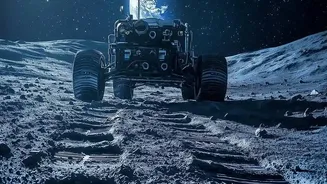
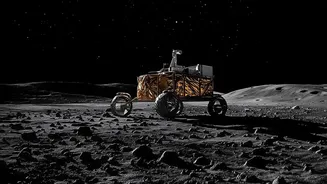
Building a robot for cave exploration is unlike designing a surface rover. These machines need to be highly autonomous, as direct radio communication is impossible deep underground. They must navigate in total darkness, relying on technologies like LiDAR to build 3D maps as they go. Several innovative concepts are in development. The ESA is evaluating a spherical robot called Daedalus, designed to be lowered into a pit on a tether before rolling off to explore on its own. Another European concept involves a team of three collaborating robots: one remains on the surface as an anchor, another rappels into the cave, and a third helps with mapping. NASA, meanwhile, has funded research into a laser-powered drone called the Lunar Underground eXplorer (LUX), which would receive energy through a fiber-optic cable from a surface rover, allowing it to explore deep caves without heavy batteries. These rovers are not just explorers; they are essential technology demonstrators, paving the way for future construction and habitation.
From Robotic Prints to Human Footprints
The data sent back by these robotic spelunkers will be foundational for the next era of space exploration. By identifying the most stable and accessible lava tubes, these missions will create a shortlist of prime real estate for the first permanent human outposts beyond Earth. Engineers envision using these verified locations to deploy inflatable habitats or have robotic builders assemble structures inside the caves before astronauts even arrive. These subterranean bases would be naturally protected, allowing scientists to live and work on the Moon for extended periods, conduct valuable research in a stable environment, and potentially access resources like water ice trapped in the cold darkness. The work of these pioneering robots is a crucial first step, transforming our view of the Moon from a desolate rock into a viable, long-term home for humanity.