



A Paradise Awakens
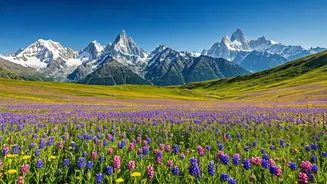
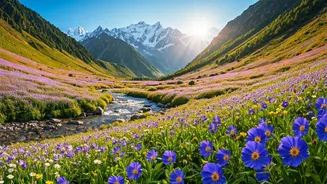
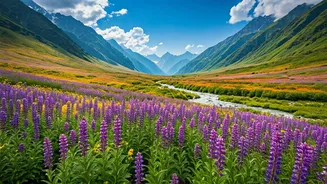
Every year, as the snows of a long Himalayan winter recede, a natural miracle unfolds. The Valley of Flowers, a UNESCO World Heritage Site in Uttarakhand, sheds its white blanket to reveal a vibrant tapestry of alpine flora. From 1 June, this breathtaking
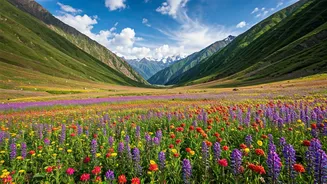
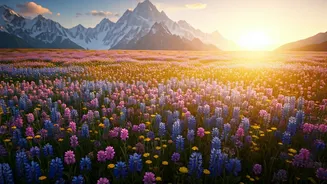
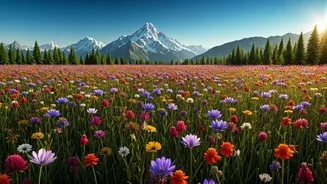
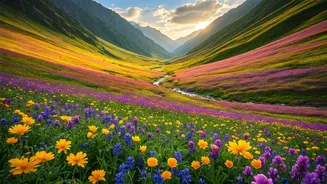
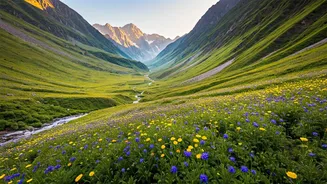
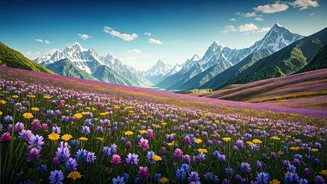
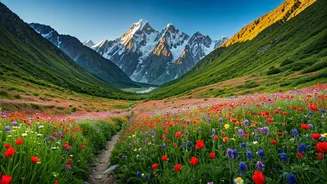
landscape is officially open to trekkers and nature lovers. For a few short months, the valley floor and its surrounding slopes become a riot of colour, home to hundreds of species of flowers, many of which are found nowhere else on Earth. Its fame isn't just hyperbole; it’s a globally recognised biodiversity hotspot that offers a rare glimpse into a pristine high-altitude ecosystem.
The Journey Is the Destination
Reaching the Valley of Flowers is an adventure in itself. The motorable road ends at Govindghat, near Joshimath. From there, the trek begins. The first leg is a 14-kilometre trail to the base camp village of Ghangaria. While ponies and porter services are available, the walk itself is a beautiful immersion into the region’s scenery, following the gushing Pushpawati River. Ghangaria serves as the hub for exploring both the Valley of Flowers and the sacred Hemkund Sahib shrine. The trek from Govindghat to Ghangaria is moderately difficult and takes most of a day, so it's crucial to start early and be prepared for a steady uphill climb.
The Main Event: The Valley Trek
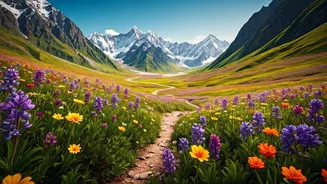
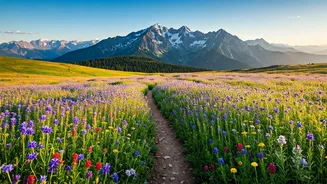
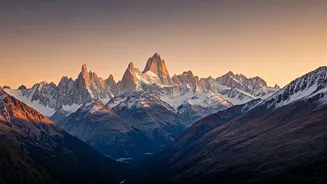
From Ghangaria, a well-defined 3-kilometre trail leads to the entrance of the valley. After paying for the entry permit from the Forest Department, you step into a different world. The valley stretches for about 10 kilometres, a vast expanse of meadows splashed with purple, yellow, red, and blue. You don’t need to be a botanist to be mesmerised. The trail inside the valley is relatively flat, allowing for easy walking as you soak in the 360-degree views of snow-capped peaks and flower-filled fields. Visitors are required to enter and exit the valley on the same day, as camping inside is strictly prohibited to preserve its fragile ecosystem.
When to Witness the Bloom
While the park opens in June, the magic truly peaks from mid-July to mid-August. This is when the monsoon showers have nourished the soil, leading to a 'peak bloom' where the maximum number of species are flowering simultaneously. Early in the season (June), you'll find lingering snow patches and early bloomers. Later in the season (September), the colours start to shift as autumn approaches, with a different but equally beautiful palette. The monsoon timing means you must be prepared for rain, but it’s this very rain that fuels the spectacle.
Essential Tips for Your Trip
Proper planning is key for this trek. Acclimatise properly in Joshimath or Ghangaria to avoid altitude sickness. Pack layers of clothing and reliable rain gear, including a waterproof jacket and pants. Sturdy, waterproof trekking shoes with good grip are non-negotiable. Carry a basic first-aid kit, personal medications, and enough cash, as digital payments are unreliable in Ghangaria. Accommodation in Ghangaria is basic, consisting of guesthouses and a GMVN tourist rest house, so book in advance during peak season. Finally, respect the environment. Do not pluck flowers, stay on the designated trails, and carry all your litter back with you.