





Choose One Corner and Go Vertical
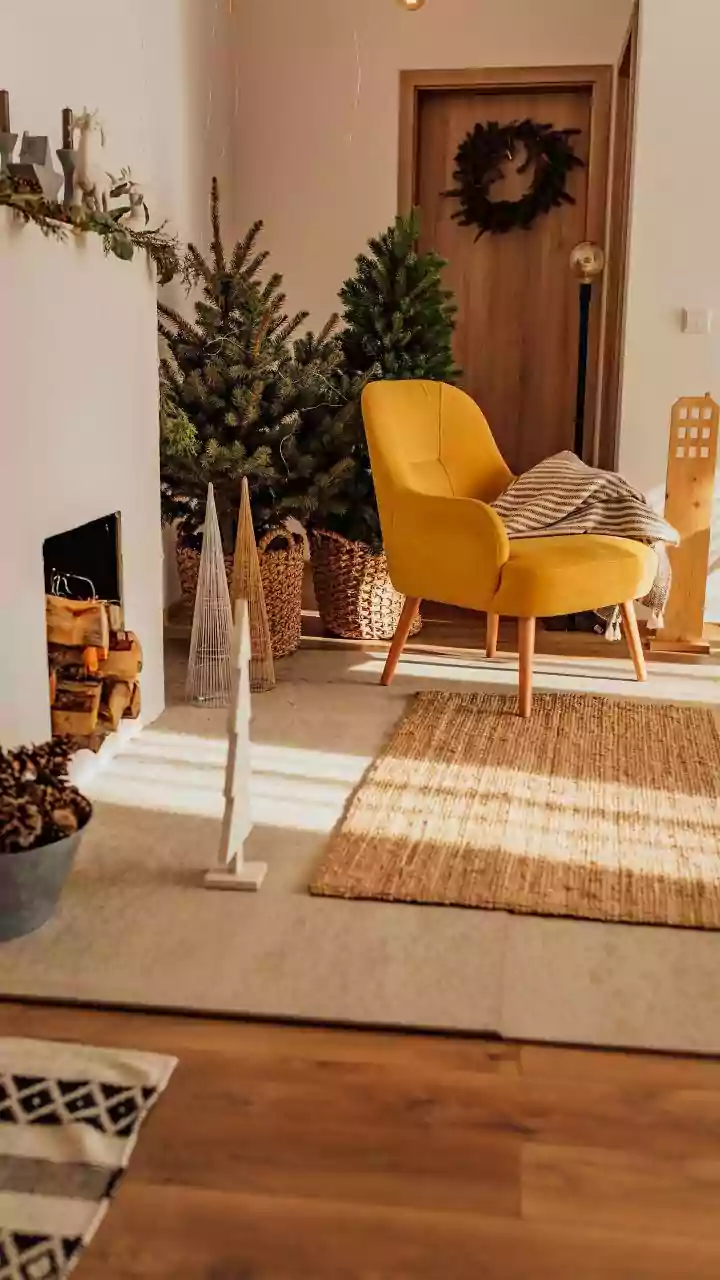
The key to decorating in a small home is to avoid cluttering floor space. Designate one clean corner for your Ganpati setup. Instead of a large, sprawling pandal, think vertically. Use the wall behind the idol as your primary canvas. This approach draws
the eye upward, creating a sense of grandeur without sacrificing precious walking area. A small stool, chowki, or even a sturdy stack of books can serve as the base, keeping the footprint minimal. By consolidating the decoration into a single, focused area, you create a powerful focal point that feels intentional and serene, not chaotic.
Rethink the Backdrop with Reusable Fabric
Forget thermocol and plastic banners that contribute to waste. Your own wardrobe holds the most elegant and sustainable solution: fabric. A beautiful silk saree, a colourful dupatta, or even a simple cotton curtain can create a stunning backdrop. These materials require no new purchases and can be easily hung on the wall, taking up zero floor space. The rich textures and colours add warmth and a traditional feel. After the festival, simply fold them away for next year or for another occasion, making this a truly zero-waste option.
Decorate with Natural and Edible Items
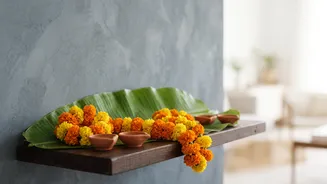
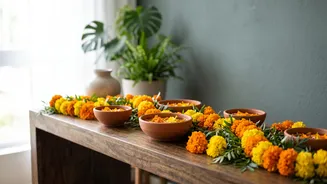
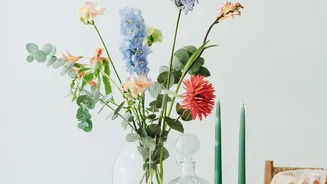
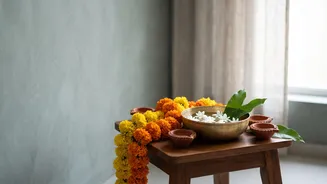
Bring nature indoors for a truly eco-friendly celebration. Fresh flowers like marigolds, hibiscus, and roses are classic choices that add fragrance and vibrancy. You can create simple garlands or a small flower rangoli at the base. Banana leaves can be used to line the platform or create a green backdrop, while mango leaves are perfect for a traditional toran. For a creative twist, consider garlands made from popcorn, puffed rice, or dried fruit, which can be composted or fed to birds later. Rangoli can be made from rice flour, turmeric, and kumkum, all of which are biodegradable kitchen staples.
Embrace Minimalism with Accent Pieces
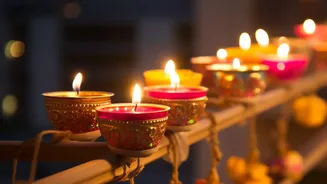
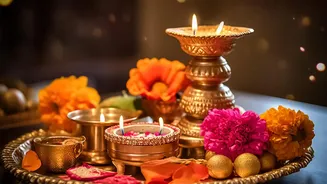
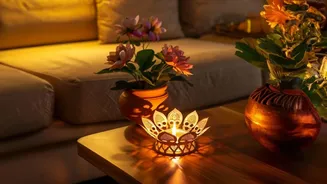
A low-waste setup doesn't mean a bare one; it means choosing your decorative items with intention. Instead of many small, disposable trinkets, opt for a few high-impact, reusable pieces. A single, elegant brass lamp or a pair of terracotta diyas can provide beautiful, warm light. Move a couple of your existing potted plants near the setup to add life and greenery without buying cut foliage. Hand-painted matkas or reusable clay pots can be used as accents. The goal is to create a layered, thoughtful look where each element has a purpose and can be used for years to come.
Light with Purpose, Not Excess
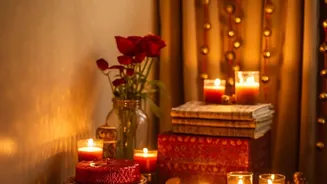
Lighting is crucial for creating a festive atmosphere, but it doesn't have to be overwhelming. Instead of covering every surface with lights, focus the illumination on the idol and the immediate backdrop. A single string of warm LED fairy lights is energy-efficient and can be reused for countless festivals. Traditional clay diyas offer a warm, natural glow that is hard to replicate. Using fewer, well-placed lights creates a more divine and peaceful ambiance than a brightly lit, visually noisy space. This focused approach also helps conserve energy.
Start with a Sustainable Idol
While decorations are important, the most significant step towards a low-waste celebration is choosing an eco-friendly Ganesha idol. Opt for one made from natural Shadu clay (mitti), which dissolves easily in water and doesn't harm marine ecosystems. Ensure that any paints used are natural and non-toxic, such as those made from turmeric or beetroot. A smaller idol is often easier to manage, especially for home immersion in a bucket or tub, completing the sustainable cycle of the festival.