





First, Why Does Fibre Matter?
Dietary fibre is a plant-based carbohydrate that plays a vital role in our health. It's best known for promoting regular bowel movements and preventing constipation. But its benefits go much further. A high-fibre diet can help you maintain a healthy weight
by making you feel fuller for longer. It also aids in controlling blood sugar levels, lowering cholesterol, and reducing the risk of heart disease. The Indian Council of Medical Research (ICMR) recommends that adults consume about 25-30 grams of fibre daily, but studies show many urban Indians get only about half of that. These simple swaps can help close that gap effortlessly.
Swap White Bread for Whole-Wheat Roti or Bread
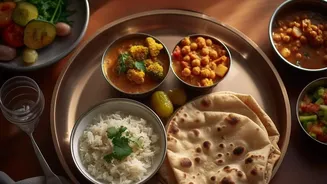
This is one of the easiest and most impactful changes you can make. Refined white flour (maida), used in white bread and naan, has its fibrous bran and germ removed. Whole-wheat flour (atta) keeps these parts intact. A single slice of whole-wheat bread contains nearly two grams of fibre, more than double the amount in a slice of white bread. Making your daily rotis with whole-wheat or multigrain atta instead of refined flour is a traditional and effective way to increase your fibre intake. If you buy bread, check the label for '100% whole wheat' to ensure you're getting the maximum benefit.
Choose Brown Rice Over Polished White Rice
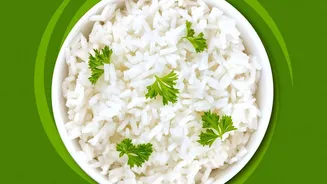
Similar to bread, the difference between brown and white rice lies in the processing. White rice is polished, which strips away the bran and, with it, most of the fibre. A cup of cooked brown rice contains about 3.5 grams of fibre, whereas the same amount of white rice has less than one gram. While the calorie difference is minimal, the fibre and nutrient boost from brown rice is significant. It also has a lower glycemic index, meaning it raises blood sugar more slowly. If the taste of brown rice is too different, start by mixing it half-and-half with white rice to ease into the change.
Add Legumes to Your Curries and Salads
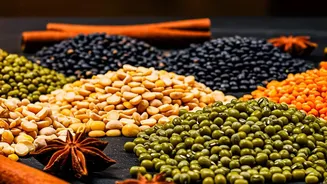
Lentils (dals), chickpeas (chana), and kidney beans (rajma) are the backbone of Indian cuisine and are fibre powerhouses. A single cup of cooked rajma can provide around 11 grams of fibre. Simply including a dal with your lunch or dinner is a huge step. You can also get creative by adding boiled chickpeas to your salads, making a sprouted moong salad for a snack, or mixing lentils into your vegetable curries. These not only add fibre but also provide a substantial protein boost, keeping you satisfied for longer.
Snack on Whole Fruits, Not Juices
While fruit juice might seem like a healthy option, the juicing process removes most of the beneficial fibre. Eating a whole fruit gives you all the vitamins, minerals, and fibre that nature intended. For example, a whole guava contains a massive 9 grams of fibre, which is nearly a third of your daily requirement. Other high-fibre options readily available in India include apples, papayas, and bananas. Instead of a glass of juice in the morning, have a whole fruit. For a snack, a handful of roasted chana or makhana are also excellent high-fibre choices.
Incorporate Millets into Your Meals
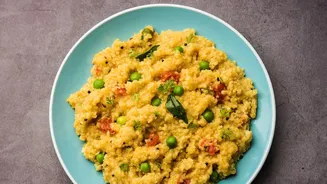
Millets like jowar (sorghum), bajra (pearl millet), and ragi (finger millet) are ancient grains that are making a well-deserved comeback. They are naturally high in fibre and packed with nutrients. You can easily incorporate them into your diet by making rotis from jowar or bajra flour, which is a common practice in many parts of India. You can also make porridge or upma with foxtail millet or ragi, swapping out refined semolina (suji) or rice. These grains are not only good for digestion but also help in managing blood sugar levels.