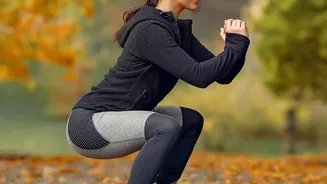









Ease Back In: Start Slow to Go Far
After a season of reduced activity or indoor-only workouts, your body needs time to readjust. Jumping back into your old routine at full intensity is a common mistake that can lead to muscle strains, joint pain, or burnout. A period of inactivity can weaken
muscles and reduce joint stability, making you more susceptible to injury. Begin by aiming for shorter, less intense sessions. If you were a 5k runner, start with a 2k walk or light jog. The key is gradual progression. A good guideline is the 10% rule: increase your workout duration or intensity by no more than 10% each week to allow your body to adapt safely. This slow and steady re-entry builds a solid foundation for a sustainable routine.
Mind the Post-Monsoon Conditions
October doesn't bring instant cool, dry weather. Post-monsoon conditions often include high humidity, which can make exercise feel much harder. When humidity is high, your sweat doesn't evaporate as efficiently, making it more difficult for your body to cool down. This increases the risk of fatigue and heat stress. To combat this, try exercising during the cooler parts of the day, like the early morning or later in the evening. Also, be cautious of your surroundings. Pavements and trails may still be slippery or waterlogged, so choose your route carefully and wear footwear with a good grip to prevent falls.
Gear Up for Humidity and Warmth
Your workout gear can make a significant difference in comfort and safety. Heavy cottons that trap sweat are a poor choice for humid conditions. Instead, opt for lightweight, breathable, and moisture-wicking fabrics that pull sweat away from your skin, allowing it to evaporate more easily. This helps regulate your body temperature and prevents the uncomfortable, sticky feeling of a sweat-soaked shirt. Light-coloured clothing is also a wise choice as it reflects rather than absorbs sunlight. If you have long hair, tying it back will also help you stay cooler.
Hydration Is More Than Just Water
It’s a common myth that you don't need to hydrate as much when it's not scorching hot. However, high humidity can cause significant fluid loss through sweat, even if you don't feel as thirsty. Dehydration can lead to dizziness, fatigue, and muscle cramps. It is crucial to drink water before, during, and after your workout. As a general guide, try to drink about half a litre of water a couple of hours before you start. For longer or more intense workouts in the humidity, consider an electrolyte drink to replenish the salts and minerals lost through sweat.
Choose Your Outdoor Adventure
The end of the monsoon opens up a world of outdoor possibilities. This is a great chance to find an activity you truly enjoy, which is key to staying consistent. Trail running or hiking on newly green paths can improve balance and is often easier on the joints than running on pavement. Cycling is another excellent low-impact cardio option that lets you explore your surroundings. You could also take your yoga mat to a local park for a session in the fresh air. Even simple activities like a brisk walk in nature can significantly boost your physical and mental well-being.
Listen to Your Body and Prioritise Recovery
As you get back into the swing of things, pay close attention to the signals your body is sending. While some muscle soreness is normal after a break, sharp or persistent pain is not. Don't ignore these signals; they are your body's way of telling you to slow down or rest. Adequate recovery is just as important as the workout itself. Ensure you get enough sleep, as this is when your muscles repair and rebuild. Incorporating stretching and mobility exercises into your routine can also help improve flexibility and prevent common injuries related to tight muscles and joints.