







Hoh Rainforest, Washington
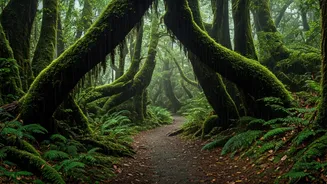
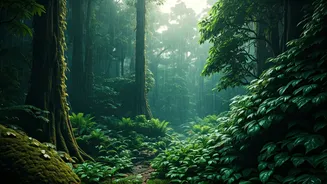
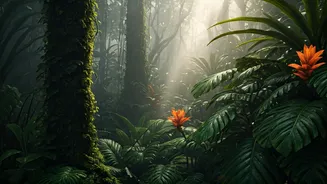
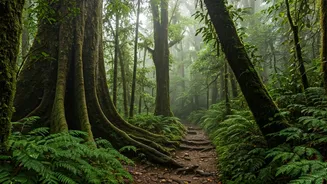
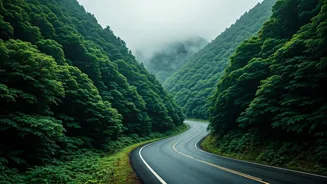
This isn't just a forest that gets rain; it's a forest born from it. Located within Olympic National Park, the Hoh is one of the largest temperate rainforests in the U.S., receiving an average of 12 feet of precipitation annually. While summer brings
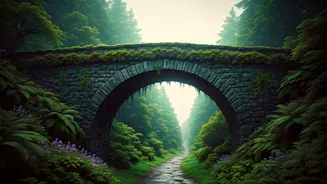
crowds, the wetter seasons—fall, winter, and spring—are when the Hoh truly comes alive. The rain saturates every surface, deepening the emerald green of the mosses that drape Sitka spruce and western hemlock trees. The forest floor, covered in ferns and lichen, becomes a vibrant, sound-absorbing carpet. The air grows heavy with the smell of damp earth and decaying leaves, a scent known as petrichor. Under the canopy, the steady drum of raindrops provides a meditative soundtrack, turning a simple hike into an immersive, sensory experience. Here, you don't just endure the rain; you witness the very process that gives the landscape its enchanting, primeval character.
Great Smoky Mountains National Park, Tennessee/North Carolina
The “smoke” that gives this iconic range its name is a blueish haze created by vapor and natural compounds released by the dense vegetation. After a good rain, this effect is amplified tenfold. Low-hanging clouds and fog weave through the valleys and cling to the peaks, creating mystical, layered vistas that look like a watercolor painting. The rainy seasons of spring and fall are particularly magical. Spring showers fuel an explosion of wildflowers, while autumn rains intensify the earthy scent of fallen leaves. More importantly, the park’s many waterfalls, like Laurel Falls and Grotto Falls, which can slow to a trickle in dry summer months, are transformed into roaring, powerful cascades. The sound of rushing water echoes through the hollows, and the trails, often less crowded, offer a sense of solitude and intimacy with the ancient landscape.
The Columbia River Gorge, Oregon
Straddling the border of Oregon and Washington, the Columbia River Gorge is home to the highest concentration of waterfalls in North America. While stunning year-round, the area’s true power is unleashed during the rainy spring and fall. This is when landmark falls like Multnomah, Latourell, and Wahkeena are at their thunderous peak, sending plumes of mist across viewpoints. The rain doesn't just feed the falls; it paints the entire landscape. Basalt cliffs, normally stark and gray, become streaked with black and glisten under a coat of water. The moss covering rocks and trees glows with an almost fluorescent green. A hike along the Historic Columbia River Highway State Trail during a light shower is a quintessential Pacific Northwest experience, where the cool, damp air feels refreshing and the world seems washed clean, vibrant, and intensely alive.
The Florida Everglades, Florida
Most tourists flock to the Everglades during the dry, mild winter. But to see this unique ecosystem at its most dynamic, you have to embrace the wet season. From roughly May to November, daily afternoon thunderstorms roll in, dumping inches of rain that replenish the “River of Grass.” This is the season of abundance. The landscape, parched and brown in winter, turns into a lush, green wilderness. Water levels rise, allowing alligators, turtles, and fish to disperse throughout the wetlands, making for spectacular wildlife viewing from an airboat or kayak. The dramatic cloud formations of an approaching storm create breathtaking skies, and the rain itself provides a welcome, if temporary, respite from the formidable humidity. For the adventurous traveler, the wet season offers a look at the Everglades in its most raw and powerful state—a world teeming with life, driven by the cycle of water.