






Understanding the Bharat Brand Initiative
The 'Bharat' brand is a Central Government initiative designed to provide essential food items to the public at controlled, affordable prices. First launched in 2023, the scheme aims to act as a market intervention tool to curb food price inflation and ensure
that staples like flour, rice, and pulses remain accessible to everyday consumers. After a temporary halt, the government has decided to resume the sale of Bharat Atta and Bharat Rice, especially with the festive season approaching, a time when demand and prices typically rise. The latest allocation under the Open Market Sale Scheme (Domestic) Policy for 2026-27 signals a renewed effort to stabilize household budgets against rising food costs. The program is not a permanent subsidy but a periodic measure deployed when market prices for essential commodities show significant volatility.
A Closer Look at Bharat Atta
Bharat Atta is whole wheat flour sold at a government-fixed Maximum Retail Price (MRP). For the 2026-27 policy period, the price has been set at ₹32 per kg. This move comes after atta prices saw a noticeable increase in the past month, making the subsidised option a welcome relief for many households. The government supports the pricing through the Price Stabilization Fund (PSF), ensuring the rate remains low for consumers. Bharat Atta is typically sold in standardised packs, with 10 kg bags being the most common format available to buyers. The primary goal is to provide a significantly cheaper alternative to other branded and unbranded flours in the retail market, which often sell for much higher prices.
Details on the Newly Allocated Bharat Rice
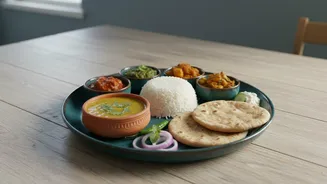
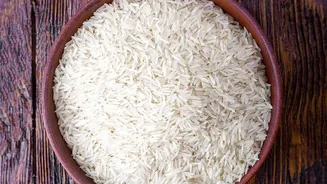
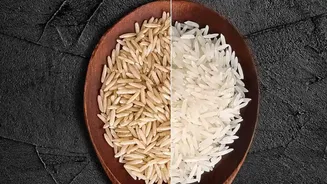
Similar to the atta, Bharat Rice is being made available to counter rising grain prices in the open market. Following the fresh allocation, the government has set a tiered pricing structure. For 5 kg and 10 kg packs, the MRP is fixed at ₹35 per kg until October 31, 2026. From November 1, 2026, the price for these packs will see a slight increase to ₹36 per kg. For consumers looking to buy in larger quantities, a 30 kg pack is also available at a lower rate of ₹33 per kg, which will adjust to ₹34 per kg from November onwards. The government has allocated 300,000 metric tonnes of rice for this initiative, a significant volume intended to bolster supply and keep prices in check.
Price and Pack Size: A Direct Comparison
When deciding between the two staples, the key differences lie in pricing per kilogram and the available packaging options. Bharat Atta offers a straightforward pricing model at a fixed ₹32 per kg, primarily available in 10 kg bags. This makes bulk purchasing simple and predictable. Bharat Rice, on the other hand, provides more flexibility in both price and size. It is slightly more expensive per kilogram, starting at ₹35/kg for the popular 5 kg and 10 kg packs. However, it offers a small discount for those purchasing the larger 30 kg pack. While atta is sold at a single price point for the policy year, the price of rice is scheduled for a minor revision late in the year. Both are priced substantially lower than their market counterparts, fulfilling the scheme's core objective.
Where to Buy Bharat Brand Staples
The distribution of Bharat Atta and Bharat Rice is handled through a network of central cooperative agencies. Consumers can find these products at the physical outlets of NAFED, NCCF, and Kendriya Bhandar. To improve accessibility, the government also deploys mobile vans in various cities to sell these staples directly to the public in residential areas. In addition to these channels, the plan includes making Bharat brand products available on major e-commerce platforms, allowing consumers to order them online for home delivery. Before the new stock is released, agencies are required to certify that all inventory from the previous policy period has been sold, ensuring only the newly priced products are available.