
The Two Types of Dietary Iron
Before diving into the solution, it’s important to understand the problem. Iron in our diet comes in two forms: heme and non-heme. Heme iron, found in animal products like meat, poultry, and fish, is readily absorbed by the body. Its absorption rate is relatively
high, ranging from 15% to 35%. Non-heme iron, on the other hand, is the type found in plant-based foods such as lentils, beans, spinach, tofu, and fortified cereals. While abundant, non-heme iron has a much lower bioavailability, meaning our bodies find it harder to absorb. Its absorption rate can be as low as 2% and is highly influenced by other foods you eat at the same time.
Vitamin C to the Rescue
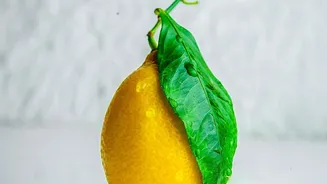
This is where lemon, and more specifically its high vitamin C content, comes into play. Vitamin C, or ascorbic acid, is a potent enhancer of non-heme iron absorption. Its power lies in its ability to chemically change the iron into a form that's much easier for your intestines to take up. Essentially, the vitamin C in lemon converts the less-absorbable ferric iron (Fe³⁺) from plants into the more soluble and absorbable ferrous iron (Fe²⁺). Studies have shown this effect to be significant, with some research indicating that adding a source of vitamin C to a meal can increase non-heme iron absorption by several times.
Putting It Into Practice: Smart Pairings
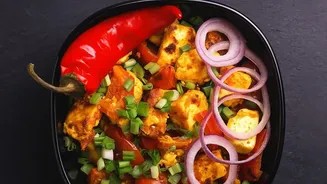
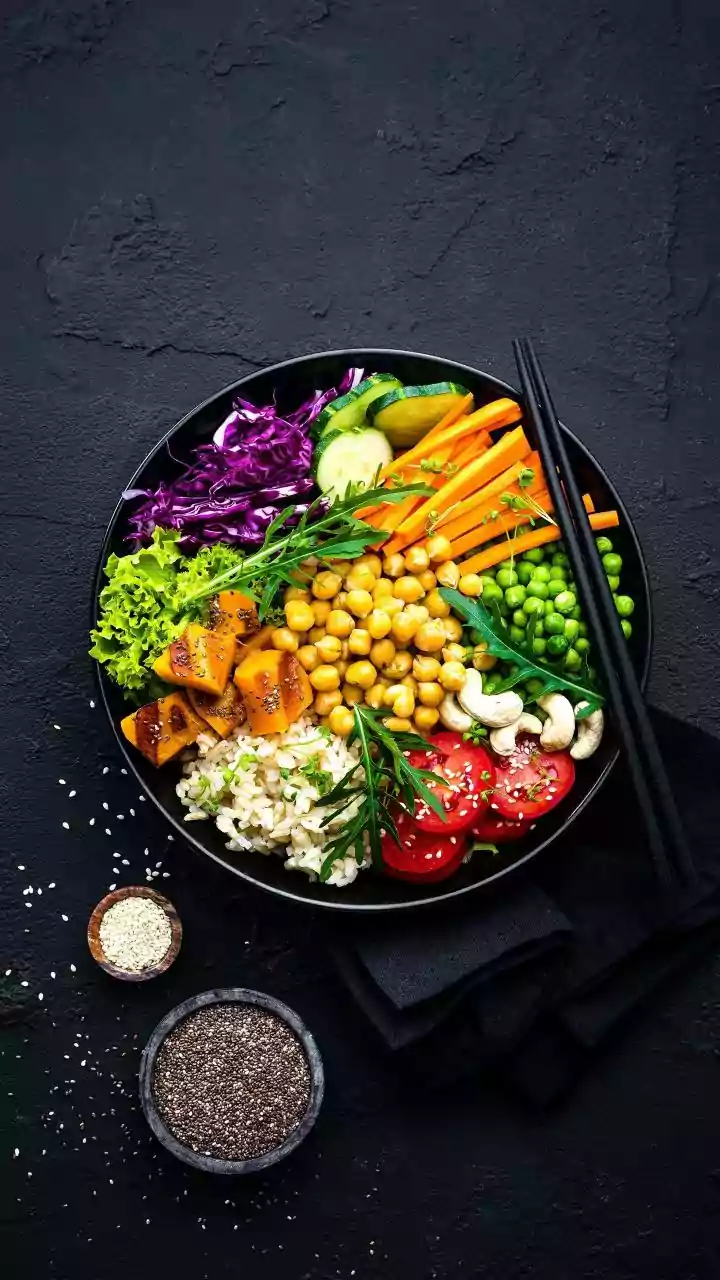
The science is clear, but the practical application is even simpler. The goal is to combine your plant-based protein and iron sources with a food rich in vitamin C in the same meal. A squeeze of fresh lemon juice is an incredibly easy way to achieve this. Consider a hearty lentil soup; finishing it with a spritz of lemon not only brightens the flavour but also unlocks more of its iron. A spinach salad, which contains compounds that can actually inhibit iron absorption, benefits immensely from a lemon-based vinaigrette. The same principle applies to a tofu stir-fry; adding lemon juice or vitamin C-rich vegetables like bell peppers works wonders. Even a simple snack of hummus and pita can be enhanced by incorporating lemon into the hummus recipe.
Beyond the Lemon
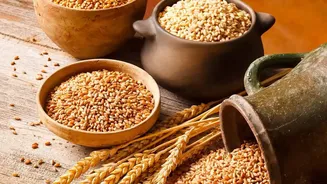
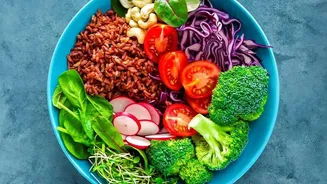
While lemon is a fantastic and versatile option, it's not the only source of vitamin C. To maximize your iron uptake, you can incorporate a wide variety of other fruits and vegetables into your meals. Red bell peppers, broccoli, tomatoes, kiwi, oranges, and strawberries are all excellent sources of vitamin C. For example, adding tomato chutney to a wheat-based meal or having a side of steamed broccoli with your bean-and-rice bowl are effective strategies. The key is consistency and ensuring that your iron-rich plant foods are seldom eaten alone. Always think about what vitamin C-rich companion you can add to the plate.
What to Watch Out For
Just as some foods enhance iron absorption, others can inhibit it. Compounds called phytates, found in whole grains and legumes, and polyphenols, like the tannins in tea and coffee, can significantly reduce your body's ability to absorb non-heme iron. Calcium from dairy products can also interfere. This doesn't mean you should avoid these healthy foods, but rather be strategic about when you consume them. Try to avoid drinking tea or coffee with your iron-rich meals; save them for an hour or two before or after. By consciously pairing enhancers like lemon and other vitamin C sources while being mindful of inhibitors, you create the best possible environment for your body to get the iron it needs.