








From Impulse Orders to Daily Rituals
The role of food delivery apps has undergone a fundamental shift in Indian households. What started as a convenient way to access restaurant food has morphed into a daily utility for millions. Busy work schedules, dual-income families, and the sheer convenience
of a tap have made these apps indispensable. Studies show a significant rise in dependence on these platforms, with many urban users integrating them into their daily meal cycles. This isn't just about ordering dinner anymore; it's about outsourcing the entire mental load of 'what to eat today?' for breakfast, lunch, and dinner. The apps have become a silent, ever-present kitchen assistant that never gets tired.
The Planner in Your Pocket
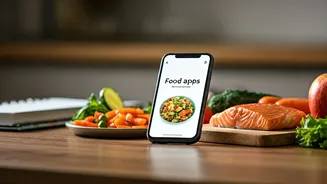
Leading platforms like Zomato and Swiggy have moved far beyond the simple 'search and order' model. They are now packed with features designed for planning. Both apps now offer order scheduling, allowing users to pre-book meals hours or even days in advance. This feature caters to those who want to ensure their lunch arrives right on time during a busy workday or plan a family dinner for the next day without last-minute stress. Furthermore, subscription models are making a significant impact. Zomato recently launched 'Healthy Subscriptions', which allows users to subscribe to curated meal plans for periods of 3, 5, or 15 days, ensuring a steady supply of planned, healthy meals. This evolution marks a clear transition from providing a one-time service to managing a customer's entire food schedule.
More Than Just Restaurant Food
The ecosystem has expanded vertically. The same apps that deliver restaurant meals can now bring you groceries in minutes through services like Swiggy Instamart and Zomato's Blinkit. This integration is a game-changer for home cooks. You can be planning a meal, realise you're missing an ingredient, and have it delivered before you've even finished chopping the onions. For those who still want to cook but hate the planning, a new generation of Indian-centric meal planning apps like PlanNEat is emerging. These apps are designed for Indian kitchens, helping users create weekly menus from a vast database of regional dishes and automatically generating grocery lists, taking the guesswork out of home cooking.
Health, Wellness and AI
As users become more health-conscious, food apps are adapting. There is a growing array of services focused on nutritional tracking and healthy eating. Apps like HealthifyMe have built massive databases of Indian dishes to provide accurate calorie and nutrient tracking. Zomato and Swiggy have also introduced dedicated 'Healthy' sections and curated collections that highlight high-protein or low-calorie meals. Zomato's 'Healthy Mode' even provides AI-generated nutritional scores for dishes, helping users make informed choices. This move into wellness shows that apps aren't just selling convenience; they are positioning themselves as partners in their users' health journeys, for better or worse.
The Social and Financial Impact
This deep integration is not without consequences. While incredibly convenient, the increased reliance on delivered meals has been linked to a reduction in home-cooking frequency and potential health risks associated with ultra-processed foods. Studies note that regular users may see an increase in caloric intake and a decrease in dietary diversity. Financially, while apps provide discounts, the cumulative cost of daily ordering can significantly impact household budgets, shifting expenditure from groceries to online food services. The challenge for the modern consumer is to navigate this new landscape, harnessing the convenience of these powerful tools without falling into the traps of dependency, unhealthy habits, or unplanned spending.