


Your Free Outdoor Gym
Forget expensive gym memberships. The simple structures at a community park offer a surprisingly versatile setup for a full-body workout. Training outdoors provides a host of benefits that go beyond simple exercise. Exposure to sunlight boosts your body's
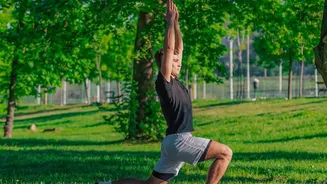
vitamin D production, which is essential for bone health and immune function. Plus, the fresh air and change of scenery can reduce stress and improve your mood, making exercise feel less like a chore and more like play. Research also suggests that training on varied, uneven surfaces, like grass or trails, can improve balance and coordination. Bodyweight training, or calisthenics, is a highly effective way to build functional strength, and playgrounds are the perfect place to do it.
Safety and Park Etiquette
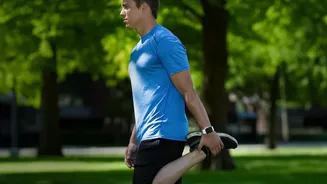
Before you start your workout, a few simple checks will ensure a safe and respectful session. First, inspect the equipment. Make sure bars are dry and secure, and that the ground surface is safe. The best playgrounds have shock-absorbing surfaces like wood chips, mulch, or rubber mats instead of concrete. Always warm up with light cardio, like jogging or jumping jacks, to prepare your muscles for exercise. Most importantly, be mindful of the playground's primary users: children. Avoid working out during peak hours when kids are playing. If the equipment is in use, wait your turn or find an alternative. It's about sharing the space and setting a positive example.
The Core Playground Workout
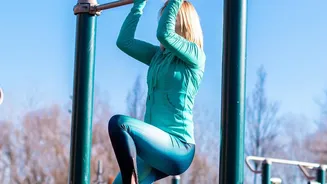
Here are six fundamental exercises that create a balanced, full-body routine using common playground equipment. Aim for control and proper form over speed or high repetitions. 1. Pull-Ups or Inverted Rows: Use a sturdy horizontal bar. For a standard pull-up, grip the bar with hands shoulder-width apart and pull your chin above it. If that's too difficult, find a lower bar for inverted rows. Lie underneath it, grab the bar, and pull your chest towards it while keeping your body straight. 2. Dips: Parallel bars are perfect for this. Support yourself with straight arms, then lower your body until your shoulders are just below your elbows before pushing back up. This is excellent for your chest, shoulders, and triceps. 3. Incline and Decline Push-Ups: A park bench is your best friend here. For an easier variation, place your hands on the bench and your feet on the ground (incline push-up). To make it harder, put your feet on the bench and your hands on the ground (decline push-up). 4. Box Jumps: Find a sturdy platform or low bench. From a standing position, jump onto the surface, landing softly with your knees bent. Step back down to complete one rep. This is a powerful lower-body exercise. 5. Bulgarian Split Squats: Place the top of one foot on a bench behind you and position your front foot forward. Lower yourself down until your front thigh is parallel to the ground. This targets your quads and glutes while improving balance. 6. Hanging Leg Raises: Hang from a high bar and, keeping your legs straight, raise them until they are parallel to the ground. This is a fantastic core-strengthening exercise.
Building Your Routine
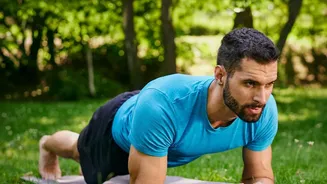
How you structure these exercises depends on your fitness level. Here are two sample plans to get you started. Remember to rest for 60-90 seconds between sets. Beginner Routine (Focus on Form): Inverted Rows: 3 sets of 8-10 reps Incline Push-Ups: 3 sets of 10-12 reps Bodyweight Squats (on flat ground): 3 sets of 15 reps Plank (on flat ground): 3 sets, hold for 30 seconds Intermediate Routine (Full Circuit): Perform each exercise back-to-back with minimal rest to create a circuit. Complete the entire circuit 3 times. Pull-Ups: As many reps as possible Dips: 8-12 reps Decline Push-Ups: 10-15 reps Box Jumps: 10 reps Bulgarian Split Squats: 10 reps per leg Hanging Leg Raises: 10-15 reps